Description
Specifications Table
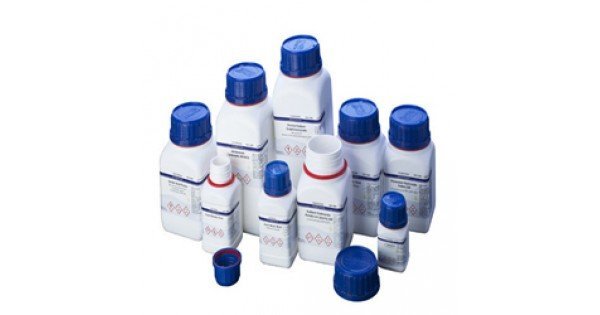
Product Name – BARIUM CHLORIDE DIHYDRATE 99% Extra Pure
Quantity/Pack Size – 500 g, 1000 g, 5000 g
Form – Crystalline Powder
Grade – Extra Pure (99%)
Application – Chemical synthesis, precipitation reactions, analytical testing
Product Overview
Barium chloride dihydrate (BaCl₂·2H₂O) is a high-purity, water-soluble inorganic compound widely used in laboratory settings for its reliable reactivity and stability. This 99% extra pure grade ensures minimal impurities, making it suitable for applications requiring precise stoichiometry, such as precipitation reactions and gravimetric analysis. The dihydrate form provides consistent hydration levels, enhancing solubility and ease of handling. Its crystalline structure allows for accurate weighing and dissolution, while the extra pure grade guarantees reproducibility in experimental results. The compound is non-hygroscopic under standard conditions, ensuring long-term stability when stored properly. Compatible with most aqueous solutions, it serves as a key reagent in qualitative and quantitative chemical testing. Whether used in small-scale experiments or bulk preparations, this barium chloride dihydrate delivers consistent performance for critical laboratory procedures.
FAQs
1. What is the solubility of barium chloride dihydrate in water?
Barium chloride dihydrate is highly soluble in water, with a solubility of approximately 358 g/L at 20°C, forming a clear, colorless solution.
2. Can this compound be used for preparing barium sulfate precipitates?
Yes, it is commonly used to prepare barium sulfate precipitates by reacting with sulfate ions, making it useful in gravimetric analysis.
3. Is this product compatible with organic solvents?
Barium chloride dihydrate has limited solubility in organic solvents like ethanol but dissolves readily in water and methanol.
4. How should this chemical be stored for long-term use?
Store in a tightly sealed container in a cool, dry place, away from moisture and incompatible substances like strong acids.
5. What alternatives exist for barium chloride dihydrate?
Alternatives include barium nitrate or barium hydroxide, though their solubility and reactivity differ based on the application.