Description
Specifications Table
Product Name – BARRITT’S REAGENT ‘A’ FOR VP TEST
Quantity/Pack Size – 125 ml
Form – Liquid
Grade – Laboratory Grade
Application – Voges-Proskauer (VP) test for biochemical analysis
Product Overview
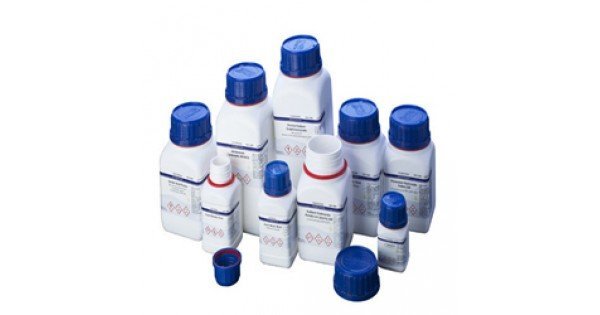
Barritt’s Reagent A is a specialized laboratory reagent formulated for the Voges-Proskauer (VP) test, a critical biochemical assay used to differentiate bacterial species based on their metabolic byproducts. This high-purity solution contains alpha-naphthol dissolved in absolute ethanol, ensuring stability and consistent performance in microbial identification protocols. The reagent is designed to react with acetoin—a neutral end product of glucose fermentation—producing a distinct red coloration in the presence of potassium hydroxide (Reagent B) and atmospheric oxygen. Its laboratory-grade purity minimizes interference, guaranteeing reliable results for research, diagnostic, and educational applications. The 125 ml pack size offers an optimal balance between sufficient volume for repeated testing and compact storage, making it ideal for labs with moderate throughput. Store the reagent in a cool, dark place in a tightly sealed container to prevent evaporation and oxidation, which could compromise its efficacy. Compatibility with standard VP test protocols ensures seamless integration into existing workflows, while its stable shelf life reduces the need for frequent replacements. For best results, always use fresh reagent and follow established procedural guidelines to maintain accuracy in microbial characterization.
FAQs
1. What is the shelf life of Barritt’s Reagent A for VP test?
The reagent typically retains stability for 12–24 months when stored unopened in a cool, dark environment. Once opened, use within 6 months for optimal performance, as exposure to air and light accelerates degradation of alpha-naphthol.
2. Can this reagent be used with automated VP test systems?
Barritt’s Reagent A is compatible with manual VP test protocols. For automated systems, verify the manufacturer’s specifications, as some platforms may require pre-diluted or modified formulations to prevent instrument clogging or sensor interference.
3. What precautions should be taken while handling this reagent?
Alpha-naphthol is toxic and irritating to skin and mucous membranes. Always wear nitrile gloves, safety goggles, and a lab coat when handling. Work in a fume hood to avoid inhaling vapors, and dispose of waste according to local hazardous chemical regulations.
4. How does the color development time vary with different bacterial strains?
Color intensity and development time (typically 15–60 minutes) depend on the acetoin concentration produced by the strain. Strong acetoin producers like *Enterobacter* may show rapid red coloration, while weaker producers (e.g., some *Klebsiella* spp.) require longer incubation.
5. Is there a substitute for Barritt’s Reagent A in VP testing?
While no direct substitute exists for the alpha-naphthol component, some protocols use Kovacs’ reagent (for indole testing) as a comparative control. However, Kovacs’ reagent lacks the specificity for acetoin detection and will not yield valid VP test results. Always use Reagent A as specified.