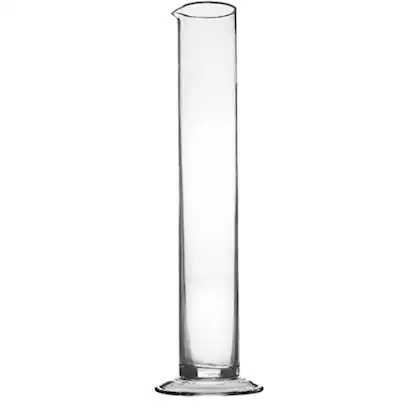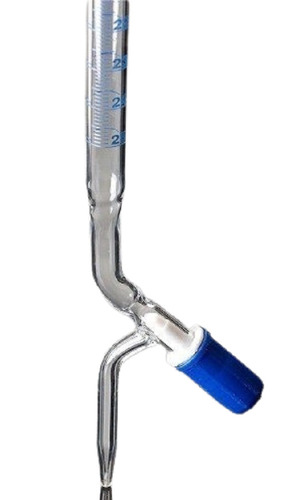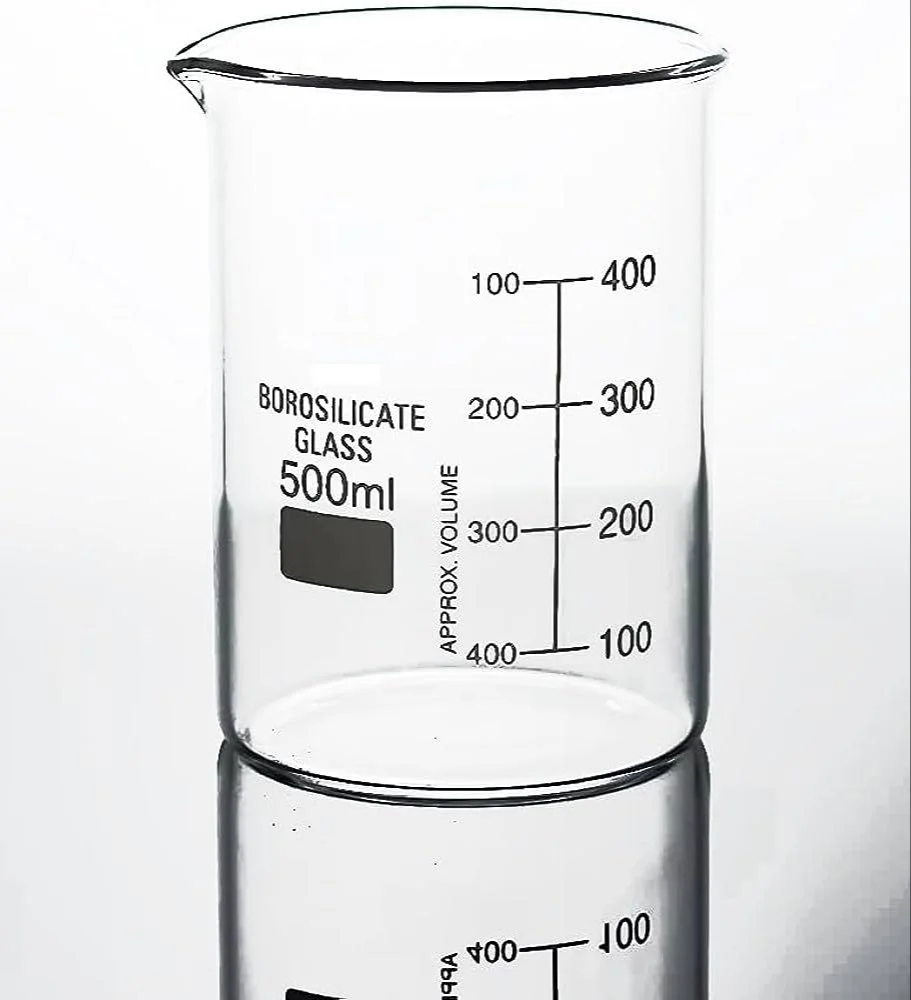
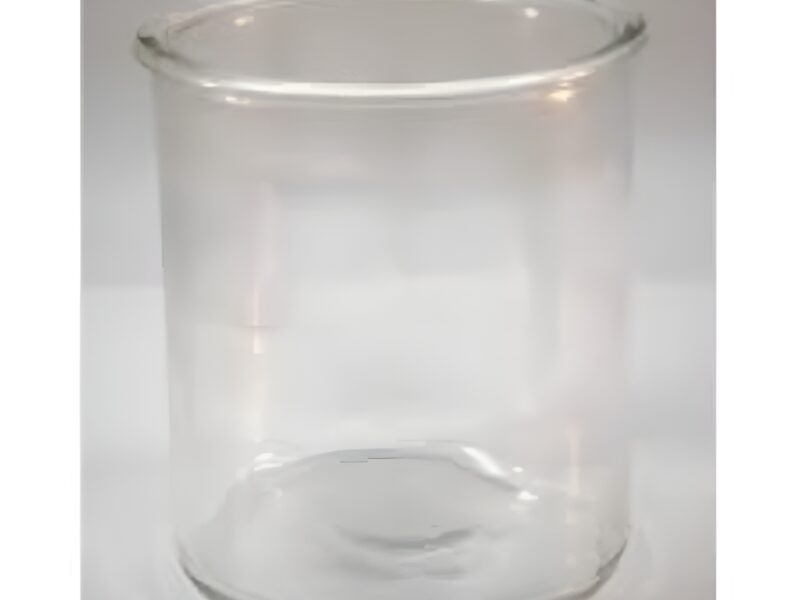
BEAKER LOW FORM WITH SPOUT (BOROSILICATE GLASS)

BEAKER LOW FORM WITH SPOUT (BOROSILICATE GLASS)

Robust vertical autoclave for effective sterilization using high-pressure steam. Ideal for decontaminating lab instruments, media, and waste, ensuring a sterile environment.

Original price was: ₹368,000.00.Current price is: ₹312,800.00.

Specifications Table

Product Name – Autoclave (Vertical)

Form – Vertical Unit

Grade – Laboratory Grade

Application – Sterilization of Media, Instruments, Glassware, Waste Decontamination

Product Overview

The eqipped Vertical Autoclave is an essential and highly effective sterilization unit designed to meet the rigorous demands of modern laboratories. Utilizing high-pressure saturated steam, this autoclave ensures complete destruction of all microorganisms, including bacteria, viruses, fungi, and spores, providing unparalleled decontamination of laboratory instruments, glassware, culture media, and biological waste. Its vertical design offers a compact footprint, making it suitable for labs with limited bench space, while still providing ample chamber capacity. Equipped with an intuitive digital control panel, users can easily program sterilization cycles, including temperature, pressure, and time, ensuring precise and reproducible results. Safety is paramount, with features such as an automatic pressure release valve, over-temperature protection, and a door interlock system that prevents opening until the chamber is depressurized. The robust stainless steel construction of both the inner chamber and outer casing ensures durability, corrosion resistance, and ease of cleaning, contributing to a long service life. The efficient heating system rapidly reaches and maintains sterilization temperatures, optimizing cycle times and enhancing laboratory throughput. This vertical autoclave is indispensable for microbiology, biotechnology, pharmaceutical, and healthcare facilities, delivering reliable, consistent, and safe sterilization for critical laboratory operations, ensuring a sterile environment and preventing cross-contamination.

FAQs

1. What is the principle behind autoclave sterilization?

Autoclave sterilization works by using high-pressure saturated steam at elevated temperatures (typically 121°C or 134°C). The combination of heat and moisture denatures proteins and destroys cellular structures of microorganisms, effectively sterilizing the items.

2. What types of materials can be sterilized in a vertical autoclave?

A vertical autoclave can sterilize a wide range of heat- and moisture-resistant materials, including glassware, stainless steel instruments, laboratory media, certain plastics, and biological waste. Materials that cannot withstand high heat or moisture, like some chemicals or electronics, are not suitable.

3. How do I ensure proper loading for effective sterilization?

Proper loading is crucial. Items should not be packed too tightly, allowing steam to penetrate all surfaces. Liquids should be in containers that are not completely sealed, and glassware should be inverted or placed to avoid air pockets. Use autoclave bags for waste and appropriate sterilization indicators.

4. What safety precautions should be followed when operating an autoclave?

Operators should wear appropriate PPE (heat-resistant gloves, lab coat, eye protection). Always check the water level, ensure the door is securely latched, and never attempt to open the door until the pressure has fully dropped. Follow the manufacturer’s instructions for safe operation and maintenance.

5. How often should an autoclave be serviced or validated?

Autoclaves should undergo regular maintenance, cleaning, and performance validation according to manufacturer recommendations and regulatory guidelines. Typically, this involves annual servicing and validation (e.g., using biological indicators or thermocouples) to ensure it consistently meets sterilization standards.
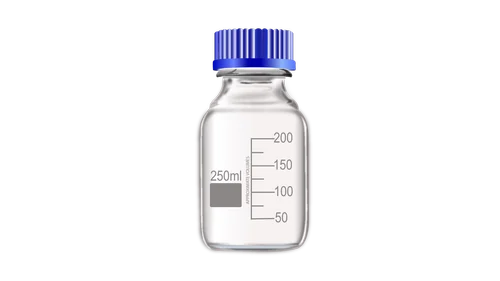
BEAKER LOW FORM WITH SPOUT (BOROSILICATE GLASS)

Original price was: ₹368,000.00.Current price is: ₹312,800.00.

Robust vertical autoclave for effective sterilization using high-pressure steam. Ideal for decontaminating lab instruments, media, and waste, ensuring a sterile environment.

Specifications Table

Product Name – Autoclave (Vertical)

Form – Vertical Unit

Grade – Laboratory Grade

Application – Sterilization of Media, Instruments, Glassware, Waste Decontamination

Product Overview

The eqipped Vertical Autoclave is an essential and highly effective sterilization unit designed to meet the rigorous demands of modern laboratories. Utilizing high-pressure saturated steam, this autoclave ensures complete destruction of all microorganisms, including bacteria, viruses, fungi, and spores, providing unparalleled decontamination of laboratory instruments, glassware, culture media, and biological waste. Its vertical design offers a compact footprint, making it suitable for labs with limited bench space, while still providing ample chamber capacity. Equipped with an intuitive digital control panel, users can easily program sterilization cycles, including temperature, pressure, and time, ensuring precise and reproducible results. Safety is paramount, with features such as an automatic pressure release valve, over-temperature protection, and a door interlock system that prevents opening until the chamber is depressurized. The robust stainless steel construction of both the inner chamber and outer casing ensures durability, corrosion resistance, and ease of cleaning, contributing to a long service life. The efficient heating system rapidly reaches and maintains sterilization temperatures, optimizing cycle times and enhancing laboratory throughput. This vertical autoclave is indispensable for microbiology, biotechnology, pharmaceutical, and healthcare facilities, delivering reliable, consistent, and safe sterilization for critical laboratory operations, ensuring a sterile environment and preventing cross-contamination.

FAQs

1. What is the principle behind autoclave sterilization?

Autoclave sterilization works by using high-pressure saturated steam at elevated temperatures (typically 121°C or 134°C). The combination of heat and moisture denatures proteins and destroys cellular structures of microorganisms, effectively sterilizing the items.

2. What types of materials can be sterilized in a vertical autoclave?

A vertical autoclave can sterilize a wide range of heat- and moisture-resistant materials, including glassware, stainless steel instruments, laboratory media, certain plastics, and biological waste. Materials that cannot withstand high heat or moisture, like some chemicals or electronics, are not suitable.

3. How do I ensure proper loading for effective sterilization?

Proper loading is crucial. Items should not be packed too tightly, allowing steam to penetrate all surfaces. Liquids should be in containers that are not completely sealed, and glassware should be inverted or placed to avoid air pockets. Use autoclave bags for waste and appropriate sterilization indicators.

4. What safety precautions should be followed when operating an autoclave?

Operators should wear appropriate PPE (heat-resistant gloves, lab coat, eye protection). Always check the water level, ensure the door is securely latched, and never attempt to open the door until the pressure has fully dropped. Follow the manufacturer’s instructions for safe operation and maintenance.

5. How often should an autoclave be serviced or validated?

Autoclaves should undergo regular maintenance, cleaning, and performance validation according to manufacturer recommendations and regulatory guidelines. Typically, this involves annual servicing and validation (e.g., using biological indicators or thermocouples) to ensure it consistently meets sterilization standards.
My Cart
Recently Viewed
Categories

Collaborate With Us

By Clicking “Download Now”, you are confirming that you have read and agree to eqipped.com ‘s Terms of Use and Privacy Policy.

Join Eqipped Circle

By Clicking “Join Now”, you are confirming that you have read and agree to eqipped.com ‘s Terms of Use and Privacy Policy.