
Description
Specifications Table
Product Material – Optical Glass & Metal Frame
Grade – Laboratory
Application – Wave Optics, Interference Experiments
Product Overview
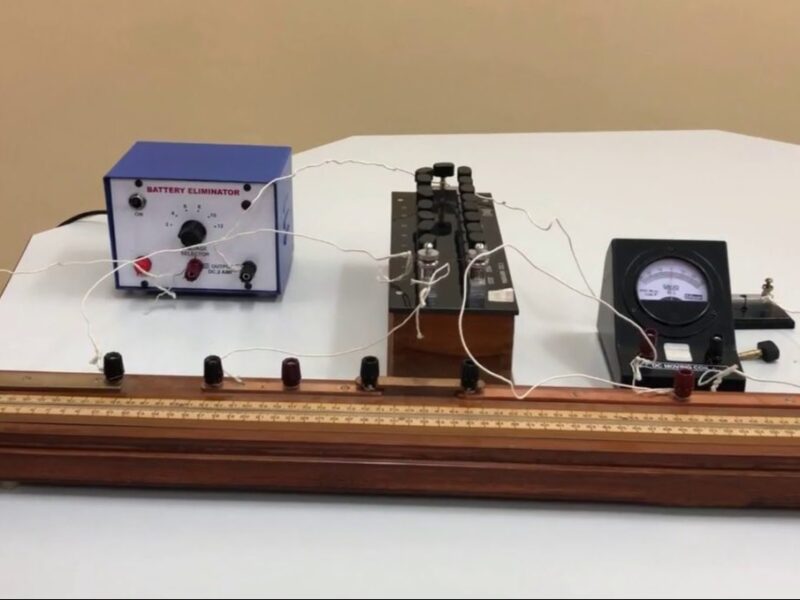
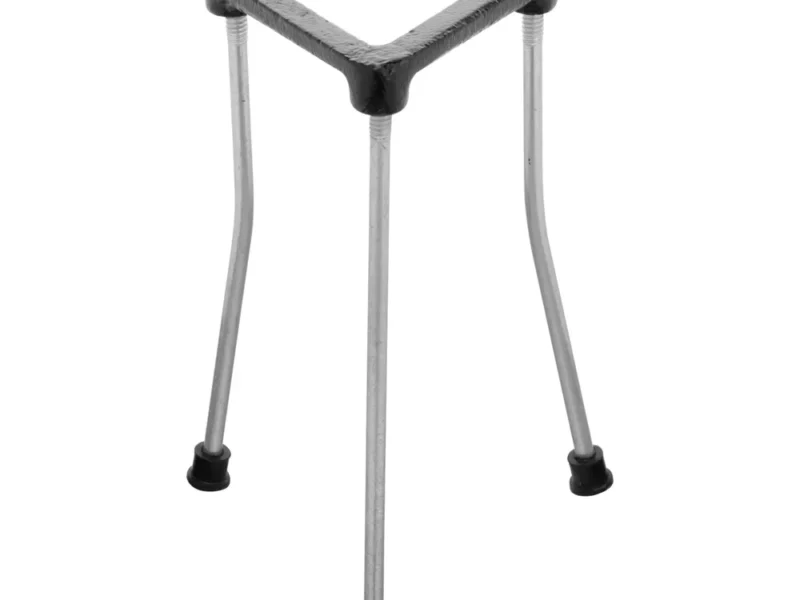
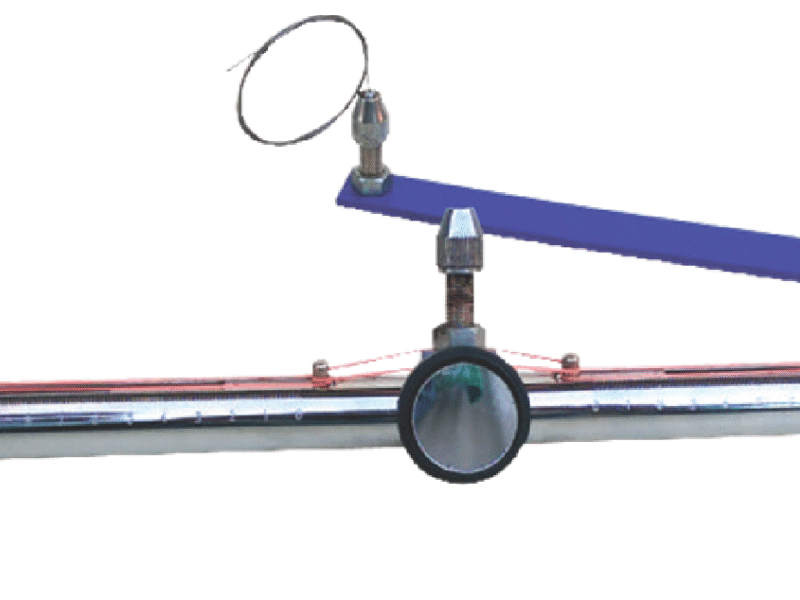
The Biprism Assembly (Complete Set) is a meticulously engineered optical instrument designed to demonstrate wave interference principles with exceptional clarity. Constructed from high-quality optical glass and a sturdy metal frame, this assembly ensures durability and precision in experimental setups. The biprism element splits light into two coherent sources, creating distinct interference fringes when paired with a monochromatic light source. The adjustable mounting mechanism allows for fine-tuning of the prism’s position, enabling researchers to achieve optimal fringe visibility and measurement accuracy. This complete set includes all necessary components for immediate use in laboratory environments, eliminating the need for additional accessories. The laboratory-grade construction guarantees minimal optical distortion, making it ideal for educational demonstrations and research applications where reliable results are paramount. The assembly’s design facilitates easy integration with standard optical benches and light sources, ensuring compatibility with existing lab equipment.
FAQs
1. What type of light source works best with this Biprism Assembly?
A sodium vapor lamp or laser diode with a wavelength of 589 nm provides the clearest interference patterns due to its monochromatic nature.
2. Can this assembly be used with white light sources?
While possible, white light will produce colored fringes rather than distinct black-and-white patterns, reducing measurement precision.
3. What maintenance is required for long-term use?
Regular dusting with a soft brush and storage in a dry environment prevents optical surface degradation and maintains alignment accuracy.
4. How does this compare to a Fresnel biprism setup?
This assembly offers greater structural stability and easier adjustment compared to traditional Fresnel biprism arrangements while maintaining similar optical performance.
5. What’s the typical fringe width achievable with this setup?
With proper alignment and a 589 nm light source, fringe widths of approximately 0.5-1.0 mm can be consistently observed at a 1-meter distance.