Description
Specifications Table
Product Name – Cadmium Acetate Dihydrate 98% Extra Pure Quantity/Pack Size – 100 g, 250 g, 500 g Form – Crystalline Powder Grade – Extra Pure (98%) Application – Analytical Reagent, Chemical Synthesis
Product Overview
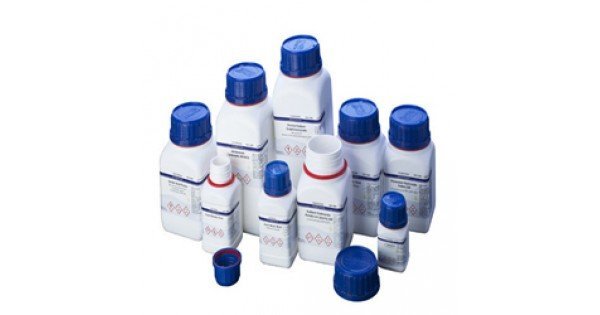
Cadmium Acetate Dihydrate 98% Extra Pure is a highly refined crystalline powder designed for precision in laboratory applications. This extra pure grade ensures minimal impurities, making it ideal for analytical chemistry, chemical synthesis, and research requiring consistent and reliable results. The compound exhibits excellent solubility in water and organic solvents, facilitating ease of use in various experimental setups. Its stability under standard lab conditions further enhances its suitability for long-term storage and repeated use. The 98% purity level guarantees accuracy in quantitative analysis, while its well-defined chemical structure supports reproducible reactions. Whether used as a reagent or a catalyst, this cadmium acetate variant delivers performance that meets stringent lab standards. The product is packaged in airtight containers to prevent moisture absorption and contamination, preserving its integrity until use.
FAQs
1. What is the shelf life of Cadmium Acetate Dihydrate 98% Extra Pure?
When stored in a cool, dry place in its original sealed packaging, this product retains its stability and purity for up to 24 months from the date of manufacture.
2. Is this compound compatible with aqueous solutions for titration?
Yes, Cadmium Acetate Dihydrate 98% Extra Pure dissolves readily in water, making it suitable for titration and other aqueous-based analytical procedures.
3. Are there any safer alternatives to cadmium-based reagents for similar applications?
Alternatives like zinc acetate or magnesium acetate may be considered for certain applications, though their reactivity and suitability depend on the specific experimental requirements.
4. How should this chemical be stored to maintain its purity?
Store in a tightly closed container away from direct sunlight, heat sources, and incompatible substances like strong oxidizing agents to prevent degradation.
5. What precautions should be taken while handling this compound?
Use standard lab safety measures, including gloves, goggles, and proper ventilation, as cadmium compounds are toxic and pose health risks upon inhalation or ingestion.
—