Description
Specifications Table
Product Name – CADMIUM CHLORIDE MONOHYDRATE 99% AR Quantity/Pack Size – 100 g, 500 g Form – Crystalline Powder Grade – 99% AR (Analytical Reagent) Application – Synthesis, Analytical Reagents
Product Overview
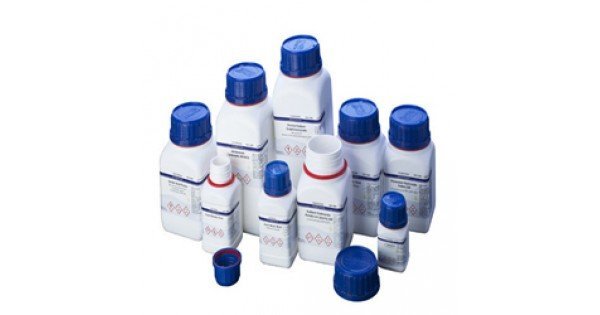
Cadmium Chloride Monohydrate 99% AR is a high-purity, water-soluble inorganic compound widely used in laboratory settings. This crystalline powder offers excellent stability and reactivity, making it suitable for applications requiring precise chemical control. The 99% AR grade ensures minimal impurities, which is critical for accurate analytical procedures and synthesis reactions. Its monohydrate form provides consistent hydration levels, enhancing reliability in experimental protocols. The compound is particularly valued for its role in preparing cadmium-based reagents and as a precursor in various chemical processes. With a well-defined molecular structure, it ensures reproducible results in qualitative and quantitative analyses. The product is packaged in airtight containers to maintain purity and prevent moisture absorption, ensuring long-term stability under proper storage conditions.
FAQs
1. What is the solubility of Cadmium Chloride Monohydrate 99% AR?
Cadmium Chloride Monohydrate 99% AR is highly soluble in water, forming a clear solution. It is also soluble in alcohols and slightly soluble in acetone.
2. Can this product be used for electrochemical applications?
Yes, due to its high purity and ionic nature, it is suitable for electrochemical studies, including plating and battery research.
3. What precautions should be taken while handling this compound?
Cadmium compounds are toxic and should be handled with gloves, goggles, and in a well-ventilated area. Avoid inhalation and direct contact with skin.
4. How should Cadmium Chloride Monohydrate 99% AR be stored?
Store in a cool, dry place in tightly sealed containers to prevent moisture absorption and contamination.
5. Is this product compatible with standard lab glassware?
Yes, it is compatible with borosilicate glass and most lab-grade plastic containers, but avoid prolonged contact with metals to prevent reactions.
—