Description
Specifications Table
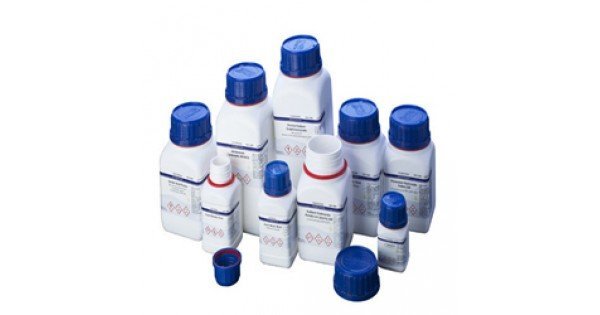
Product Name – CHLOROFORM 99% For Synthesis Quantity/Pack Size – 500 ml, 1000 ml, 2500 ml Form – Liquid Grade – For Synthesis Application – Solvent, extraction, purification
Product Overview
CHLOROFORM 99% For Synthesis is a high-purity, laboratory-grade solvent designed for precise research and analytical applications. This clear, colorless liquid is characterized by its low reactivity and excellent dissolving properties, making it a preferred choice for various chemical processes. With a guaranteed purity of 99%, it ensures minimal impurities, reducing the risk of interference in sensitive experiments. The solvent is stabilized to prevent degradation, ensuring long-term stability and consistent performance. Its low boiling point and high volatility make it suitable for extraction and purification procedures where rapid evaporation is required. The product is carefully packaged to maintain its integrity, preventing contamination and ensuring safe handling. Whether used as a solvent, extraction medium, or reaction medium, this Chloroform variant delivers reliable results, meeting the stringent demands of modern laboratories. The synthesis grade designation indicates its suitability for general laboratory use, excluding applications requiring ultra-high purity or specialized grades.
FAQs
1. What is the shelf life of Chloroform 99% For Synthesis?
The shelf life is typically 12-24 months when stored properly in a cool, dark place with the container tightly sealed.
2. Is this Chloroform stabilized with ethanol?
Yes, it contains a small amount of ethanol (0.5-1%) as a stabilizer to prevent decomposition.
3. Can this Chloroform be used for HPLC applications?
While it is high-purity, HPLC applications may require a dedicated HPLC-grade solvent for optimal performance.
4. What precautions should be taken during storage?
Store in a well-ventilated area away from direct sunlight, heat sources, and incompatible materials like strong oxidizers.
5. Is this Chloroform suitable for DNA extraction?
Yes, it is commonly used in molecular biology for DNA/RNA extraction due to its effective protein denaturation properties.