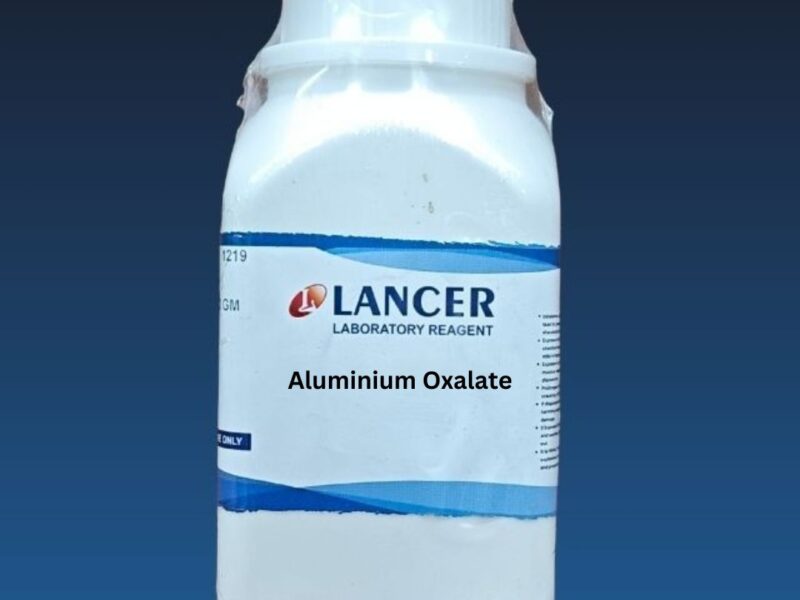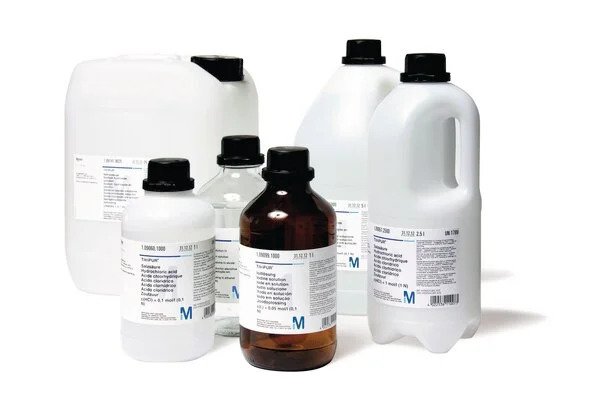
Description
Specifications Table
| Product Name | Chromium(III) Potassium Sulfate Dodecahydrate |
|---|---|
| Pack Size | 250 GM |
| Form | Crystalline Powder |
| Grade | Lab Grade |
| Application | Analytical Chemistry, Synthesis, Education |
Product Description
Chromium(III) Potassium Sulfate Dodecahydrate, also known as chrome alum, is a versatile inorganic compound widely used in laboratories for its unique properties. This high-purity reagent is essential for qualitative analysis, synthesis reactions, and educational demonstrations. With a pack size of 250g, it offers ample quantity for repeated experiments without frequent restocking.
Whether you’re a student conducting titration experiments or a researcher working on chromium-based catalysis, this lab-grade chemical ensures reliable results. Its stable crystalline form makes it easy to handle and store, while its solubility in water allows for seamless integration into various protocols.
At eqipped, we source this product from Merck, a trusted name in laboratory chemicals, guaranteeing consistency and purity. The compound’s deep violet crystals are not just visually distinctive but also serve as a clear indicator in redox reactions, making it a favorite in academic and research settings.
Need a dependable chromium potassium sulfate supplier? Buy online from eqipped for authentic Merck products with fast shipping across India.
FAQs
What is the molecular formula of Chromium(III) Potassium Sulfate Dodecahydrate?
The molecular formula is KCr(SO₄)₂·12H₂O, commonly referred to as chrome alum.
How should I store this chemical to maintain its stability?
Store in a cool, dry place in tightly sealed containers. Keep away from direct sunlight and moisture to prevent degradation.
Is this product suitable for food or pharmaceutical applications?
No, this is a lab-grade chemical intended solely for research and educational purposes, not for consumption or medical use.
What’s the typical shelf life of this product?
When stored properly, the product maintains its stability for at least 2 years from the date of manufacture.
Can I use this for chromatography applications?
While not primarily used in chromatography, it can serve as a component in certain mobile phases or as a standard in some analytical techniques.