Description
Specifications Table
| Product Name | Citric Acid, Monohydrate ARS, ACS |
|---|---|
| Pack Size | 500 g |
| Form | Crystalline Powder |
| Grade | ARS, ACS |
| Application | Analytical research, pH adjustment, biochemical assays |
Product Description
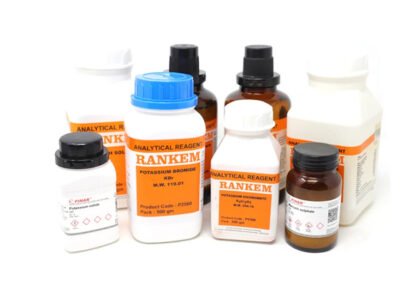
Citric acid monohydrate is a versatile organic acid widely used in laboratories for its buffering capacity and chelating properties. This ARS and ACS-grade variant from Avantor ensures high purity, making it suitable for critical applications in research, pharmaceuticals, and food analysis.
Whether you’re standardizing solutions, conducting enzymatic studies, or preparing culture media, this 500g pack provides consistent results. The monohydrate form offers stability and ease of handling, while the analytical reagent grade meets stringent quality standards.
For researchers and educators, citric acid monohydrate serves as a reliable reagent in experiments requiring precise pH control. Its water-soluble nature and mild acidity make it a staple in biochemistry and molecular biology labs.
Need citric acid monohydrate for your lab? Buy online at eqipped for guaranteed quality and fast shipping.
FAQs
What is the difference between citric acid monohydrate and anhydrous?
The monohydrate form contains one water molecule per citric acid molecule, making it more stable for storage. Anhydrous citric acid lacks this water content and may absorb moisture from the air.
Can this be used for food applications?
While this is lab-grade citric acid, food-grade variants are available for culinary use. Always verify the grade matches your application requirements.
How should I store citric acid monohydrate?
Keep the container tightly sealed in a dry environment. Exposure to humidity may cause clumping but doesn’t affect chemical properties.
What’s the shelf life of this product?
When stored properly, citric acid monohydrate remains stable for 2-3 years. Check the manufacturer’s expiration date on the packaging.
Is this suitable for DNA extraction protocols?
Yes, citric acid is commonly used in DNA extraction buffers due to its chelating properties that help remove metal ions.