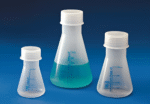
Description
Specifications:
| Feature | Details |
|---|---|
| Brand | Polylab |
| Material | High-grade Polypropylene (PP) – excellent chemical resistance |
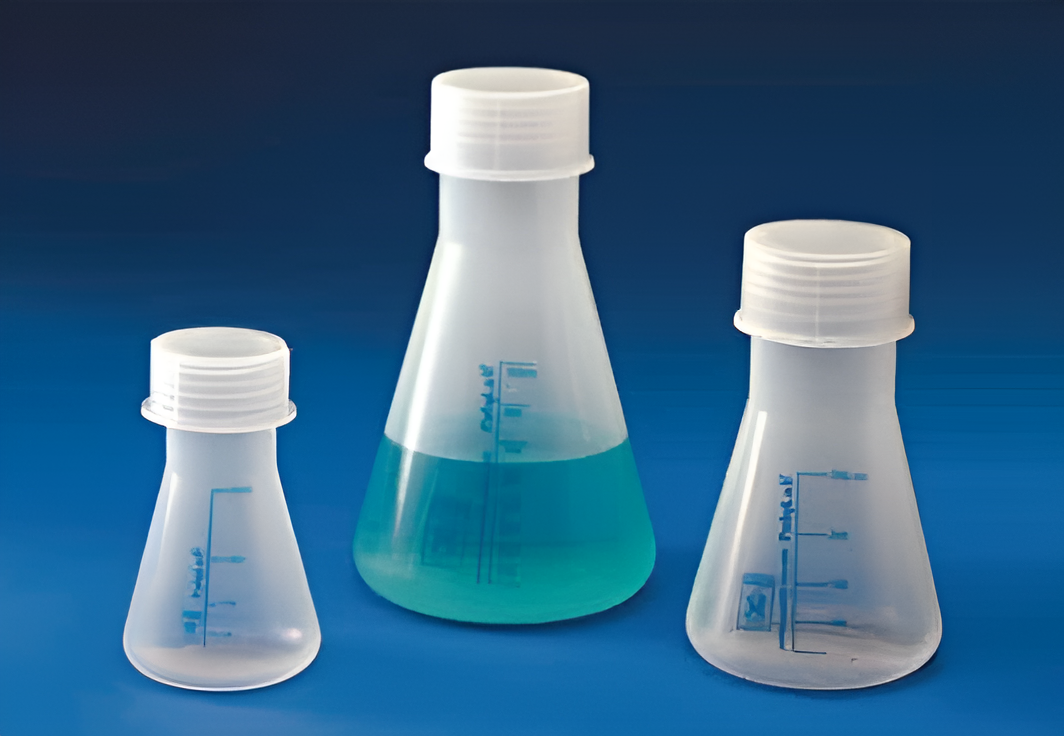
| Design | Conical shape with wide mouth and sturdy flat base |
| Capacity Options | 50 ml, 100 ml, 250 ml, 500 ml, 1000 ml |
| Graduation | Molded, clear, easy-to-read graduations |
| Autoclavable | Yes – safe for sterilization at 121°C |
| Shatterproof | Yes – durable and impact-resistant |
| Pouring Spout | Integrated spout for drip-free pouring |
| Application | Ideal for mixing, heating, storing, and transferring liquids |
Product Overview:
Polylab Conical Flask-L is a versatile laboratory flask designed for a wide range of everyday applications, from mixing and heating to storing reagents and solutions. Made from high-quality polypropylene, this flask provides excellent chemical resistance and robust durability, making it a safe, reusable alternative to glassware.
The classic conical shape (Erlenmeyer design) with a broad flat base ensures stability on lab benches and hotplates, while the wide mouth allows easy filling and cleaning. Clear, molded graduations enable quick and precise volume measurements, even after repeated use and autoclaving.
An integrated pouring spout ensures smooth, drip-free transfers of liquids, minimizing wastage and mess during experiments. Lightweight yet shatterproof, the Polylab Conical Flask-L reduces the risk of breakage and enhances safety in busy educational, industrial, or research laboratories.
Fully autoclavable, this flask withstands sterilization at 121°C without warping or discoloration, ensuring consistent performance batch after batch. Available in various capacities, Polylab’s Conical Flask-L is an essential addition for any lab requiring safe, cost-effective, and reliable labware.
For best results, pair your flask with compatible Polylab Measuring Cylinders for precise liquid transfers and measurements. Explore our comprehensive Plastic Laboratory Glassware collection to find more durable, reusable lab essentials. For safe lab practices and flask handling guidelines, refer to the Royal Society of Chemistry Laboratory Best Practices for trusted recommendations.