Description
Specifications Table
| Product Name | Young’s Modulus by Cornu’s Method | AE 1011 | ASICO |
|---|---|
| Pack Size | 1 Set |
| Form | Apparatus Kit |
| Grade | Lab/Educational Grade |
| Application | Physics experiments, educational labs, research |
Product Description
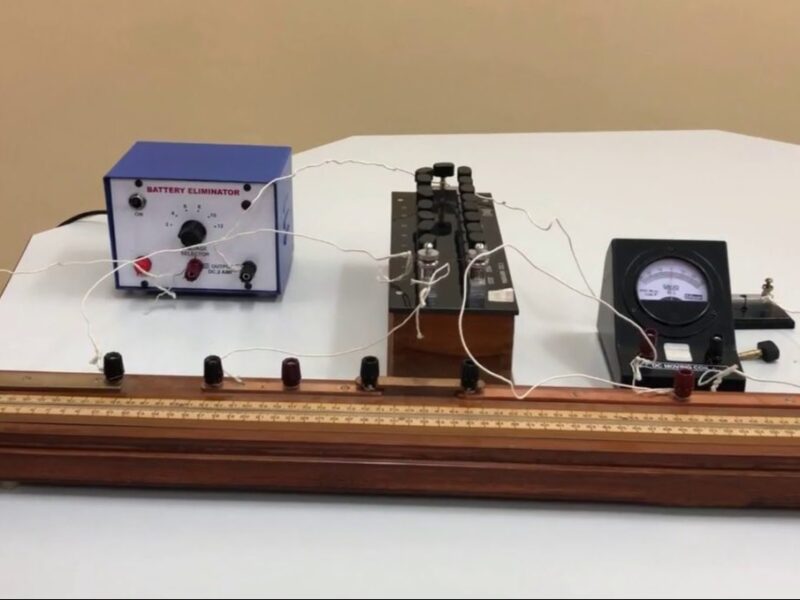
Understanding the elastic properties of materials is fundamental in physics and engineering. The Young’s Modulus by Cornu’s Method apparatus is a classic yet highly effective tool for measuring the stiffness of materials. Whether you’re a student conducting experiments in a school lab or a researcher validating material properties, this apparatus provides accurate and reliable results.
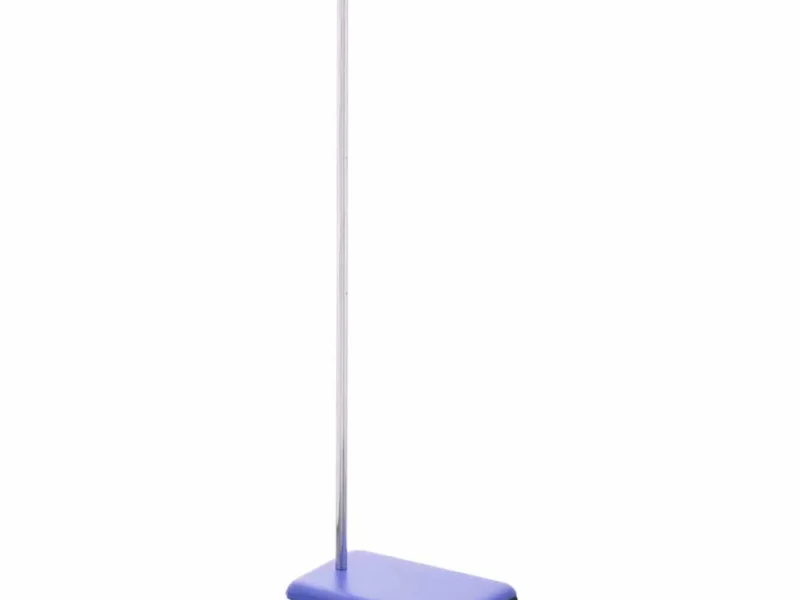
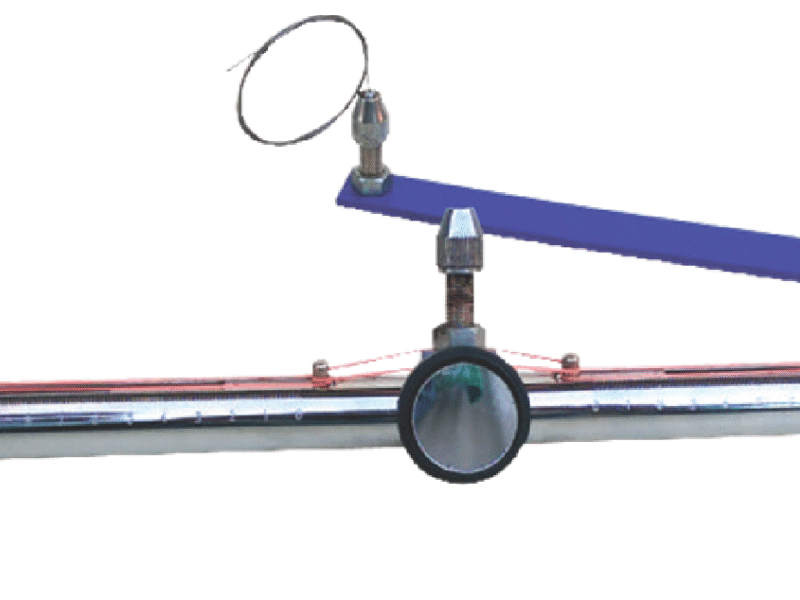
Cornu’s Method is a well-established technique that involves suspending a wire under tension and measuring its extension under a known load. The apparatus includes all necessary components, such as the wire, weights, and a measuring scale, ensuring a seamless experimental setup. The design is robust, making it suitable for repeated use in educational and research environments.
At eqipped, we ensure that every piece of lab equipment meets high standards of quality and precision. This apparatus is no exception, offering durability and ease of use for both beginners and experienced users. Explore the world of material science with confidence—shop now for the best Young’s Modulus apparatus online.
How Cornu’s Method Works
The principle behind Cornu’s Method is straightforward yet ingenious. A wire is fixed at one end and attached to a weight at the other. As the weight is increased, the wire extends, and this extension is measured using a vernier scale or micrometer. By applying Hooke’s Law, you can calculate Young’s Modulus, which is a measure of the material’s resistance to elastic deformation.
This method is particularly useful for educational purposes because it visually demonstrates the relationship between stress and strain. Students can observe how different materials behave under load, reinforcing theoretical concepts with practical experiments.
Applications in Education and Research
This apparatus is widely used in:
- School and college physics labs for demonstrating material properties.
- University research projects involving material science.
- Industrial training programs where understanding material behavior is crucial.
Its simplicity and effectiveness make it a staple in physics education. Whether you’re setting up a new lab or upgrading existing equipment, this apparatus is a valuable addition.
Why This Apparatus Stands Out
Unlike digital alternatives, Cornu’s Method offers a hands-on approach that enhances learning. The tactile experience of setting up the experiment and manually recording measurements helps students grasp the fundamentals of material science. Additionally, the apparatus is designed for longevity, ensuring years of reliable use.
For educators, this means fewer replacements and consistent performance. For researchers, it means dependable data for critical experiments. Upgrade your lab today—buy the Young’s Modulus by Cornu’s Method apparatus online at eqipped.
Safety and Handling
While this apparatus is generally safe, it’s important to handle the weights and wire with care to avoid accidents. Always ensure the setup is stable before applying loads, and follow standard lab safety protocols.
FAQs
What is Young’s Modulus?
Young’s Modulus is a measure of the stiffness of a material. It defines the relationship between stress (force per unit area) and strain (deformation) in the elastic region of a material.
How does Cornu’s Method differ from other methods?
Cornu’s Method uses a direct measurement of extension under load, making it ideal for educational demonstrations. Other methods, like the beam bending test, are more complex and suited for advanced research.
Is this apparatus suitable for school labs?
Yes, it is designed for educational use and is commonly found in school and college physics labs due to its simplicity and effectiveness.
Can I use this apparatus for research?
While it is primarily educational, it can be used for basic research where high precision is not required. For advanced research, consider more sophisticated equipment.
How do I maintain the apparatus?
Keep the wire clean and free from kinks. Store the weights in a dry place to prevent corrosion. Regularly check the measuring scale for accuracy.