Description
Specifications Table
Product Name – DICHLOROACETIC ACID 99% EXTRA PURE
Quantity/Pack Size – 100 ml, 250 ml, 1000 ml, 2500 ml
Form – Liquid
Grade – Extra Pure (99%)
Application – Chemical synthesis, organic reactions, analytical testing
Product Overview
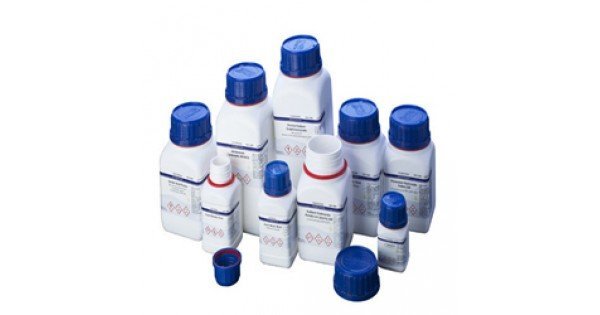
Dichloroacetic acid (DCA) 99% extra pure is a high-quality reagent designed for demanding laboratory applications. This colorless liquid offers exceptional purity, ensuring reliable results in chemical synthesis, organic reactions, and analytical testing. Its strong acidic properties make it a versatile choice for researchers requiring precise control over reaction conditions. The extra pure grade minimizes impurities, reducing the risk of side reactions or contamination in sensitive experiments. This product is particularly valued for its stability and consistent performance across a wide range of applications. The 99% purity level meets stringent laboratory standards, making it suitable for both qualitative and quantitative analyses. Proper handling and storage are essential due to its corrosive nature, and it should be used in well-ventilated areas with appropriate safety measures. This dichloroacetic acid formulation provides the reliability needed for reproducible experimental outcomes in advanced research settings.
FAQs
1
What is the shelf life of dichloroacetic acid 99% extra pure?
When stored properly in a cool, dry place away from moisture and direct sunlight, this product maintains its stability for up to 2 years from the date of manufacture. 2
Can this dichloroacetic acid be used with glassware?
While it can be used with glass containers, prolonged exposure may cause etching due to its corrosive nature. Borosilicate glass is recommended for better resistance. 3
What safety precautions should be taken when handling this chemical?
Always wear protective gloves, goggles, and lab coat. Work in a fume hood or well-ventilated area to avoid inhalation of vapors. 4
Is this product compatible with common organic solvents?
Yes, it is miscible with most organic solvents including ethanol, acetone, and ether, but compatibility should be verified for specific applications. 5
What’s the difference between extra pure and reagent grade?
Extra pure grade offers higher purity (99%) with fewer impurities compared to standard reagent grade, making it more suitable for sensitive applications.