Description
Specifications Table
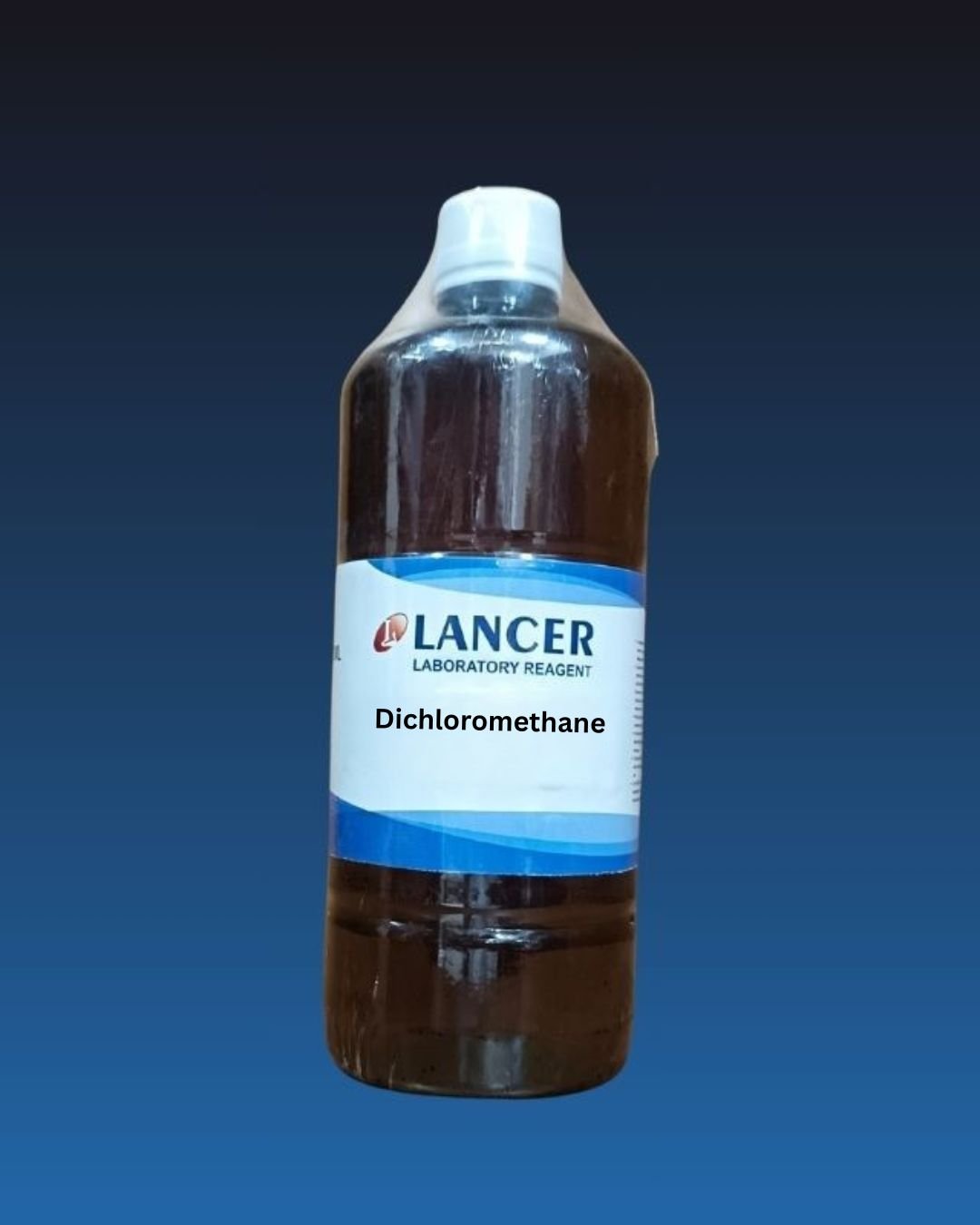
Product Name – Dichloromethane 500 ml
Quantity/Pack Size – 500 ml
Form – Liquid
Grade – Laboratory Grade
Application – Organic synthesis, extraction, chromatography
Product Overview
Dichloromethane, also known as methylene chloride, is a versatile organic solvent widely used in laboratory settings due to its high solvency power and low boiling point. This laboratory-grade dichloromethane is a clear, colorless liquid with a mild, sweet odor, making it suitable for a variety of applications, including organic synthesis, extraction processes, and chromatography. It is highly effective in dissolving a wide range of organic compounds, making it an essential solvent in research and analytical procedures. The product is supplied in a 500 ml pack, ensuring convenience and ease of use for small to medium-scale experiments. Its low toxicity and volatility further enhance its suitability for controlled laboratory environments. Proper handling and storage are recommended to maintain its purity and effectiveness. This dichloromethane is ideal for researchers and students who require a reliable and high-quality solvent for their experimental work.
FAQs
1. What is the primary use of dichloromethane in laboratories?
Dichloromethane is commonly used as a solvent in organic synthesis, extraction processes, and chromatography due to its ability to dissolve a wide range of organic compounds.
2. Is this dichloromethane suitable for all types of experiments?
This laboratory-grade dichloromethane is ideal for most general lab applications, but for specialized experiments, ensure compatibility with your specific protocol.
3. How should dichloromethane be stored to maintain its purity?
Store in a cool, dry place away from direct sunlight and heat sources. Keep the container tightly sealed to prevent evaporation and contamination.
4. Are there any safety precautions to consider when using dichloromethane?
Yes, use in a well-ventilated area or under a fume hood. Avoid inhalation and direct skin contact. Follow standard laboratory safety protocols.
5. Can this dichloromethane be used as a substitute for other solvents?
It can replace some solvents like chloroform or hexane in certain applications, but always verify compatibility with your specific experimental requirements.