Description
Specifications Table
Product Material – Copper/Aluminum
Grade – Laboratory Grade
Application – Charge-to-mass ratio determination, electron behavior studies
Product Overview
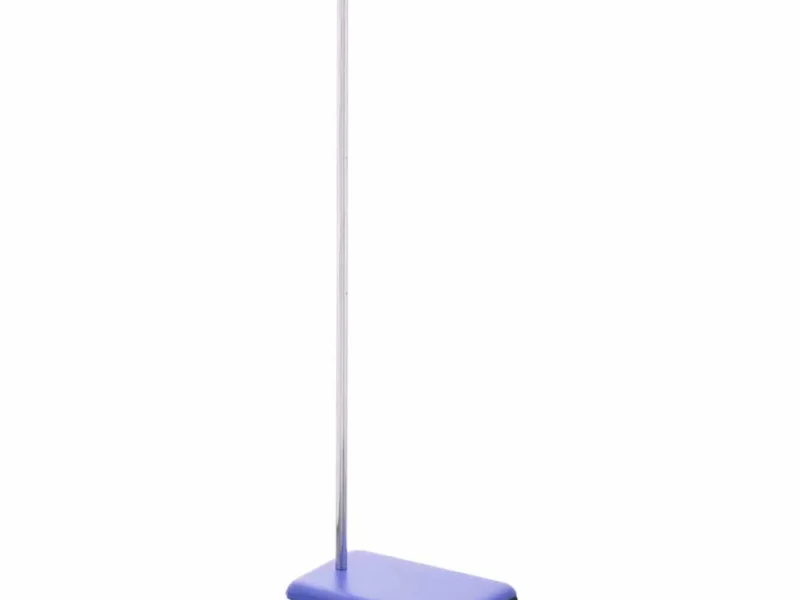
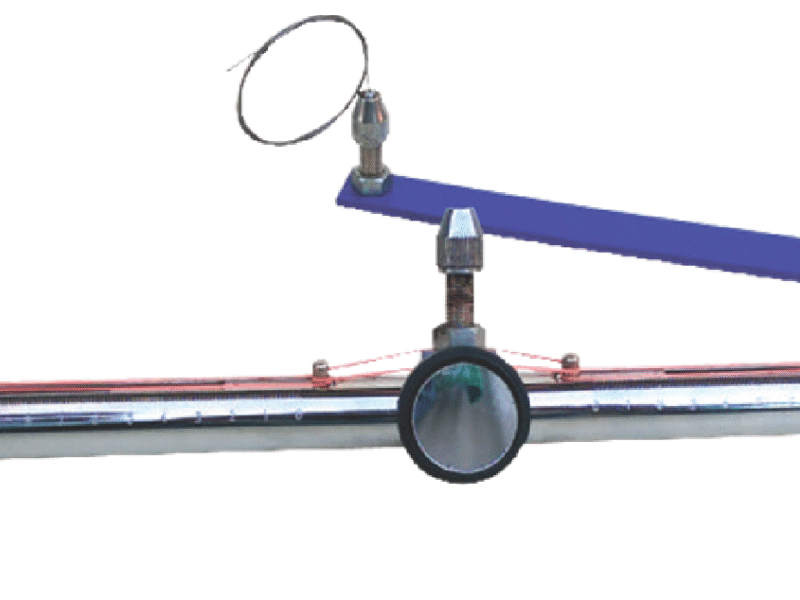
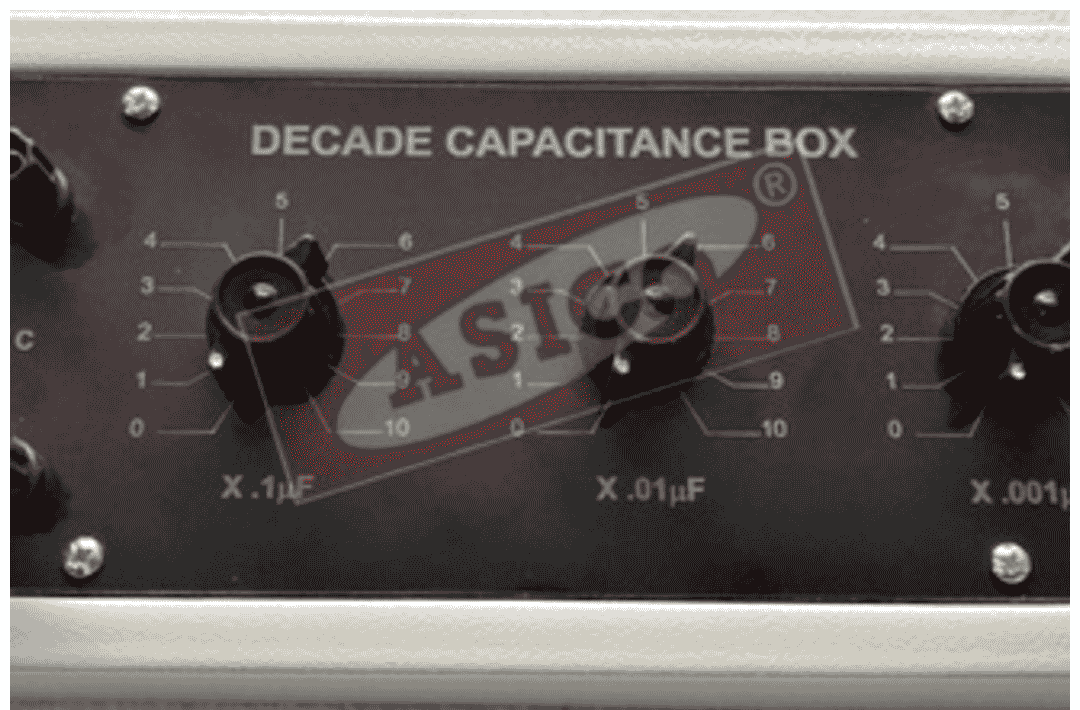
The E/M by Magnetron Method is a specialized apparatus designed for precise measurement of the electron charge-to-mass ratio, a fundamental constant in physics. This method leverages a magnetron configuration to create a controlled magnetic field, allowing electrons to follow a defined helical path. The setup includes high-purity copper or aluminum components to minimize interference and ensure accurate readings. The device is engineered for stability, reducing external vibrations and electromagnetic noise that could affect results. Its compact yet robust design makes it suitable for repeated use in experimental setups. The apparatus is calibrated to provide consistent performance, eliminating the need for frequent recalibration. Whether used in educational demonstrations or advanced research, this method offers a reliable way to study electron dynamics under magnetic influence. The durable construction ensures longevity, while the intuitive setup allows for straightforward operation. Ideal for experiments requiring high precision, this E/M apparatus delivers reproducible data, making it a valuable tool in any physics laboratory.
FAQs
1. What materials are used in the E/M by Magnetron Method setup?
The primary components are made from high-purity copper or aluminum to ensure minimal resistance and interference during experiments.
2. How does this method compare to Thomson’s tube for E/M measurement?
The magnetron method provides a more controlled magnetic field and reduces electron scattering, leading to higher precision compared to traditional Thomson’s tube setups.
3. Can this apparatus be used for undergraduate-level experiments?
Yes, the design is user-friendly and suitable for both educational demonstrations and advanced research, provided proper supervision is maintained.
4. What is the expected lifespan of this equipment with regular use?
With proper handling and storage, the apparatus can last for several years without significant degradation in performance.
5. Are there any special storage conditions required for this setup?
Store in a dry, dust-free environment away from strong magnetic fields to maintain calibration and prevent component damage.