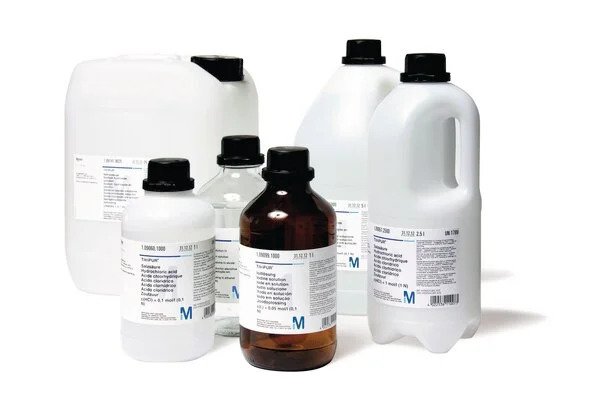
Description
Specifications Table
| Product Name | Ethanethiol For Synthesis |
|---|---|
| Quantity/Pack Size | 1 L |
| Form | Liquid |
| Grade | For Synthesis |
| Application | Organic synthesis, chemical research |
Product Description
Ethanethiol, also known as ethyl mercaptan, is a critical reagent in organic synthesis and chemical research. This high-purity grade from Merck ensures reliable results in lab experiments, making it a preferred choice for researchers and students alike. The 1L bottle provides ample quantity for multiple experiments, reducing the need for frequent reordering.
Whether you’re working on thiol-based reactions, odorant studies, or other specialized applications, this Ethanethiol for synthesis delivers consistent performance. Its purity and stability make it suitable for both academic and industrial laboratories.
Need Ethanethiol for your next experiment? Buy online now at eqipped for guaranteed quality and fast delivery.
Ethanethiol is widely used in the synthesis of pharmaceuticals, agrochemicals, and other organic compounds. Its strong, distinctive odor also makes it useful in gas leak detection applications. When stored properly in a cool, dry place, this reagent maintains its integrity for extended periods.
For researchers looking to buy Ethanethiol online in India, eqipped offers a seamless purchasing experience with competitive pricing and reliable logistics. Our platform ensures you get authentic Merck products, so you can focus on your work without worrying about quality.
FAQs
What is Ethanethiol used for in laboratories?
Ethanethiol is primarily used in organic synthesis, particularly in reactions involving thiol groups. It also serves as an odorant in gas leak detection.
How should I store Ethanethiol?
Store Ethanethiol in a tightly sealed container in a cool, dry place away from heat and ignition sources. Use a fume hood for handling.
Is Ethanethiol safe to handle?
No, Ethanethiol is highly flammable and toxic. Always wear gloves, goggles, and a lab coat when handling it. Work in a well-ventilated area.
Can I buy Ethanethiol in smaller quantities?
Currently, this product is available in a 1L bottle. For smaller quantities, check our other listings or contact our support team.
How quickly can I get Ethanethiol delivered?
Delivery times vary by location, but most orders are dispatched within 1-2 business days. Check our shipping policy for details.