Description
Specifications Table
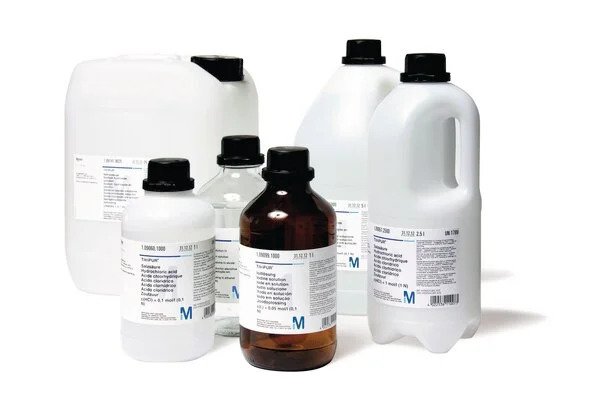
| Product Name | Ethyl Acetate F. A. Emparta | 1.07048.0501 | Merck |
|---|---|
| Quantity/Pack Size | 500 GM |
| Form | Liquid |
| Grade | Analytical (F. A.) |
| Application | Solvent for extractions, chromatography, and lab synthesis |
Product Description
Ethyl acetate is a versatile solvent widely used in laboratories for extractions, chromatography, and chemical synthesis. This high-purity analytical-grade ethyl acetate from Merck ensures reliable results in research and industrial applications. Its low toxicity and pleasant odor make it a preferred choice for delicate procedures.
Whether you’re a student setting up an experiment or a researcher refining a protocol, this ethyl acetate delivers consistent performance. The 500 GM pack size is ideal for frequent lab use without excessive storage concerns.
Need ethyl acetate for your lab? Buy online now and get it delivered fast.
Ethyl acetate’s excellent solvency power makes it indispensable in organic chemistry. It efficiently dissolves a wide range of compounds while evaporating quickly, leaving minimal residue. This makes it perfect for sample preparation in GC-MS or HPLC analysis.
For educators, this solvent is a staple in teaching organic chemistry concepts. Its predictable behavior in reactions helps students understand fundamental principles like esterification and hydrolysis.
FAQs
What is the purity of this ethyl acetate?
This product meets analytical grade specifications, typically 99.5%+ purity with controlled levels of water and residual solvents.
Can I use this for food analysis?
While high-purity, this ethyl acetate is intended for laboratory use only and isn’t food-grade certified.
What’s the shelf life of ethyl acetate?
When stored properly in its original sealed container, ethyl acetate remains stable for 2-3 years from manufacture date.
Is this suitable for DNA extraction?
Yes, ethyl acetate is commonly used in molecular biology for DNA precipitation and purification protocols.
How should I dispose of ethyl acetate waste?
Collect in approved solvent waste containers and dispose through licensed hazardous waste handlers according to local regulations.