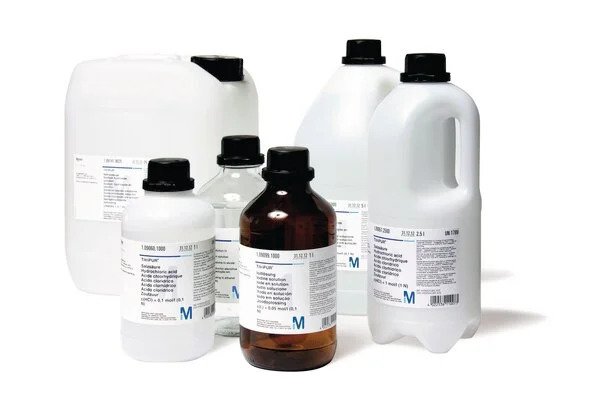
Description
Specifications Table
| Product Name | Ethylbenzene For Synthesis |
|---|---|
| Quantity/Pack Size | 100 ML |
| Form | Liquid |
| Grade | For Synthesis |
| Application | Laboratory research, chemical synthesis |
Product Description
Ethylbenzene is a versatile aromatic hydrocarbon widely used in laboratories for synthesis, research, and chemical analysis. This high-purity ethylbenzene from Merck is designed for precise applications where consistency and reliability are critical. Whether you’re a student conducting experiments or a researcher developing new compounds, this laboratory-grade ethylbenzene ensures accurate results.
With a pack size of 100ml, it’s perfect for small-scale experiments and routine lab work. The “For Synthesis” grade guarantees minimal impurities, making it suitable for sensitive reactions and analytical procedures. If you’re looking to buy ethylbenzene online, eqipped offers a seamless purchasing experience with authentic Merck products.
Need ethylbenzene for your next experiment? Order now and get it delivered to your lab quickly.
Ethylbenzene is commonly used as a solvent, intermediate in organic synthesis, and reference standard in chromatography. Its stability and purity make it a preferred choice in academic and industrial labs. When you buy ethylbenzene online from eqipped, you’re choosing a trusted supplier committed to quality and authenticity.
FAQs
What is ethylbenzene used for in laboratories?
Ethylbenzene is primarily used as a solvent, synthesis intermediate, and reference standard in chromatography and organic chemistry experiments.
Is this ethylbenzene suitable for analytical applications?
Yes, the “For Synthesis” grade ensures high purity, making it ideal for analytical and research purposes.
How should I store ethylbenzene?
Store in a tightly sealed container in a cool, dry place, away from heat and open flames. Follow standard lab safety protocols.
Can I buy ethylbenzene in bulk from eqipped?
Currently, this product is available in a 100ml pack. For bulk inquiries, contact our customer support for assistance.
What makes Merck’s ethylbenzene different?
Merck’s ethylbenzene is rigorously tested for purity and consistency, ensuring reliable performance in critical lab applications.