Description
Specifications Table
| Product Name | Ethylene Diamine Tetra Acetic Acid Dipotassium Salt AR 99.0% |
|---|---|
| Pack Size | 100 gm – 500 gm – 5 kg – 25 kg – 50 kg |
| Form | Powder |
| Grade | AR (Analytical Reagent) |
| Application | Chelating agent, titration, molecular biology, lab research |
Product Description
Ethylene Diamine Tetra Acetic Acid Dipotassium Salt, commonly known as EDTA dipotassium salt, is a high-purity chelating agent widely used in laboratories. With an AR grade purity of 99.0%, this compound is essential for applications requiring precise metal ion binding, such as titration, molecular biology, and analytical chemistry.
Whether you’re a student conducting experiments or a researcher working on complex analyses, this EDTA variant ensures reliable results. Its water-soluble nature makes it easy to prepare solutions, and its stability under various conditions enhances its versatility in lab settings.
At eqipped, we provide lab-grade EDTA dipotassium salt in multiple pack sizes to suit different research needs. From small-scale experiments to bulk requirements, you can find the right quantity for your work.
Need high-quality EDTA dipotassium salt for your lab? Order online today and get fast delivery across India.
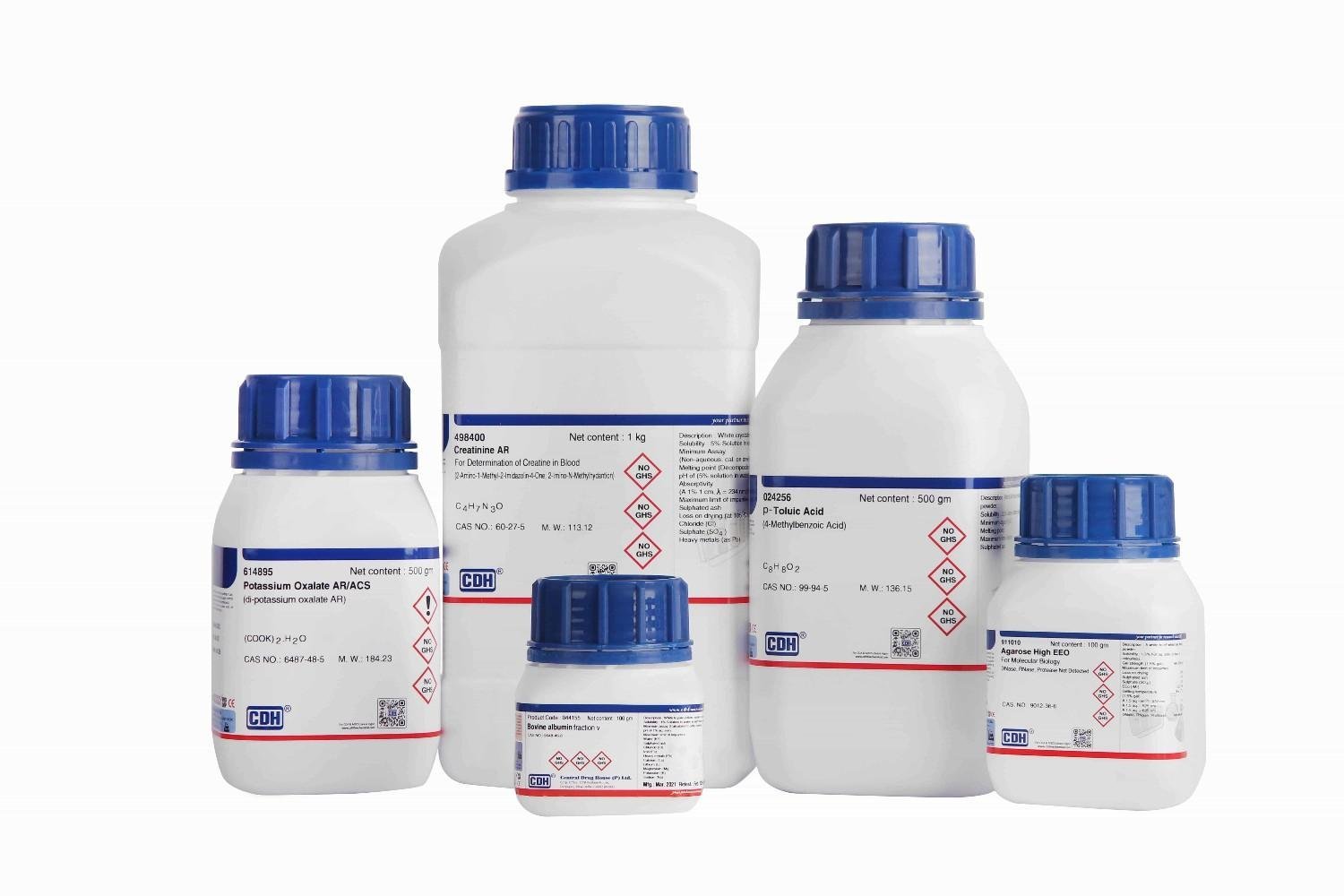
This product is sourced from CDH, a trusted name in laboratory chemicals, ensuring consistency and performance in every batch. Whether you’re working in academia or industry, this EDTA salt is a dependable choice for your chelation needs.
FAQs
What is EDTA dipotassium salt used for in labs?
It’s primarily used as a chelating agent to bind metal ions, preventing interference in experiments. Common applications include titration, molecular biology, and analytical chemistry.
Is this EDTA salt suitable for DNA extraction?
Yes, EDTA dipotassium salt is often used in DNA extraction protocols to inhibit metal-dependent enzymes that could degrade nucleic acids.
What does AR grade mean?
AR grade stands for Analytical Reagent grade, indicating high purity and suitability for precise laboratory applications.
How should I store EDTA dipotassium salt?
Store it in a tightly sealed container in a cool, dry place. Keep it away from moisture and incompatible chemicals.
Can I buy EDTA dipotassium salt in bulk?
Yes, eqipped offers pack sizes up to 50 kg for bulk requirements. Contact us for customized orders.