Description
Specifications Table
Product Name – ETHYLENEDIAMINE TETRAACETIC ACID FERRIC SODIUM SALT TRIHYDRATE Extra Pure
Quantity/Pack Size – 100 g, 500 g
Form – Crystalline Powder
Grade – Extra Pure
Application – Chelating agent, iron source in cell culture, biochemical research
Product Overview
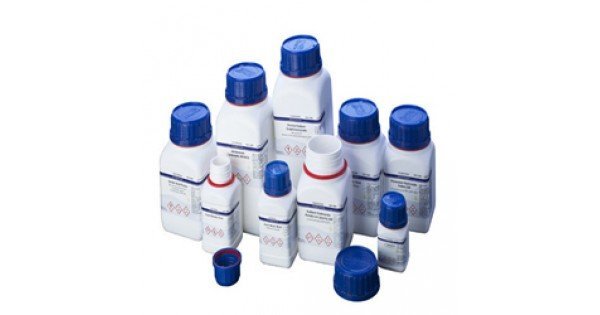
ETHYLENEDIAMINE TETRAACETIC ACID FERRIC SODIUM SALT TRIHYDRATE (Ferric EDTA) is an Extra Pure-grade chelating agent widely used in laboratories for its ability to stabilize iron ions in solution. This crystalline powder ensures high solubility in water, making it ideal for applications requiring controlled iron delivery, such as plant tissue culture, microbial growth media, and enzymatic assays. The trihydrate form enhances stability, while the Extra Pure designation guarantees minimal trace metal contamination, ensuring reliable results in sensitive experiments. Its role as a sequestering agent prevents iron precipitation, maintaining bioavailability in nutrient solutions. The compound’s consistent performance and batch-to-batch uniformity make it a preferred choice for researchers and educators working with iron-dependent biochemical pathways. Store in a cool, dry place to preserve integrity.
FAQs
1. What is the solubility of Ferric EDTA Salt Trihydrate in water?
Ferric EDTA Salt Trihydrate is highly soluble in water, typically dissolving at concentrations up to 100 mg/mL under standard lab conditions.
2. Can this compound be used in plant tissue culture media?
Yes, it serves as a stable iron source in plant tissue culture media, preventing precipitation and ensuring iron availability for growth.
3. How does Extra Pure grade differ from standard grades?
Extra Pure grade undergoes stricter purification, reducing impurities like heavy metals, which is critical for sensitive biochemical applications.
4. What is the recommended storage condition for this product?
Store in a tightly sealed container at room temperature, away from moisture and direct sunlight, to maintain stability.
5. Is this product compatible with common lab buffers?
Yes, it remains stable in neutral to slightly acidic buffers (pH 4–7), making it suitable for most biochemical assays.
—