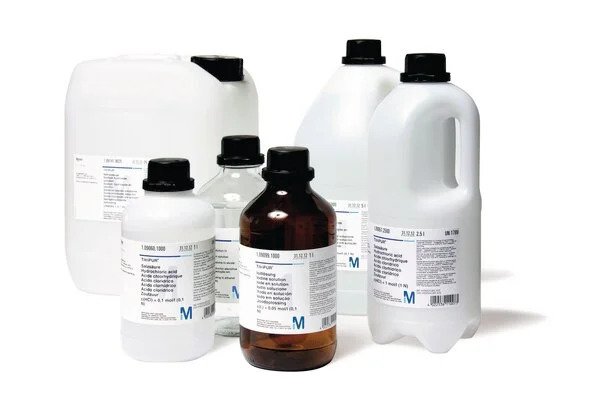
Description
Specifications Table
| Product Name | Fmoc-Lys(Me3cl)-Oh |
|---|---|
| Quantity/Pack Size | 1 G |
| Form | Powder |
| Grade | Research Grade |
| Application | Peptide Synthesis, Biochemical Research |
Product Description
Fmoc-Lys(Me3cl)-Oh is a specialized amino acid derivative widely used in solid-phase peptide synthesis (SPPS). This high-purity compound, sourced from Merck, ensures reliable results in research and development applications. The Fmoc (9-fluorenylmethoxycarbonyl) protecting group allows for efficient coupling and deprotection steps, making it a preferred choice for synthesizing complex peptides.
Researchers and students working in biochemistry, pharmacology, and molecular biology often rely on Fmoc-Lys(Me3cl)-Oh for its stability and compatibility with standard SPPS protocols. Whether you’re developing therapeutic peptides or studying protein interactions, this product delivers consistent performance.
At eqipped, we understand the importance of quality reagents in scientific work. That’s why we offer this Merck product with assured purity and documentation, so you can focus on your experiments without worrying about material inconsistencies.
Need Fmoc-Lys(Me3cl)-Oh for your next project? Order now and get it delivered to your lab quickly.
FAQs
What is Fmoc-Lys(Me3cl)-Oh used for?
It’s primarily used in peptide synthesis, particularly for introducing protected lysine residues into peptide chains.
Is this product suitable for therapeutic use?
No, this is a research-grade chemical intended only for laboratory applications.
What is the shelf life of Fmoc-Lys(Me3cl)-Oh?
When stored properly, it typically maintains stability for 12-24 months. Always check the certificate of analysis for specific batch information.
Can I buy Fmoc-Lys(Me3cl)-Oh in bulk quantities?
Yes, eqipped offers flexible quantity options. Contact our support team for bulk pricing and availability.
What safety precautions should I take when handling this chemical?
Wear appropriate PPE, work in a fume hood, and follow standard laboratory safety procedures. Avoid inhalation and skin contact.