Description
Specifications Table
| Product Name | Formaldehyde 10% Buffered Solution (pH 7.2 – 7.4) |
|---|---|
| Pack Size | 500ml |
| Form | Liquid |
| Grade | Lab Grade |
| Application | Microscopy, Histology, Research |
Product Description
Formaldehyde 10% buffered solution is a essential reagent in laboratories, widely used for tissue fixation, microscopy, and research applications. This lab-grade solution is carefully buffered to maintain a stable pH between 7.2 and 7.4, ensuring optimal preservation of cellular structures without artifacts.
Whether you’re a student preparing slides for a biology project or a researcher working on advanced histological studies, this formaldehyde solution provides reliable and consistent results. The buffered formulation minimizes tissue distortion, making it ideal for delicate specimens that require precise morphological analysis.
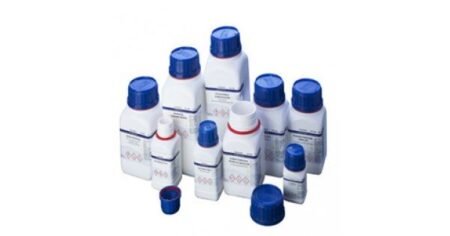
At eqipped, we understand the importance of quality reagents in scientific work. That’s why we source this formaldehyde solution from Loba Chemie, a trusted name in laboratory chemicals, to ensure you get a product that meets rigorous standards. The 500ml pack size offers convenience for both small-scale experiments and larger research projects.
Safety is paramount when working with formaldehyde. Always handle this solution in a well-ventilated area or under a fume hood, wearing appropriate personal protective equipment including gloves and goggles. Proper disposal methods should be followed according to your institution’s chemical waste protocols.
Key Applications
This buffered formaldehyde solution finds extensive use in various laboratory applications:
In histology labs, it serves as the primary fixative for preserving tissue samples before embedding and sectioning. The buffered pH prevents the formation of formalin pigment that can interfere with staining procedures. Microscopy applications benefit from its ability to maintain cellular integrity while allowing for clear visualization of structures.
Researchers in cell biology and pathology rely on this solution for immunocytochemistry and in situ hybridization techniques. The consistent formulation ensures reproducible results across experiments, which is crucial for publishing reliable data.
Educational institutions find this product particularly useful for student practicals in anatomy, physiology, and microbiology courses. Its stability and long shelf life make it a cost-effective choice for academic laboratories with varying usage patterns.
Why This Solution Stands Out
Unlike unbuffered formaldehyde solutions that can cause tissue hardening and artifacts, this buffered version maintains physiological pH levels that closely mimic living tissue conditions. This results in better preservation of cellular components and more accurate staining patterns.
The 10% concentration offers an optimal balance between effective fixation and minimal tissue damage. It’s strong enough to penetrate tissues quickly while being gentle enough to prevent excessive cross-linking that could mask antigens in immunohistochemical applications.
Loba Chemie’s manufacturing process ensures batch-to-batch consistency, which is critical for research projects that span months or years. Each bottle comes with proper labeling and safety information, making it easy to maintain laboratory compliance standards.
Storage and Handling Recommendations
Store this formaldehyde solution in a cool, dry place away from direct sunlight and heat sources. The original container should be kept tightly sealed when not in use to prevent evaporation and maintain solution integrity.
For long-term storage, consider transferring smaller working volumes to amber glass bottles to minimize light exposure. Always label secondary containers clearly with the contents, concentration, and date of transfer.
When handling, use chemical-resistant gloves and work in a properly ventilated area. In case of spills, contain the area immediately and clean up using appropriate absorbent materials. Never pour formaldehyde solutions down the drain.
Compatibility with Other Reagents
This buffered formaldehyde solution works well with most standard histological stains including hematoxylin and eosin. It’s compatible with common embedding media like paraffin and various resin systems used in electron microscopy.
For specialized applications, it can be combined with other fixatives like glutaraldehyde for electron microscopy or picric acid for certain histological techniques. Always test new combinations on control samples before applying to valuable specimens.
Safety Considerations
Important Safety Note: Formaldehyde is a hazardous chemical that requires careful handling. It is classified as a carcinogen and can cause skin irritation, respiratory issues, and eye damage. Always follow proper laboratory safety protocols when using this product.
Pregnant women and individuals with respiratory conditions should avoid handling formaldehyde solutions. In case of contact with skin or eyes, rinse immediately with plenty of water and seek medical attention if irritation persists.
FAQs
What is the shelf life of this buffered formaldehyde solution?
When stored properly in its original container at room temperature, this solution maintains its effectiveness for up to 24 months from the date of manufacture. Always check the expiration date on the label before use.
Can I use this solution for electron microscopy sample preparation?
While this solution works well for light microscopy, electron microscopy typically requires additional fixatives like glutaraldehyde for optimal results. You can use this formaldehyde solution as part of a dual fixation protocol.
How should I dispose of unused formaldehyde solution?
Formaldehyde waste should be collected in properly labeled containers and disposed of through authorized chemical waste disposal services. Never pour it down the drain or mix it with other laboratory waste.
Is this solution suitable for plant tissue fixation?
Yes, this buffered formaldehyde solution works well for plant tissue fixation. For best results with plant materials, you may want to combine it with acetic acid and ethanol in a FAA fixative solution.
What’s the difference between buffered and unbuffered formaldehyde solutions?
Buffered solutions maintain a stable pH that prevents tissue artifacts and formalin pigment formation. Unbuffered solutions can become acidic over time, potentially damaging delicate tissue structures and affecting staining quality.