Description
Specifications Table
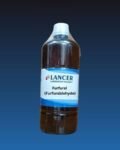
Product Name – Furfural (Furfuraldehyde) 500 ml
Quantity/Pack Size – 500 ml
Form – Liquid
Grade – Laboratory Grade
Application – Solvent, Organic Synthesis
Product Overview
Furfural, also known as Furfuraldehyde, is a versatile organic compound widely used in laboratories as a solvent and reagent. This high-purity, laboratory-grade liquid is derived from agricultural byproducts and is characterized by its pale yellow color and strong aldehyde odor. It serves as a key intermediate in the synthesis of various chemicals, including resins, plastics, and pharmaceuticals. Furfural is also employed in the extraction of minerals and as a selective solvent in petroleum refining. Its unique properties make it indispensable in analytical chemistry and organic synthesis. The product is supplied in a 500 ml pack, ensuring convenience for small to medium-scale laboratory applications. Proper handling and storage are recommended due to its reactivity and volatility. Furfural is compatible with most organic solvents but should be stored in a cool, well-ventilated area away from oxidizing agents. For researchers and chemists, this product offers reliability and consistency in experimental procedures.
FAQs
1. What is the primary use of Furfural (Furfuraldehyde)?
Furfural is primarily used as a solvent and reagent in organic synthesis, chemical analysis, and industrial applications.
2. Is this product compatible with other solvents?
Yes, Furfural is miscible with most organic solvents but should be tested for specific compatibility in your application.
3. What are the storage recommendations for Furfural?
Store in a tightly sealed container in a cool, dry, and well-ventilated area, away from direct sunlight and oxidizing agents.
4. Are there any alternatives to Furfural for similar applications?
Alternatives may include other aldehydes or solvents like acetone, but Furfural’s unique properties make it irreplaceable in certain reactions.
5. How is Furfural sourced?
Furfural is derived from agricultural byproducts such as corn cobs, sugarcane bagasse, and other lignocellulosic materials.