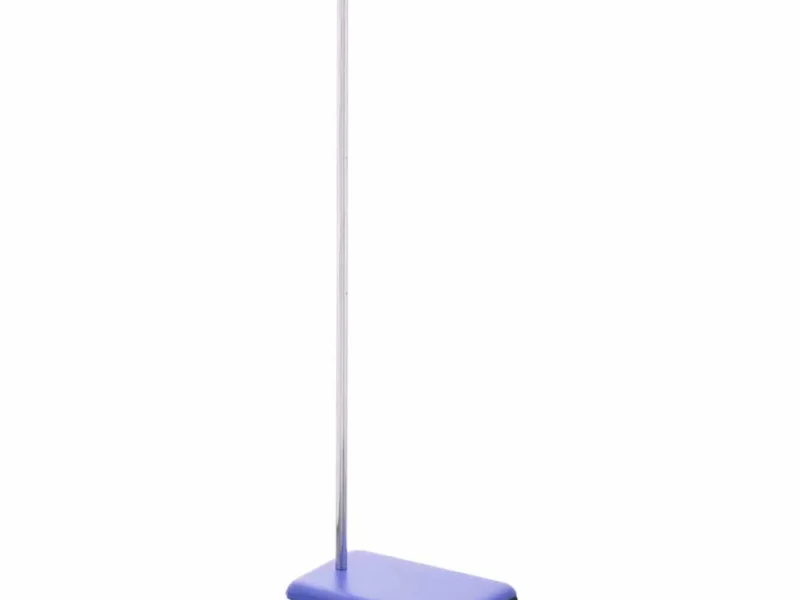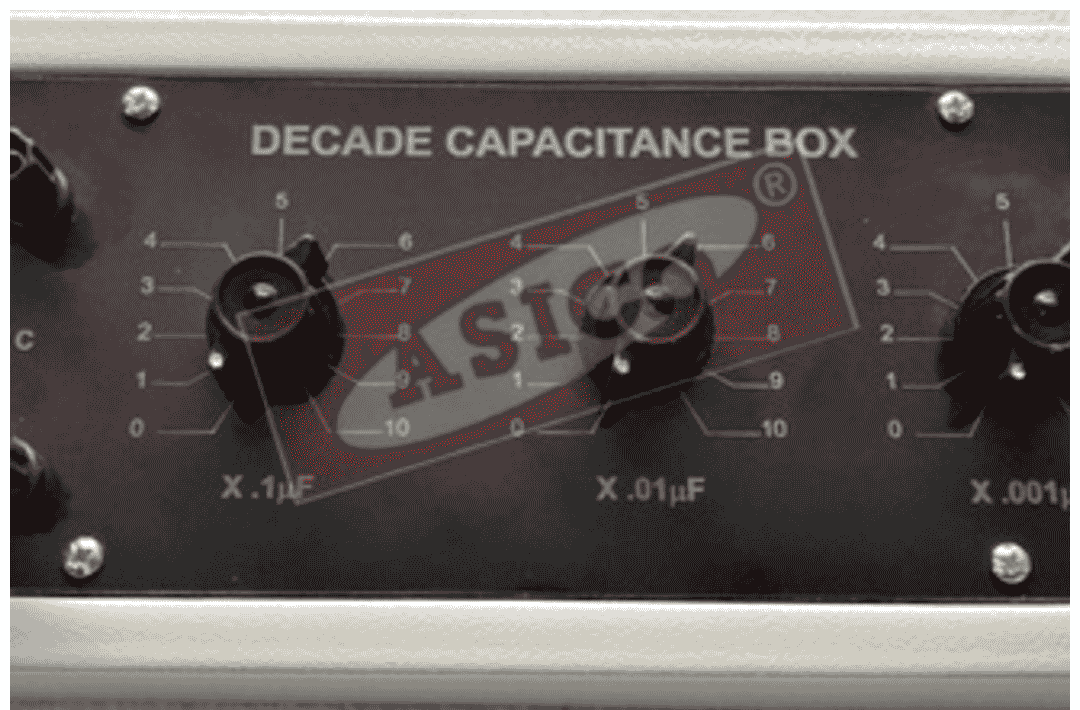
Description
Specifications Table
Material – High-grade copper alloy
Grade – Laboratory-grade
Application – Electrical resistance measurement, Wheatstone bridge circuits
Product Overview
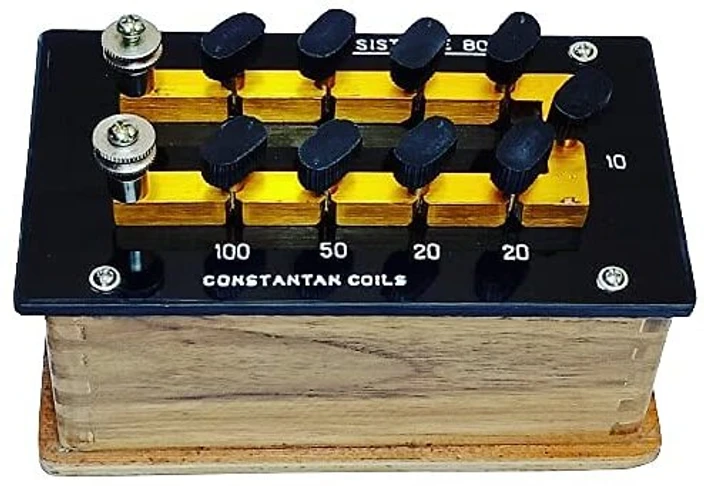
The Hay Bridge is a precision-engineered laboratory instrument designed for accurate electrical resistance measurements, particularly in Wheatstone bridge configurations. Constructed from high-grade copper alloy, it ensures minimal thermal expansion and superior conductivity, making it ideal for experiments requiring stable and reliable readings. The bridge is optimized for laboratory use, offering consistent performance across varying environmental conditions. Its robust design minimizes errors due to external interference, while the corrosion-resistant material extends its lifespan. Whether used in educational settings or research labs, this Hay Bridge delivers high precision without the need for additional accessories, simplifying setup and operation. The absence of moving parts reduces maintenance requirements, ensuring long-term reliability. Compatible with standard lab equipment, it integrates seamlessly into existing experimental setups, making it a versatile choice for professionals and students alike.
FAQs
1. What is the primary application of the Hay Bridge?
It is primarily used for measuring electrical resistance in Wheatstone bridge circuits, ensuring accurate and stable readings.
2. Can this Hay Bridge be used with standard lab power supplies?
Yes, it is compatible with most standard lab power supplies, provided the voltage and current ratings are within safe limits.
3. Are there any alternatives to the Hay Bridge for resistance measurement?
Alternatives include the Kelvin Bridge or digital multimeters, but the Hay Bridge offers higher precision for specific applications.
4. How should the Hay Bridge be stored when not in use?
Store it in a dry, dust-free environment to prevent corrosion and maintain its accuracy over time.
5. Is this Hay Bridge suitable for high-frequency measurements?
No, it is designed for low-frequency or DC resistance measurements and may not perform optimally at high frequencies.