Description
Specifications Table
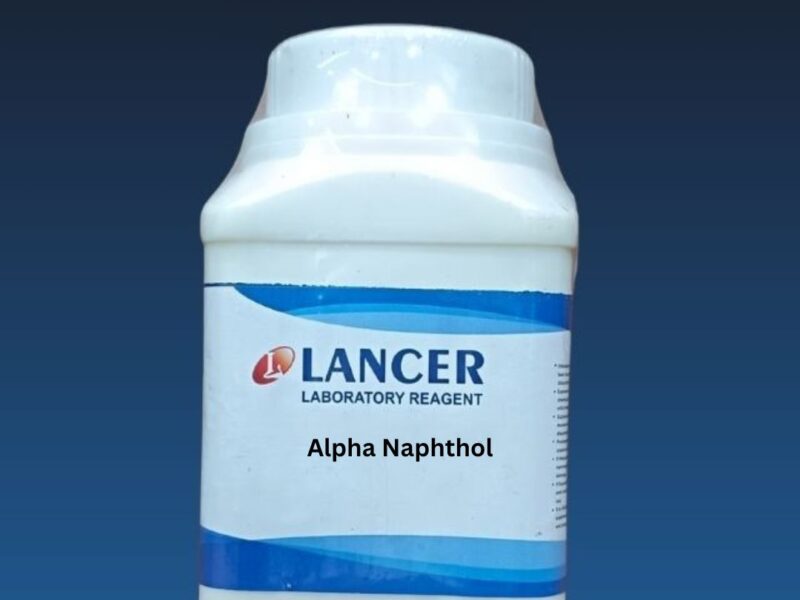
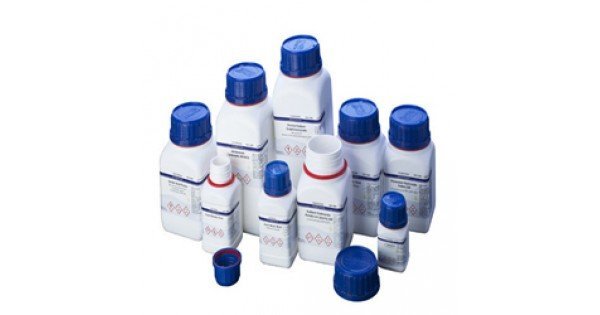
Product Name – HYDROXYLAMINE HYDROCHLORIDE LR Quantity/Pack Size – 100 g, 500 g Form – Crystalline powder Grade – LR Application – General laboratory use, organic synthesis, reducing agent
Product Overview
Hydroxylamine Hydrochloride LR offers a cost-effective solution for general laboratory applications requiring reducing agent properties. This laboratory reagent grade chemical provides reliable performance in various chemical transformations while maintaining economic feasibility for routine laboratory work. The crystalline powder form ensures easy handling and measurement for different experimental setups. While not meeting the stringent purity requirements of analytical grade reagents, LR grade Hydroxylamine Hydrochloride delivers consistent results in most standard laboratory procedures. Chemists commonly employ this compound in organic synthesis for reductions of aldehydes and ketones, preparation of oximes, and as a reagent in various condensation reactions. Its solubility in water and polar organic solvents makes it versatile for different reaction media. The LR grade designation indicates suitability for educational laboratories, research applications where ultra-high purity is not critical, and industrial processes requiring reducing agent properties. For optimal performance and extended shelf life, store in a cool, dry place away from moisture and incompatible substances.
FAQs
1. What are the main differences between LR and AR grade Hydroxylamine Hydrochloride?
LR grade contains higher levels of impurities compared to AR grade and is more suitable for general laboratory use rather than precise analytical applications.
2. Can this LR grade be used for quantitative analytical procedures?
While possible for some applications, the LR grade may introduce more variability in quantitative analysis due to potential impurities affecting reaction stoichiometry.
3. What is the typical moisture content in LR grade Hydroxylamine Hydrochloride?
LR grade typically contains slightly higher moisture content than higher purity grades, usually in the range of 0.5-1.5% by weight.
4. How does the reactivity of LR grade compare to higher purity grades?
The reactivity remains similar, though the presence of impurities in LR grade may affect reaction rates and yields in sensitive applications.
5. What are the recommended storage conditions to prevent degradation?
Store in tightly sealed containers in a cool, dry place away from direct sunlight and sources of heat to minimize moisture absorption and potential decomposition.