Description
Specifications Table
Product Name – iso-AMYL ALCOHOL 98% Extra Pure
Quantity/Pack Size – 500 ml, 1000 ml, 2500 ml
Form – Liquid
Grade – Extra Pure
Application – Solvent, synthesis, extraction, chromatography
Product Overview
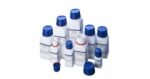
iso-AMYL ALCOHOL 98% Extra Pure is a high-quality, low-impurity solvent designed for critical laboratory applications. This clear, colorless liquid features a characteristic odor and boasts a purity level of 98%, ensuring minimal interference in sensitive procedures. Its low water content and controlled impurity profile make it particularly suitable for extraction processes, organic synthesis, and chromatographic techniques where consistency is paramount. The Extra Pure grade guarantees batch-to-batch reliability, eliminating variability that could compromise experimental outcomes. With a boiling point of approximately 132°C and miscibility in organic solvents, this reagent offers excellent versatility across different laboratory protocols. The product is packaged in high-density polyethylene containers to prevent contamination and evaporation, maintaining its integrity during storage. Its stability under normal laboratory conditions makes it a dependable choice for long-term use without degradation. The carefully controlled production process ensures compliance with standard laboratory reagent specifications, providing researchers with confidence in their results.
FAQs
1. What is the boiling point of iso-AMYL ALCOHOL 98% Extra Pure?
The boiling point is approximately 132°C, though slight variations may occur depending on atmospheric pressure.
2. Can this product be used as a substitute for other alcohols in extraction processes?
While it shares properties with other alcohols, its specific branching structure and purity level may affect extraction efficiency differently. Compatibility should be verified for each application.
3. How should this chemical be stored to maintain its purity?
Store in a tightly sealed original container at room temperature, away from direct sunlight and moisture. Keep separate from strong oxidizing agents.
4. What impurities are typically present in the remaining 2%?
The remaining 2% primarily consists of water and trace amounts of other amyl alcohol isomers, with exact composition varying between production batches.
5. Is this product compatible with standard laboratory glassware?
Yes, it is fully compatible with borosilicate glass and most common laboratory plastics, though prolonged exposure to some polymers should be avoided.