Description
Specifications Table
Product Name – L-Leucine 99% For Biochemistry
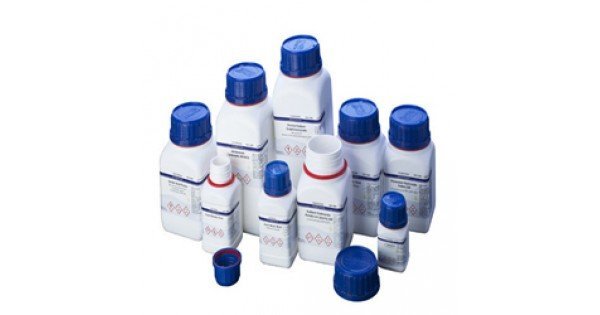
Quantity/Pack Size – 25 g, 100 g, 1000 g
Form – White crystalline powder
Grade – Biochemistry grade (99% purity)
Application – Protein synthesis, metabolic studies, cell culture
Product Overview
L-Leucine 99% is a high-purity, biochemistry-grade essential amino acid critical for protein synthesis and metabolic processes. As a branched-chain amino acid (BCAA), it plays a key role in cellular signaling pathways, muscle protein synthesis, and energy regulation. This lab-tested leucine powder is manufactured under stringent quality controls to ensure 99% purity, making it ideal for demanding biochemical applications. Its white crystalline form dissolves readily in aqueous solutions, offering excellent solubility for experimental protocols. The product undergoes rigorous testing to confirm low impurity levels, including minimal heavy metal content and microbial contamination. Packaged in airtight containers to prevent moisture absorption and oxidation, this leucine maintains stability under standard laboratory storage conditions. Researchers can rely on its consistent performance in enzymatic assays, cell culture media supplementation, and protein expression studies. The high purity level minimizes interference in sensitive analytical techniques like HPLC and mass spectrometry.
FAQs
1. What is the solubility of L-Leucine 99% in water?
L-Leucine 99% is moderately soluble in water (21.7 g/L at 25?C) and freely soluble in dilute hydrochloric acid solutions.
2. Can this leucine be used in cell culture media?
Yes, this biochemistry-grade L-Leucine is suitable for cell culture applications when used at appropriate concentrations.
3. What is the typical shelf life of this product?
When stored properly in a cool, dry place with the container tightly sealed, the product maintains stability for 3 years from the date of manufacture.
4. How does the purity of this leucine compare to food-grade versions?
This 99% pure biochemistry grade contains significantly fewer impurities than food-grade leucine, with strict controls on heavy metals and microbial content.
5. What precautions should be taken when handling this powder?
Use standard laboratory safety measures including gloves, goggles, and working in a well-ventilated area to avoid inhalation of fine particles.