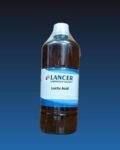
Description
Specifications Table
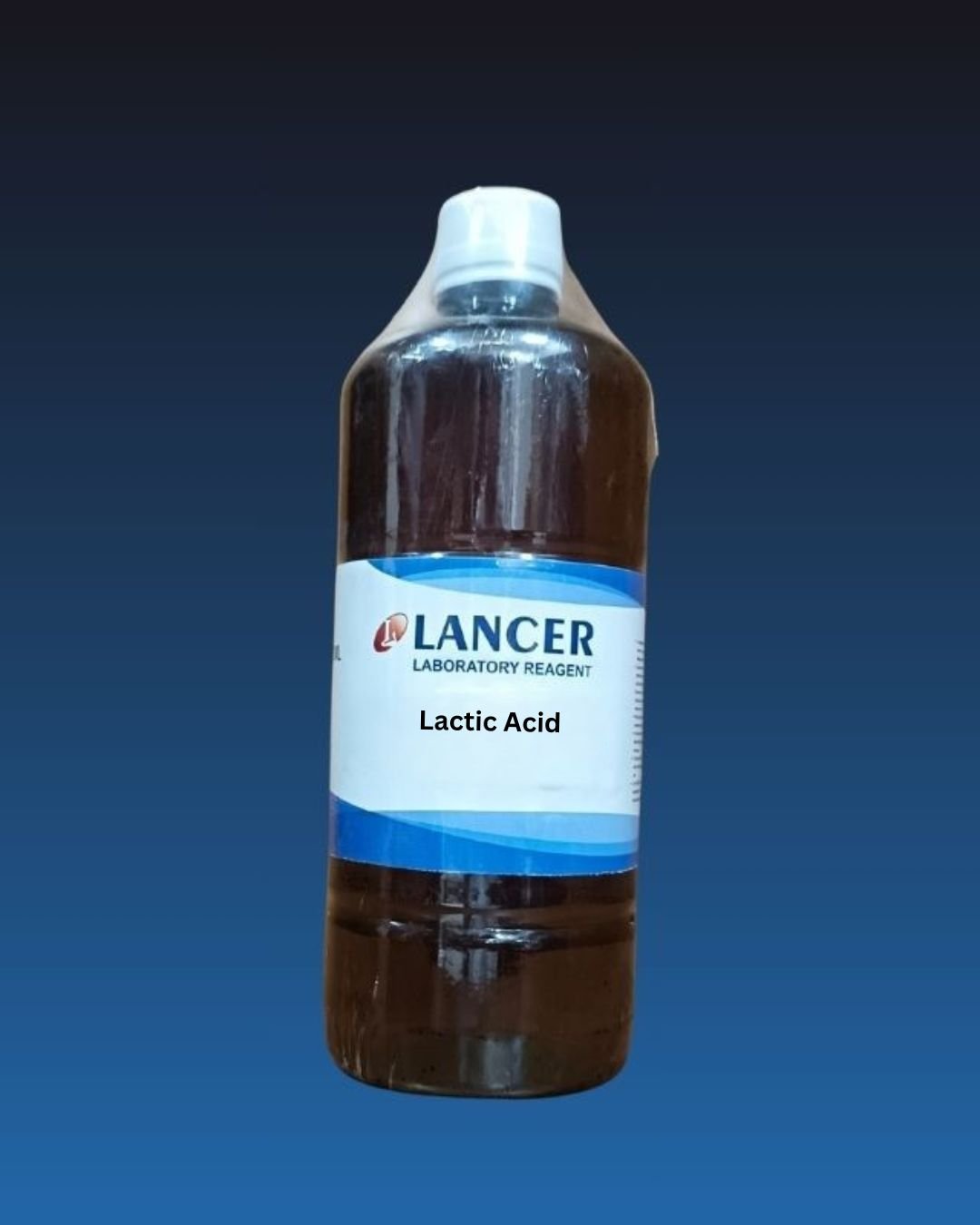
Product Name – Lactic Acid
Quantity/Pack Size – 500 ml
Form – Liquid
Grade – Food Grade
Application – Laboratory experiments, research, testing
Product Overview
Lactic acid is a versatile organic compound widely used in laboratory settings for its precise chemical properties. This high-purity, food-grade lactic acid is ideal for experiments requiring accurate pH adjustments, microbial studies, or biochemical reactions. Its liquid form ensures easy handling and precise measurements, making it a staple in research and educational labs. The product is carefully formulated to meet stringent quality standards, ensuring consistency and reliability in results. Whether used in titration processes, fermentation studies, or as a buffering agent, this lactic acid delivers exceptional performance. Its stability under controlled conditions makes it suitable for long-term storage without degradation. Researchers and educators rely on its purity to avoid contaminants that could skew experimental outcomes. The 500 ml pack size provides an optimal balance between quantity and convenience, reducing the need for frequent reordering while maintaining freshness. Equipped with proper safety measures, this lactic acid is a dependable choice for labs prioritizing accuracy and efficiency.
FAQs
1. What is the shelf life of this lactic acid?
When stored in a cool, dry place away from direct sunlight, this lactic acid has a shelf life of 24 months from the date of manufacture.
2. Is this lactic acid suitable for food-related experiments?
Yes, this lactic acid is food-grade and can be used in experiments involving food science, fermentation, or pH adjustments in edible formulations.
3. Can this lactic acid be used as a pH buffer?
Absolutely, its stable chemical composition makes it an effective buffering agent in various biochemical and microbiological applications.
4. What safety precautions should be taken while handling lactic acid?
Wear protective gloves and goggles to avoid skin or eye contact. Work in a well-ventilated area and follow standard lab safety protocols.
5. Are there any alternatives to lactic acid for similar applications?
Alternatives like citric acid or acetic acid may be used depending on the experiment, but lactic acid is preferred for its mild acidity and compatibility with biological systems.