Description
Specifications Table
Product Name – LEAD MONOXIDE 99% AR/ACS
Quantity/Pack Size – 250 g
Form – Powder
Grade – AR/ACS
Application – Chemical synthesis, analytical reagents
Product Overview
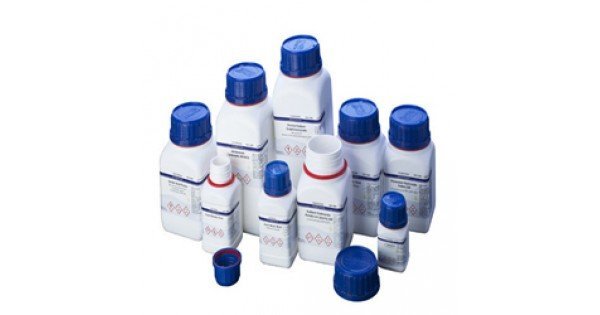
LEAD MONOXIDE 99% AR/ACS is a high-purity chemical compound designed for demanding laboratory applications. This fine yellow powder offers exceptional reactivity and stability, making it ideal for chemical synthesis and analytical procedures. The AR/ACS grade ensures minimal impurities, guaranteeing reliable and reproducible results in your experiments. Its consistent particle size distribution enhances solubility and reaction efficiency. This product is meticulously processed to meet stringent quality standards, ensuring batch-to-batch consistency. The lead monoxide maintains its integrity under various conditions, providing researchers with a dependable reagent for their work. Its versatility extends to multiple laboratory protocols, offering flexibility in experimental design. The product comes in secure packaging to prevent contamination and ensure safe handling. Whether used in small-scale reactions or larger preparations, this lead monoxide delivers consistent performance, making it a valuable addition to any laboratory inventory.
FAQs
1
What is the chemical formula of Lead Monoxide?
The chemical formula of Lead Monoxide is PbO, commonly known as lead(II) oxide. 2
Is this Lead Monoxide suitable for glass manufacturing?
While primarily intended for laboratory use, this high-purity Lead Monoxide can be used in specialized glass formulations due to its purity. 3
What precautions should be taken when handling Lead Monoxide?
Always wear appropriate personal protective equipment including gloves, goggles, and a lab coat when handling. Work in a well-ventilated area or fume hood. 4
How should Lead Monoxide be stored for long-term use?
Store in a tightly sealed container in a cool, dry place away from incompatible substances and moisture. 5
What is the difference between AR and ACS grades?
AR (Analytical Reagent) grade is high purity for general lab use, while ACS (American Chemical Society) grade meets stricter purity standards for critical applications.