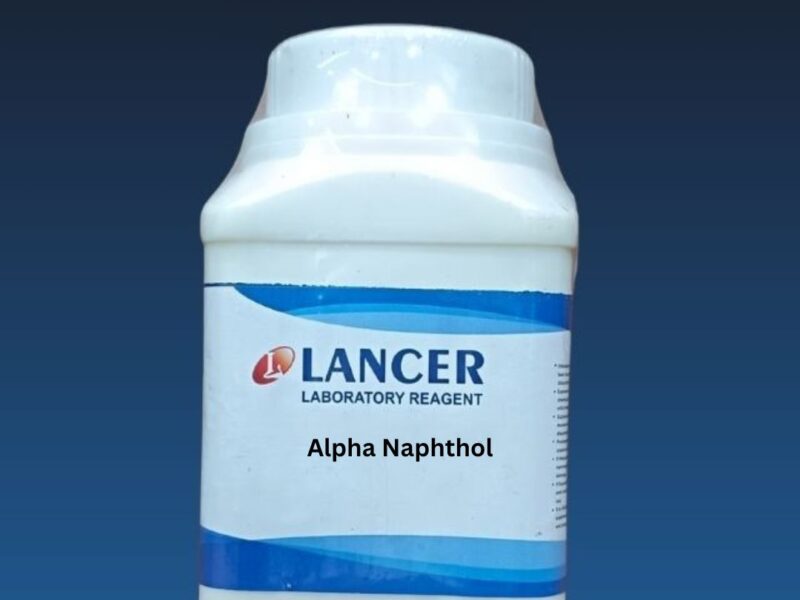
Description
Specifications Table
Product Name – Lithium perchlorate, anhydrous, ACS, 95.0% min
Quantity/Pack Size – 10g, 100g, 500g
Form – Powder
Grade – ACS
Application – Oxidizing agent, battery research, analytical chemistry
Product Overview
Lithium perchlorate, anhydrous, is a highly pure (95.0% min) ACS-grade chemical compound widely recognized for its strong oxidizing properties and low hygroscopicity. This white, crystalline powder is a preferred choice in laboratory settings due to its stability and reliability in demanding applications. Its anhydrous nature ensures minimal moisture interference, making it suitable for precise experiments where water content could compromise results. The compound is commonly utilized in electrochemical studies, battery research, and as a catalyst in organic synthesis. With its high solubility in polar solvents like water and ethanol, it offers versatility in various reaction mediums. The ACS-grade certification guarantees adherence to strict purity standards, ensuring consistent performance in analytical and research applications. Proper handling and storage are essential due to its oxidizing nature, and it should be kept in a cool, dry place away from incompatible substances to maintain its integrity.
FAQs
1. What is the shelf life of anhydrous lithium perchlorate?
When stored in a tightly sealed container under cool, dry conditions, anhydrous lithium perchlorate can retain its stability for up to 2-3 years. Exposure to moisture or heat may reduce its effectiveness over time.
2. Is this compound compatible with organic solvents?
Yes, lithium perchlorate is highly soluble in polar organic solvents such as ethanol, acetone, and acetonitrile, making it suitable for a wide range of organic synthesis applications.
3. Are there safer alternatives for less critical applications?
For applications where high oxidizing strength is not required, lithium chloride or lithium nitrate can be considered as less reactive alternatives, though they may not offer the same performance.
4. How should this chemical be disposed of safely?
Due to its oxidizing properties, lithium perchlorate should be disposed of in accordance with local hazardous waste regulations. Neutralization or controlled incineration may be required in some cases.
5. Can this product be used in battery electrolyte formulations?
Yes, anhydrous lithium perchlorate is often used in non-aqueous electrolyte solutions for lithium-ion batteries due to its high ionic conductivity and stability in organic solvents.