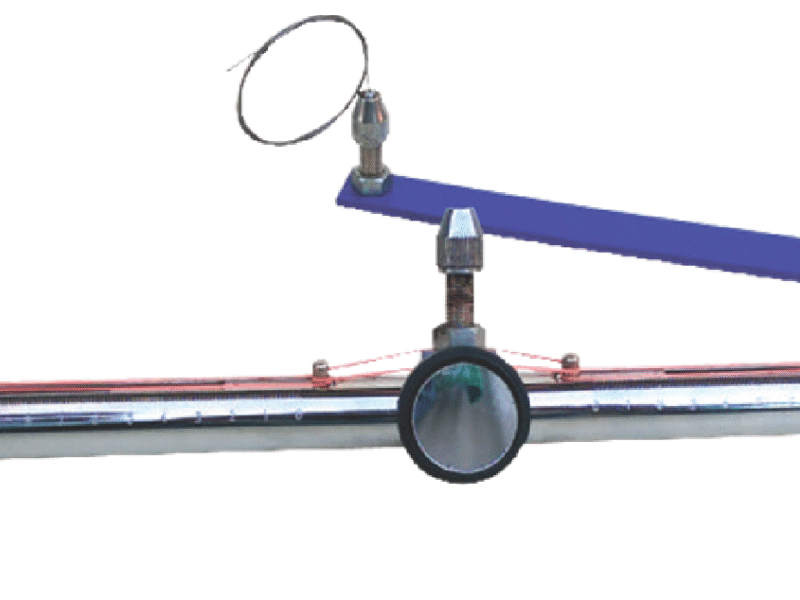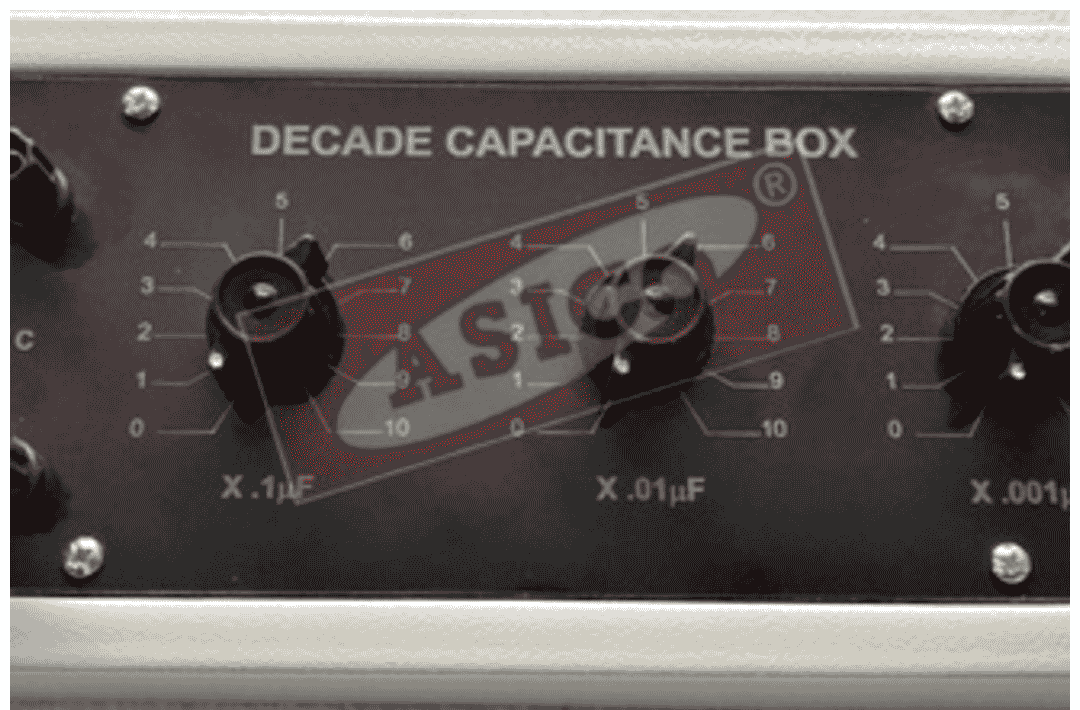
Description
Specifications Table
Product Material – High-quality metal and electronic components
Grade – Laboratory Grade
Application – Inductance measurement, electrical experiments
Product Overview
The Maxwell Inductance Bridge is a meticulously designed instrument for precise inductance measurements in laboratory settings. Built with high-grade materials, this bridge ensures durability and consistent performance, making it an essential tool for electrical experiments. The device operates on the principle of balancing inductive reactance against a known capacitance, providing accurate readings without the need for complex calibration. Its robust construction minimizes external interference, while the intuitive layout allows for easy adjustments and readings. Whether used for educational demonstrations or advanced research, this bridge delivers reliable results, helping users achieve their experimental goals with confidence. The absence of accessories ensures compatibility with a wide range of external components, offering flexibility in setup. Compact yet highly functional, it is ideal for environments where space and precision are critical. Invest in this Maxwell Inductance Bridge for a seamless and accurate measurement experience.
FAQs
1. What is the primary function of the Maxwell Inductance Bridge?
It is used to measure unknown inductance by comparing it against a known standard using a balanced bridge circuit.
2. Can this bridge be used for capacitance measurements?
No, this specific model is designed exclusively for inductance measurements and is not suitable for capacitance.
3. Are additional accessories required for operation?
This product is sold without accessories, so users may need to source compatible components like resistors or capacitors separately.
4. How should the Maxwell Inductance Bridge be stored when not in use?
Store it in a dry, dust-free environment away from direct sunlight and magnetic fields to maintain accuracy.
5. Is this bridge suitable for high-frequency applications?
It is optimized for standard laboratory frequencies; for high-frequency use, specialized equipment may be required.