Description
Specifications Table
| Product Name | Micro Hematocrite Rotor to Accommodate AR 24-75 HE | Remi |
|---|---|
| Pack Size | 24 capillaries of 75 mm × 1 mm, 12 capillaries |
| Form | Rotor for centrifuge |
| Grade | Laboratory-grade |
| Application | Hematocrit testing, blood sample analysis |
Product Description
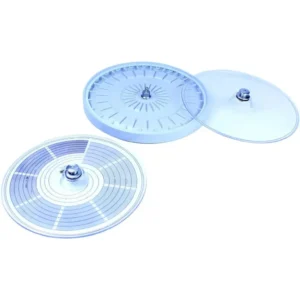
When it comes to accurate hematocrit testing, the right rotor makes all the difference. The Micro Hematocrite Rotor (AR 24-75 HE | Remi) is designed for precision, ensuring reliable results in clinical and research labs. Whether you’re a student, educator, or researcher, this rotor simplifies blood sample analysis with its durable construction and compatibility with standard centrifuges.
Built to fit the AR 24-75 HE centrifuge, this rotor accommodates both 24 capillaries (75 mm × 1 mm) and 12 capillaries, making it versatile for different sample volumes. The lab-grade material ensures longevity, even with frequent use, while the balanced design minimizes vibration for consistent performance.
At eqipped, we understand the importance of quality lab supplies. That’s why we offer this micro hematocrite rotor at competitive prices, ensuring you get the best value without compromising on accuracy. Upgrade your lab setup today—shop now for fast, reliable delivery!
Why This Rotor Stands Out
Not all hematocrit rotors are created equal. This model is engineered for stability, reducing the risk of sample leakage or uneven spinning. The precise capillary slots hold tubes securely, preventing breakage during high-speed centrifugation. For researchers and clinicians, this means fewer retests and more trustworthy data.
Students and educators will appreciate its ease of use. The rotor’s design allows for quick loading and unloading, saving time during practical sessions. Plus, its compatibility with the Remi AR 24-75 HE centrifuge—a staple in Indian labs—makes it a hassle-free addition to your equipment.
Applications in Real-World Labs
From medical diagnostics to veterinary research, this micro hematocrite rotor is a workhorse. Common uses include:
- Measuring packed cell volume (PCV) in blood samples
- Diagnosing anemia and polycythemia
- Monitoring hydration status in patients
- Conducting hematology experiments in academic settings
Its compact size also makes it ideal for small labs or fieldwork where space is limited. Whether you’re setting up a new lab or replacing an old rotor, this model delivers consistency every time.
Maintenance and Care
To extend the life of your micro hematocrite rotor, follow these simple steps:
- Clean the rotor after each use with a mild detergent and distilled water.
- Avoid abrasive scrubbers that could damage the surface.
- Store in a dry, dust-free environment to prevent corrosion.
- Inspect for cracks or wear before each use—replace if damaged.
Proper care ensures your rotor remains accurate and safe for years. For bulk orders or institutional purchases, eqipped offers tailored solutions to meet your lab’s needs.
FAQs
What is a micro hematocrite rotor used for?
A micro hematocrite rotor is used in centrifuges to spin blood samples, separating red blood cells from plasma to measure hematocrit levels (packed cell volume). It’s essential for diagnosing conditions like anemia.
Is this rotor compatible with other centrifuge models?
This rotor is specifically designed for the Remi AR 24-75 HE centrifuge. Using it with incompatible models may affect performance or safety. Always check your centrifuge’s manual for compatibility.
How many capillaries can this rotor hold?
The rotor accommodates 24 capillaries (75 mm × 1 mm) or 12 capillaries, depending on your testing requirements. This flexibility makes it suitable for both high-throughput and small-scale testing.
Can I buy this rotor in bulk for my institution?
Yes! eqipped offers bulk discounts for educational institutions, hospitals, and research labs. Contact our support team for customized quotes and delivery options.
What safety precautions should I take when using this rotor?
Always ensure the rotor is properly balanced before spinning. Avoid overloading capillaries, and wear gloves when handling blood samples. Follow your lab’s biosafety protocols to prevent contamination.