Description
Specifications
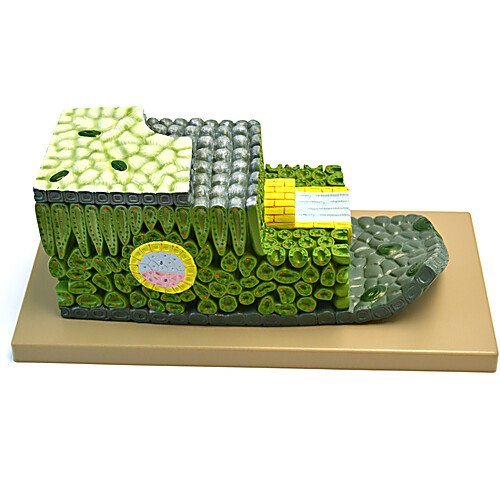
Product Name – Monocot Stem Model
Quantity/Pack Size – Single Unit
Form – Solid Model with Removable Sections
Grade – Laboratory Grade
Application – Stem Anatomy Observation, Vascular Bundle Study, Laboratory Reference
product overview
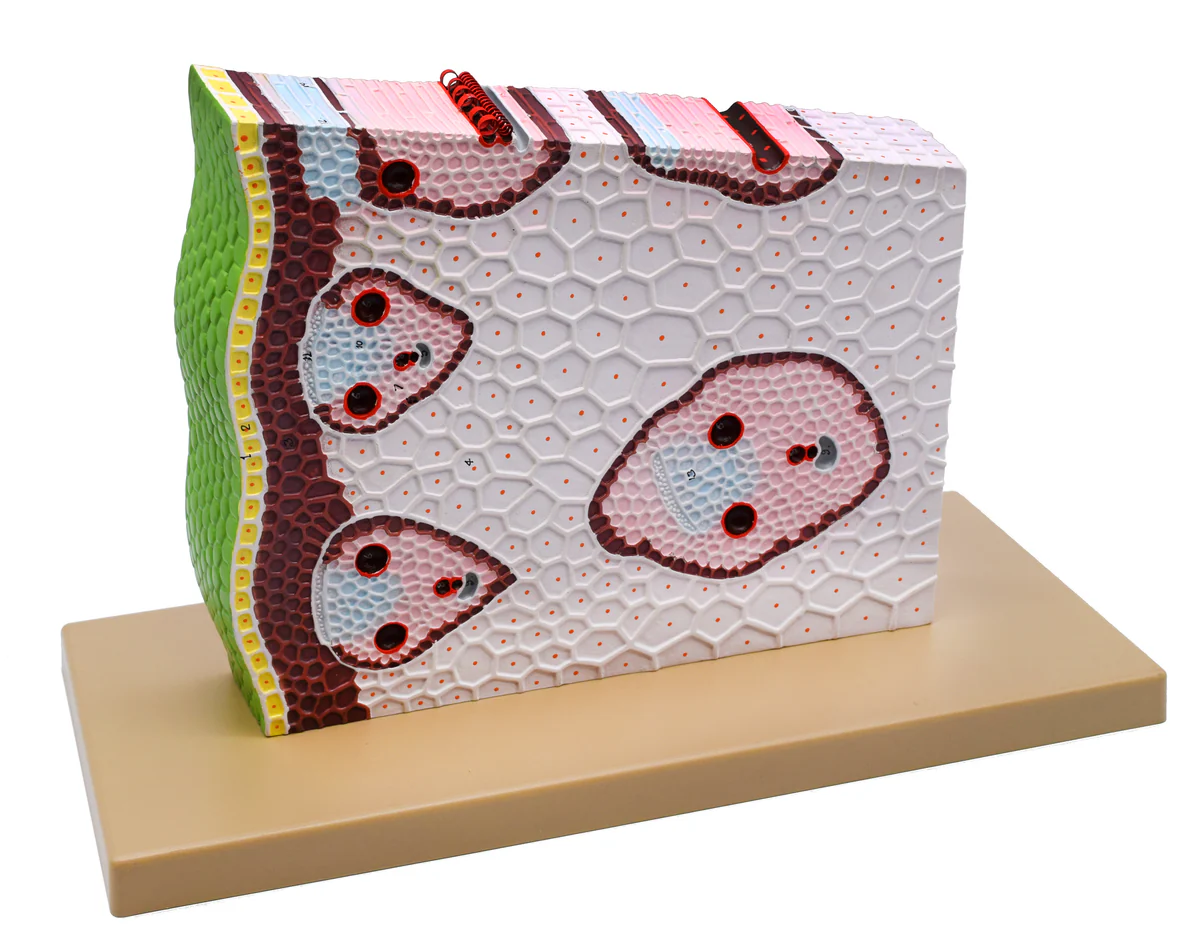
The Monocot Stem Model provides a precise anatomical representation of a typical monocotyledonous stem, displaying essential structures including epidermis, cortex, vascular bundles, phloem, and xylem arrangements. Constructed with durable, laboratory-grade materials, this model ensures long-lasting usability while withstanding repeated handling. Color-coded vascular bundles enhance clarity, allowing for accurate differentiation of xylem and phloem tissues. Removable sections enable thorough examination of internal tissue patterns without damaging the overall structure, facilitating hands-on observation of stem anatomy. The model preserves realistic proportions and fine detailing to highlight anatomical features effectively. Lightweight yet stable, it can be securely placed on laboratory benches or stands for safe interaction. Its modular design balances strength and functionality, permitting repeated inspection while maintaining delicate structural details. This Monocot Stem Model combines accuracy with practical usability, offering a comprehensive view of stem morphology, vascular organization, and tissue differentiation. It serves as a reliable tool for understanding monocot stem structure, internal tissue arrangements, and vascular distribution, making it suitable for laboratory setups, detailed anatomical demonstrations, and professional study collections.
FAQs
1. Can the internal vascular bundles be examined separately?
Yes, removable sections allow detailed observation of xylem and phloem arrangements.
2. Is this model compatible with standard laboratory display stands?
Yes, it is stable on typical lab surfaces and compatible with display stands for secure handling.
3. Are there alternative stem models for comparison?
Yes, dicot stem models and other plant species models are available for comparative study.
4. How should the model be stored to preserve its quality?
Store in a dry, clean area away from direct sunlight and extreme temperatures to maintain material integrity.
5. Can multiple units be purchased for laboratory demonstrations?
Yes, bulk orders are available to fulfill institutional or laboratory teaching requirements efficiently.