Description
Specifications Table
Product Name – n-Butyl Acetate 99.5% AR
Quantity/Pack Size – 500 ml, 2500 ml
Form – Liquid
Grade – AR (Analytical Reagent)
Application – Solvent, chromatography, extractions, coatings
Product Overview
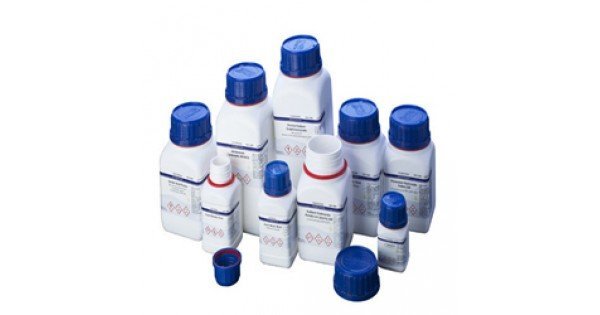
n-Butyl Acetate 99.5% AR is a high-purity solvent widely used in laboratories for its excellent solvency properties and low moisture content. This analytical reagent (AR) grade ensures minimal impurities, making it suitable for precise applications like thin-layer chromatography, liquid-liquid extractions, and industrial formulations. Its balanced evaporation rate and compatibility with organic compounds make it a preferred choice for researchers requiring consistent results. The solvent is stable under standard lab conditions, with a characteristic fruity odor that aids in easy identification. Packaged in leak-proof bottles, it guarantees safe handling and long-term storage without degradation. Whether used as a standalone solvent or in mixtures, its high purity ensures reproducibility in experiments, reducing the risk of contamination or side reactions.
FAQs
1. What is the evaporation rate of n-Butyl Acetate 99.5% AR compared to other solvents?
n-Butyl Acetate evaporates slower than ethyl acetate but faster than isobutyl acetate, offering a moderate drying time ideal for coatings and extractions.
2. Can this solvent be used in HPLC or GC applications?
While primarily used in general chromatography, its AR grade purity makes it suitable for preparative HPLC or GC when further purified or distilled if required.
3. Is n-Butyl Acetate compatible with plastic containers for storage?
It can degrade certain plastics over time; store in glass or HDPE containers to prevent leaching or container damage.
4. What safety precautions should be taken while handling this solvent?
Use in a well-ventilated area, wear gloves and goggles, and avoid inhalation or skin contact due to its mild irritant properties.
5. Are there alternatives to n-Butyl Acetate for similar applications?
Ethyl acetate or isopropyl acetate can be alternatives, but they differ in polarity and evaporation rates, which may affect results.
—