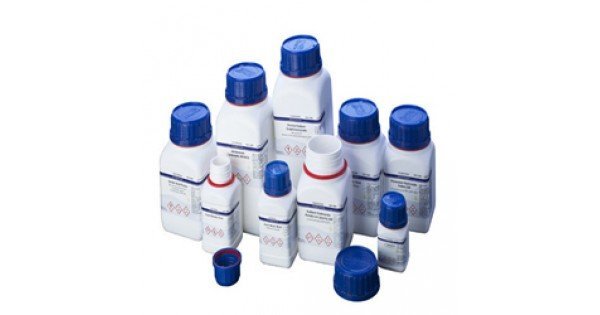
Description
Specifications Table
Product Name – N,N-DIETHYLANILINE 99% AR
Quantity/Pack Size – 500 ml
Form – Liquid
Grade – AR (Analytical Reagent)
Application – Organic synthesis, research
Product Overview
N,N-Diethylaniline 99% AR is a high-purity analytical reagent-grade solvent widely used in organic synthesis and laboratory research. This colorless to pale yellow liquid offers excellent solubility properties, making it a preferred choice for reactions requiring a stable, non-reactive medium. Its high purity ensures minimal impurities, reducing the risk of side reactions and improving experimental reproducibility. The AR grade designation guarantees compliance with stringent quality standards, making it suitable for precise analytical applications. With a boiling point of approximately 216°C and a density of 0.938 g/mL, this compound provides consistent performance across various experimental conditions. Its chemical stability and low volatility further enhance its utility in prolonged reactions. Whether used as a solvent, reagent, or intermediate, N,N-Diethylaniline 99% AR delivers reliable results for demanding laboratory procedures.
FAQs
1
What is the shelf life of N,N-Diethylaniline 99% AR?
When stored in a cool, dry place away from direct sunlight and moisture, the product remains stable for up to 2 years from the date of manufacture. 2
Is this product compatible with glass containers?
Yes, N,N-Diethylaniline 99% AR is compatible with standard borosilicate glass containers, which are recommended for storage to prevent contamination. 3
Are there any alternatives to N,N-Diethylaniline for similar applications?
Alternatives include N,N-Dimethylaniline or other secondary amines, though their reactivity and solubility profiles may differ based on the specific application. 4
What precautions should be taken while handling this chemical?
Always wear protective gloves, goggles, and a lab coat. Work in a well-ventilated area or under a fume hood to avoid inhalation of vapors. 5
How should N,N-Diethylaniline 99% AR be disposed of?
Dispose of according to local chemical waste regulations. Do not pour down drains or discard in regular trash. Consult your institution’s safety guidelines for proper disposal methods.