Description
Specifications Table
Product Name – N,O-BIS-(TRIMETHYLSILYL) TRIFLUORO ACETAMIDE (BSTFA) 98%
Quantity/Pack Size – 25 ml, 100 ml
Form – Liquid
Grade – Reagent Grade (98%)
Application – Derivatization in GC-MS, silylation of polar compounds
Product Overview
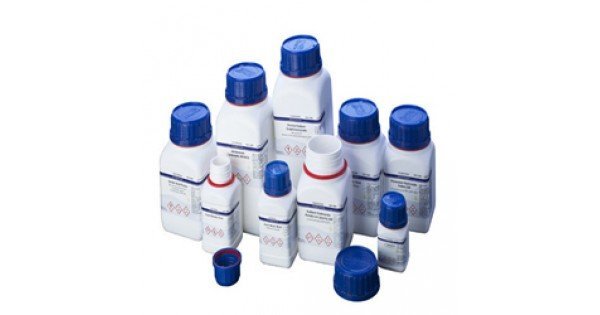
N,O-BIS-(TRIMETHYLSILYL) TRIFLUORO ACETAMIDE (BSTFA) 98% is a high-purity silylation reagent designed for derivatization in gas chromatography-mass spectrometry (GC-MS). This reagent efficiently converts polar functional groups (e.g., alcohols, amines, carboxylic acids) into trimethylsilyl (TMS) derivatives, enhancing volatility and thermal stability for accurate analysis. The 98% purity ensures minimal interference from impurities, making it ideal for sensitive applications where precision is critical. BSTFA reacts rapidly under mild conditions, reducing sample preparation time while maintaining reproducibility. Its low moisture content prevents side reactions, ensuring consistent derivatization yields. The reagent is compatible with most organic solvents and can be used directly or in combination with catalysts like TMCS (trimethylchlorosilane) for enhanced reactivity. Stored in airtight amber glass bottles, BSTFA remains stable under recommended conditions, preserving its efficacy for long-term lab use. Whether used for routine analyses or complex research, this reagent delivers reliable performance for demanding chromatographic applications.
FAQs
1. What is the shelf life of BSTFA 98% when stored properly?
When stored in a cool, dry place away from moisture and direct sunlight, BSTFA 98% typically retains its efficacy for 12–24 months from the date of manufacture. Always check the bottle for the exact expiry date.
2. Can BSTFA be used without a catalyst like TMCS?
Yes, BSTFA can function as a standalone derivatization reagent for many compounds, though adding 1% TMCS may improve reactivity for sterically hindered or less reactive functional groups.
3. Is this BSTFA grade suitable for LC-MS applications?
No, BSTFA is specifically formulated for GC-MS derivatization due to its volatility. For LC-MS, consider alternative reagents like trifluoroacetic anhydride (TFAA) or other non-volatile derivatizing agents.
4. How should BSTFA waste be disposed of?
BSTFA waste should be collected in a designated solvent waste container and disposed of according to local hazardous waste regulations. Avoid pouring it down drains or mixing it with incompatible chemicals.
5. Does BSTFA react with water or atmospheric moisture?
Yes, BSTFA hydrolyzes rapidly in the presence of water or humidity, forming hexamethyldisiloxane (HMDS) and trifluoroacetic acid. Always handle it under inert conditions and reseal the bottle tightly after use.