Description
Specifications Table
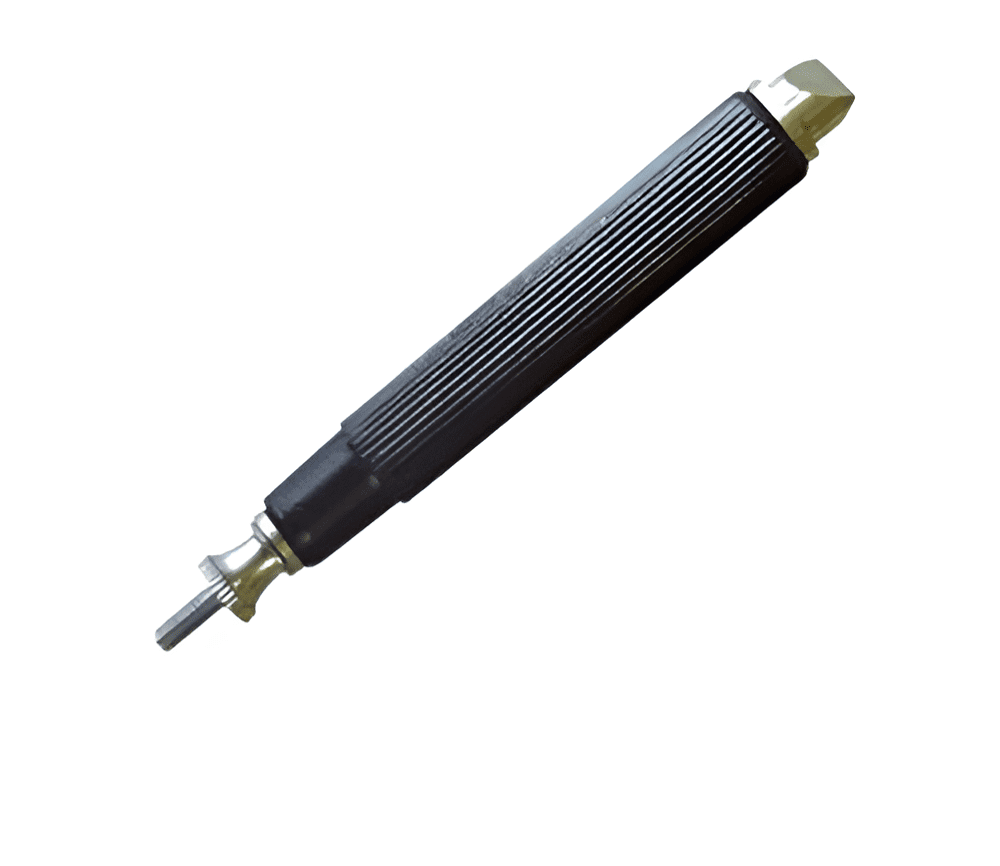
Product Name – Pencil Jockey
Quantity/Pack Size – Single Piece
Form – Electrical Connector Tool
Grade – Laboratory Grade
Application – Circuit connection, resistance measurement, physics experiments
Product Overview
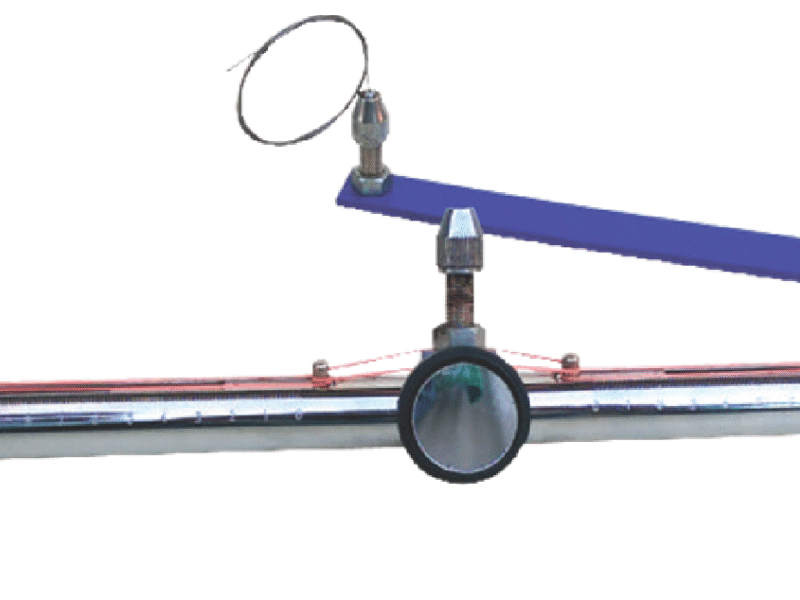
The pencil jockey is a small but essential physics laboratory tool designed for accurate circuit connections and resistance experiments. It is commonly used in electricity and electronics practicals, making it a vital accessory for students, teachers, and researchers. With a sturdy build and easy handling, it simplifies experimental setups, ensuring smooth current flow and reliable results in laboratory conditions.
Academic Use
In schools and colleges, pencil jockeys are frequently used in physics practicals to teach students about current flow, Ohm’s law, and resistance. They make circuit connections quick, safe, and accurate, ensuring hands-on learning for beginners.
Industrial Use
Though primarily an academic instrument, pencil jockeys are sometimes used in small-scale electronics workshops for educational demonstrations and training purposes.
Institutional Use
Research institutes and teacher training centers rely on pencil jockeys for basic circuit demonstrations and classroom training, supporting effective teaching of electrical principles.
FAQs
What is the main use of a pencil jockey?
It is mainly used to establish circuit connections in physics experiments involving electricity and resistance.
Is this suitable for school physics labs?
Yes, it is a standard accessory for school and college physics laboratories.
Can the pencil jockey be used for advanced electronics?
It is best suited for educational purposes and simple circuit experiments, not for industrial-grade electronics.
How should the pencil jockey be handled?
It should be connected carefully to wires and circuits to avoid loose connections and ensure smooth current flow.
What material is the pencil jockey made of?
It is generally made of durable metal with an insulated holder for safe handling in classroom experiments.