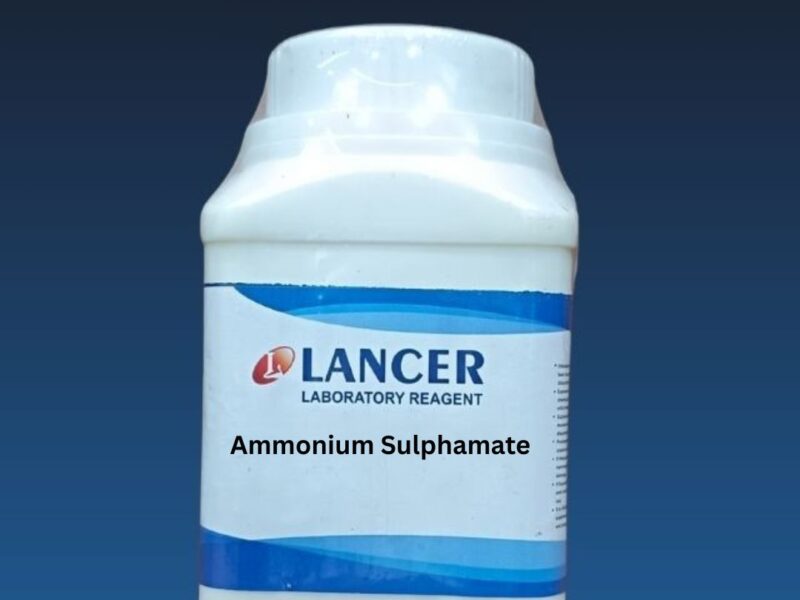
Description
Specifications Table
Product Name – PIPES, 98.5+%, for biochemistry
Quantity/Pack Size – 25GR, 100GR, 500GR, 2.5KG
Form – Powder
Grade – Biochemistry Grade
Application – Buffering agent in biochemistry, cell culture, and molecular biology
Product Overview
PIPES (Piperazine-N,N’-bis(2-ethanesulfonic acid)) is a high-purity buffering agent with a purity of 98.5% or higher, specifically formulated for biochemistry applications. Its zwitterionic nature ensures minimal interference with biological systems, making it a preferred choice for experiments requiring precise pH control. This buffer maintains stability across a wide pH range (6.1–7.5), particularly effective in cell culture, protein studies, and enzymatic reactions. The powder form allows for easy dissolution and custom concentration adjustments, catering to diverse experimental needs. Its low reactivity with metal ions and compatibility with most biological assays further enhance its reliability. Whether used in electrophoresis, chromatography, or general lab protocols, this PIPES buffer delivers consistent performance, ensuring reproducible results in critical research workflows.
FAQs
1. What is the ideal pH range for PIPES buffer?
PIPES is most effective between pH 6.1 and 7.5, making it suitable for physiological studies and enzyme assays.
2. Can PIPES be used in cell culture media?
Yes, PIPES is commonly used in cell culture to maintain stable pH conditions without toxicity.
3. How should PIPES powder be stored for long-term use?
Store in a cool, dry place in a tightly sealed container to prevent moisture absorption and degradation.
4. Is this PIPES buffer compatible with metal-sensitive assays?
Yes, PIPES has low metal ion chelation, reducing interference in assays involving metals.
5. What alternatives exist if PIPES is unavailable?
HEPES or MOPS buffers can be alternatives, though their pH ranges and applications may differ slightly.