Description
Specifications
Product Name – Plant Cell Model
Quantity/Pack Size – Single Unit
Form – Solid 3D Replica, Color-Coded
Grade – Laboratory Grade
Application – Cellular Structure Visualization, Morphology Study, Botanical Laboratory Use
product overview
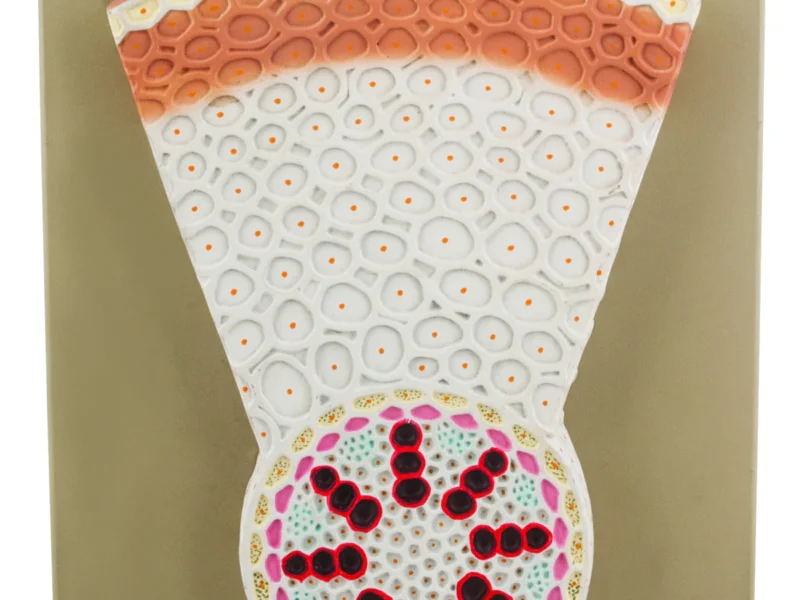
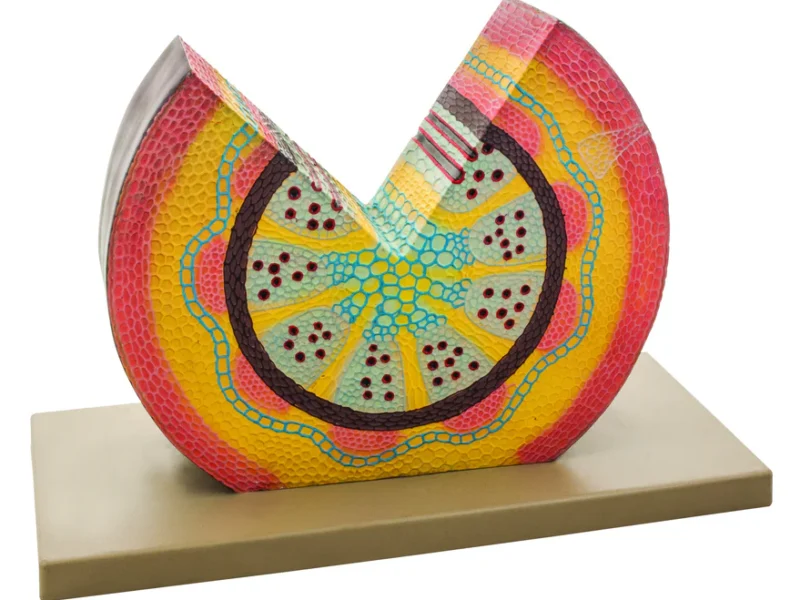
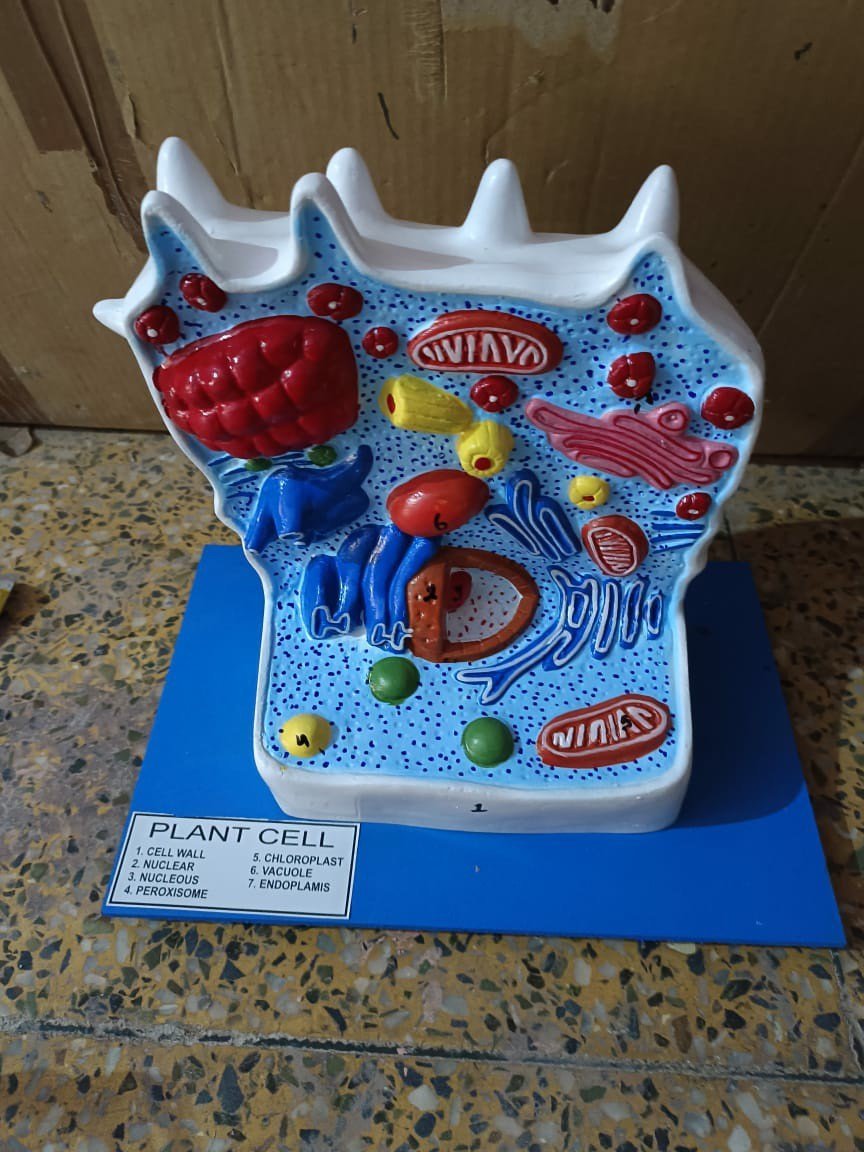
The Plant Cell Model provides a precise and detailed three-dimensional representation of a plant cell, highlighting essential organelles and structural features. Crafted from laboratory-grade materials, the model is durable, allowing repeated handling without degradation. Color-coded components include the nucleus, chloroplasts, mitochondria, cell wall, vacuole, endoplasmic reticulum, and cytoplasm, facilitating clear identification and differentiation of cellular structures. The spatial arrangement of organelles is designed to illustrate natural positioning within the cell, enabling comprehensive visualization of intracellular organization. Each organelle is accurately shaped and positioned to reflect real cellular morphology, emphasizing relationships between components. The model also demonstrates structural complexity such as the double membrane of chloroplasts, vacuolar boundaries, and nuclear envelope, providing a complete overview of plant cellular architecture. Its stable base ensures secure display and convenient handling during observation, while removable parts allow detailed inspection of internal structures. This model combines durability, accuracy, and clarity, serving as a reliable tool for laboratory-based visualization, structural demonstration, and practical exploration of plant cell morphology.
FAQs
1. Does the model include all major plant cell organelles?
Yes, it includes nucleus, chloroplasts, mitochondria, vacuole, cytoplasm, cell wall, and other key organelles for complete visualization.
2. Can this model be used alongside animal cell models?
Yes, it is compatible for comparative studies with animal cell models to observe structural differences.
3. Are smaller or simplified plant cell models available?
Yes, alternative models with focus on specific organelles or simplified structure are available for targeted study.
4. How should the model be stored when not in use?
Store in a clean, dry place away from direct sunlight and extreme temperatures to preserve color and material integrity.
5. Is it possible to order multiple units for laboratory use?
Yes, bulk orders are supported for classrooms, laboratories, and educational institutions requiring multiple models.