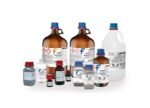
Description
Specifications Table
Product Name – Sodium ingot, 99.8% (metals basis) *5x450g, 450g
Quantity/Pack Size – 5x450g, 450g
Form – Solid ingot
Grade – 99.8% (metals basis)
Application – Chemical synthesis, reduction reactions, analytical testing
Product Overview
This 99.8% pure sodium ingot is a high-grade metallic element designed for laboratory applications where precision and reactivity are critical. The ultra-low impurity profile ensures minimal interference in sensitive reactions, making it suitable for processes requiring consistent performance. Each ingot is produced under controlled conditions to maintain uniformity in composition and physical properties. The high metal basis purity (99.8%) guarantees reliable results in reduction reactions, organic synthesis, and other chemical procedures. The solid ingot form provides ease of handling while minimizing oxidation risks during storage. Proper handling protocols should be followed due to sodium’s highly reactive nature with moisture and air. This product is packaged to preserve its purity and prevent contamination, ensuring it remains in optimal condition until use. The standardized packaging options (5x450g and 450g) cater to both small-scale experiments and bulk requirements, offering flexibility for different laboratory needs.
FAQs
1. What is the typical shelf life of this sodium ingot when stored properly?
When stored in an airtight container under mineral oil or inert gas, the sodium ingot maintains its purity for 12-18 months from the date of manufacture.
2. Can this sodium ingot be used for reactions requiring anhydrous conditions?
Yes, the 99.8% purity level and low moisture content make it suitable for anhydrous reactions when handled in a moisture-free environment.
3. What precautions should be taken when cutting this sodium ingot?
Always cut under mineral oil using a sharp knife, wear protective gear, and perform the operation in a fume hood to prevent oxidation and potential fires.
4. Is this sodium ingot compatible with standard laboratory glassware?
While chemically compatible, sodium’s reactivity with glass at high temperatures may cause etching; use borosilicate glassware for better resistance.
5. How does this compare to sodium wire in terms of reactivity?
The ingot form has lower surface area than wire, resulting in slightly slower initial reaction rates but offering better storage stability and easier portion control.