Description
Specifications Table
Product Material – Stainless steel and copper
Grade – Laboratory-grade
Application – Thermal regulation, heat transfer studies, temperature control experiments
Product Overview
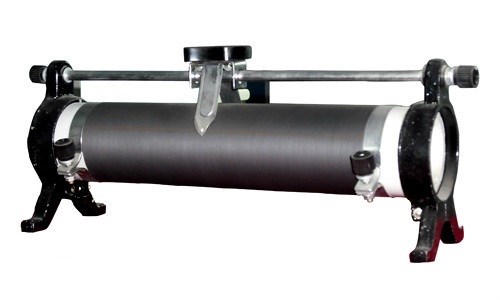
The Thermostat Characteristics Apparatus is an essential tool for conducting precise thermal experiments in physics and engineering laboratories. Constructed from high-quality stainless steel and copper, this apparatus ensures durability and accurate temperature regulation, making it ideal for long-term use in educational and research settings. The device is designed to maintain consistent thermal conditions, allowing users to study heat transfer, thermal conductivity, and temperature control with high precision. Its robust build minimizes thermal losses, ensuring reliable data collection for experiments requiring stable temperature environments. The apparatus is easy to set up and compatible with standard lab equipment, making it a versatile addition to any physics or thermal dynamics lab. Whether used for basic thermal studies or advanced research, this thermostat apparatus delivers consistent performance, helping users achieve accurate and repeatable results in their experiments.
FAQs
1. What materials are used in the construction of this thermostat apparatus?
The apparatus is made from stainless steel and copper, ensuring durability and efficient heat transfer for reliable thermal experiments.
2. Can this apparatus be used for both heating and cooling experiments?
Yes, the thermostat apparatus is designed to regulate temperature for both heating and cooling applications, making it versatile for various thermal studies.
3. Is this apparatus compatible with standard lab power supplies?
The thermostat apparatus is designed to work with most standard laboratory power supplies, ensuring easy integration into existing setups.
4. How should this thermostat apparatus be stored when not in use?
Store the apparatus in a dry, dust-free environment to prevent corrosion and maintain its precision. Avoid exposure to extreme temperatures or humidity.
5. Are there alternative models available for different temperature ranges?
While this model covers a standard temperature range, alternative thermostat apparatuses with extended temperature capabilities may be available based on specific experimental requirements.