Description
Specifications Table
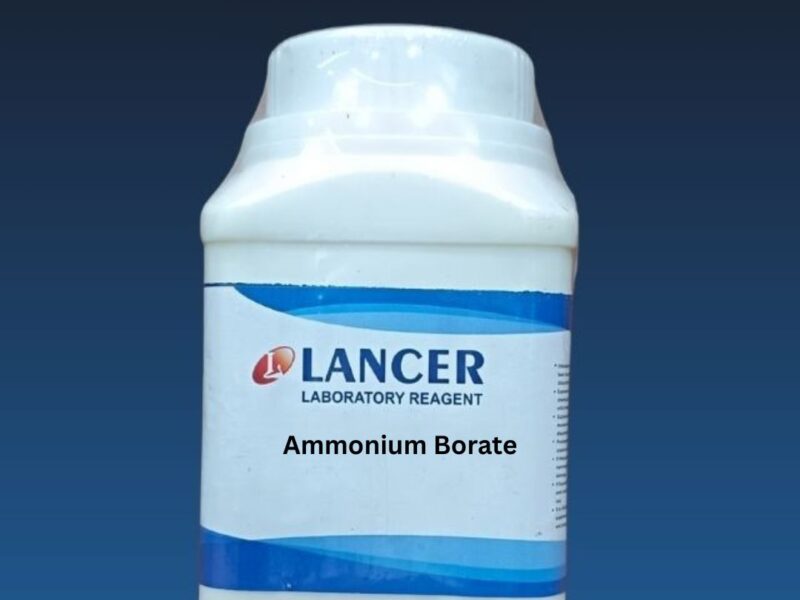
Product Name – Tin(II) chloride dihydrate, 98%
Quantity/Pack Size – 2500g, 500g, 100g
Form – Crystalline powder
Grade – Laboratory grade, 98% pure
Application – Reducing agent, chemical synthesis, analytical reagent
Product Overview
Tin(II) chloride dihydrate, with a purity of 98%, is a highly effective reducing agent widely used in laboratory settings for chemical synthesis and analytical applications. This crystalline powder exhibits excellent solubility in water and alcohol, making it ideal for preparing solutions with precise concentrations. Its reducing properties are particularly valuable in redox reactions, where it helps facilitate electron transfer processes. The compound is stable under normal storage conditions but should be handled with care to avoid moisture exposure, which can lead to hydrolysis. Due to its high purity, this reagent ensures consistent and reliable results in experiments, minimizing impurities that could affect outcomes. Whether used in qualitative analysis or as a precursor in organic synthesis, tin(II) chloride dihydrate offers versatility and dependability for a range of laboratory procedures.
FAQs
1.
What is the shelf life of tin(II) chloride dihydrate?
The shelf life is typically 2-3 years when stored in a cool, dry place in a tightly sealed container to prevent moisture absorption. 2.
Is this compound compatible with organic solvents?
Yes, it is soluble in water and alcohol, but compatibility with other organic solvents should be verified based on specific experimental requirements. 3.
Are there any alternatives to tin(II) chloride dihydrate for reducing applications?
Alternatives include sodium borohydride or ascorbic acid, but the choice depends on the specific reaction conditions and desired outcomes. 4.
How should this chemical be stored to maintain its purity?
Store in an airtight container away from moisture and direct sunlight, preferably in a desiccator or with silica gel packets. 5.
Can this product be used in electrochemical applications?
Yes, it is commonly employed in electroplating and other electrochemical processes due to its reducing properties.