Description
Specifications Table
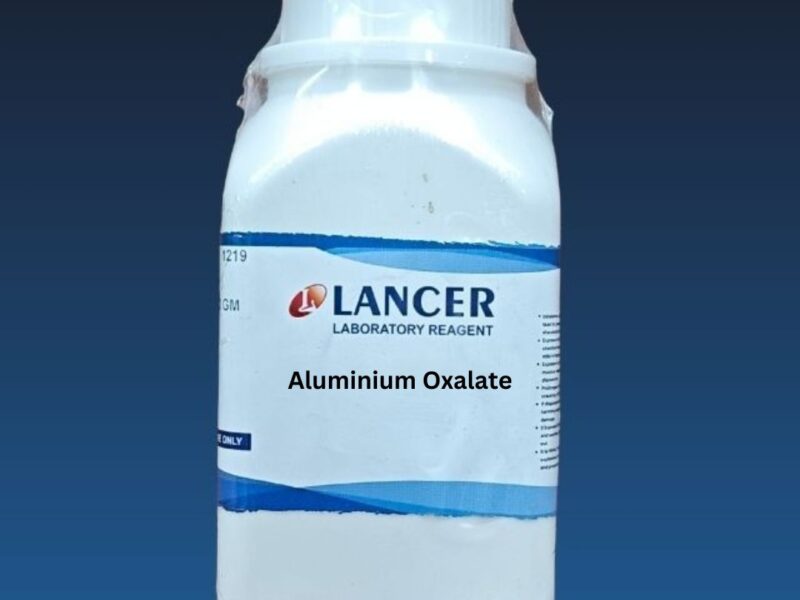
| Product Name | Tricine Buffer Reagent Grade, 99% |
|---|---|
| Pack Size | 500 Gms |
| Form | Powder |
| Grade | Reagent Grade |
| Application | Electrophoresis, Protein Research, Biochemical Assays |
Product Description
When it comes to reliable buffers for electrophoresis and protein research, Tricine Buffer Reagent Grade (99%) stands out as a top choice for labs across India. Whether you’re a student setting up your first gel or a seasoned researcher optimizing protein separation, this high-purity buffer ensures consistent results every time.
Tricine, or N-Tris-(Hydroxymethyl) Methylglycine, is a zwitterionic buffer widely used in SDS-PAGE for low-molecular-weight proteins. Its unique chemical structure provides superior resolution compared to traditional glycine-based systems, making it indispensable in molecular biology labs. The reagent grade purity (99%) guarantees minimal interference in sensitive assays, so you can trust your data without second-guessing buffer quality.
At eqipped, we understand that lab supplies need to be both high-quality and accessible. That’s why we’ve made it easy to buy Tricine Buffer online with fast shipping to your doorstep. No more last-minute rushes to local suppliers or compromising on purity—just reliable performance when you need it most.
Upgrade your electrophoresis setup today. Shop Tricine Buffer Reagent Grade at eqipped and experience the difference precision makes.
Why Tricine Buffer is Essential for Your Lab
If you’ve ever struggled with smudged bands or inconsistent protein separation, the buffer system might be the culprit. Tricine Buffer excels in scenarios where traditional buffers fall short:
1. Low-Molecular-Weight Protein Resolution
Unlike glycine, Tricine’s smaller size allows for sharper separation of peptides and small proteins (below 10 kDa). This makes it ideal for analyzing protein fragments, synthetic peptides, or even viral proteins where every detail matters.
2. Stable pH Range
With an effective buffering range of pH 7.4–8.8, Tricine maintains stability in conditions where other buffers would drift. This is critical for reproducible results in long-duration experiments or temperature-sensitive assays.
3. Compatibility with Mass Spectrometry
Its non-volatile nature means Tricine won’t interfere with downstream applications like MALDI-TOF or LC-MS, saving you time on sample cleanup.
4. Reduced Protein Aggregation
The gentle ionic environment minimizes protein clumping, ensuring clearer bands and more accurate molecular weight estimates.
Whether you’re troubleshooting a stubborn protocol or scaling up a new experiment, switching to Tricine Buffer could be the game-changer your lab needs.
Applications of Tricine Buffer in Research
From academic labs to biotech startups, Tricine Buffer finds its place in diverse applications:
SDS-PAGE for Small Proteins
The go-to buffer for separating proteins under 10 kDa, such as insulin chains, histone fragments, or synthetic peptides. Researchers studying protein degradation or post-translational modifications rely on Tricine’s precision.
DNA/RNA Electrophoresis
While less common than TBE or TAE, Tricine’s neutral pH makes it suitable for nucleic acid separation when avoiding borate or acetate is necessary.
Protein Purification
Used in chromatography and dialysis steps where pH stability is critical for maintaining protein integrity during purification.
Enzyme Assays
Its non-reactivity with most enzymes makes Tricine a safe choice for kinetic studies and activity measurements.
Vaccine Development
In viral protein analysis, Tricine’s ability to resolve small antigenic peptides helps in characterizing vaccine candidates.
If your work involves any of these areas, having a Tricine Buffer supplier you can trust is non-negotiable. With eqipped, you get pharmaceutical-grade quality without the hassle.
How to Use Tricine Buffer in Your Experiments
Getting started with Tricine Buffer is straightforward, but a few best practices ensure optimal performance:
1. Preparation
Dissolve the powder in deionized water to your desired concentration (typically 1M for stock solutions). Use a magnetic stirrer for even dissolution—avoid excessive heat, which can degrade the buffer.
2. pH Adjustment
Tricine’s pKa is 8.15, so adjust with HCl or NaOH to reach your target pH. Always verify with a calibrated pH meter, as even slight deviations can affect electrophoresis.
3. Storage
Store the powder in a cool, dry place. Once prepared, solutions can be refrigerated for up to 6 months or frozen for longer-term storage. Avoid repeated freeze-thaw cycles.
4. Electrophoresis Setup
For SDS-PAGE, use Tricine in both the gel and running buffer. A common recipe includes 3% Tricine in the cathode buffer and 0.1% in the anode buffer for optimal resolution.
5. Safety
While Tricine is generally low-risk, always wear gloves and goggles when handling. In case of skin contact, rinse thoroughly with water.
Pro tip: If you’re transitioning from a glycine-based system, run a side-by-side comparison first to fine-tune your protocol. Small adjustments in voltage or gel percentage might be needed for the best results.
Choosing the Right Tricine Buffer for Your Needs
Not all Tricine Buffers are created equal. Here’s what sets our Tricine Buffer Reagent Grade (99%) apart:
Purity Matters
At 99% purity, this grade is free from contaminants that could skew your results. Lower-grade buffers might contain traces of metals or other ions that interfere with sensitive assays.
Consistency Across Batches
Every batch is rigorously tested to ensure uniform performance. No more recalibrating protocols because your buffer’s behavior changed.
Traceability
Each pack comes with a lot number and certificate of analysis, so you can track quality back to the source—a must for publishable research.
Cost-Effective Packaging
The 500g pack size is ideal for labs with moderate usage, reducing waste without requiring bulk storage space.
When you buy Tricine Buffer online from eqipped, you’re not just getting a chemical—you’re investing in reproducibility.
Common Challenges and Troubleshooting
Even with the best buffers, issues can arise. Here’s how to tackle them:
Problem: Smiley or Fuzzy Bands
Possible causes: Overloading the gel, incorrect buffer pH, or degraded Tricine. Solution: Reduce sample volume, verify pH, and check buffer expiration.
Problem: Buffer Precipitation
Tricine can crystallize if stored at low temperatures. Warm the solution gently to redissolve before use.
Problem: Inconsistent Migration
Ensure both gel and running buffer contain Tricine. Mixing buffer systems (e.g., Tricine gel with glycine running buffer) leads to poor resolution.
Problem: High Background in Staining
Contaminants in water or buffer can cause this. Use ultra-pure water and reagent-grade Tricine to minimize interference.
If problems persist, don’t hesitate to reach out to our support team. We’re here to help you get the most out of your supplies.
Safety and Handling
Risk Note: While Tricine Buffer is generally low-hazard, follow standard lab safety protocols. Avoid inhalation or ingestion. In case of eye contact, rinse immediately with water and seek medical attention if irritation persists. Store away from oxidizing agents.
FAQs
What is the difference between Tricine and glycine buffers?
Tricine is better for resolving small proteins (under 10 kDa) due to its smaller molecular size, while glycine is typically used for larger proteins. Tricine also provides sharper bands in the low-molecular-weight range.
Can I use Tricine Buffer for DNA electrophoresis?
Yes, though it’s less common than TBE or TAE. Tricine’s neutral pH makes it suitable for DNA/RNA separation when avoiding borate or acetate is necessary.
How long can I store prepared Tricine Buffer solution?
Refrigerated solutions are stable for up to 6 months. For longer storage, freeze aliquots and avoid repeated freeze-thaw cycles to maintain integrity.
Is this Tricine Buffer suitable for mass spectrometry?
Yes, its non-volatile nature makes it compatible with MALDI-TOF and LC-MS, reducing the need for extensive sample cleanup.
Where can I buy Tricine Buffer in India?
You can buy Tricine Buffer online from eqipped with fast shipping across India. We offer reagent-grade quality at competitive prices, perfect for students and researchers.