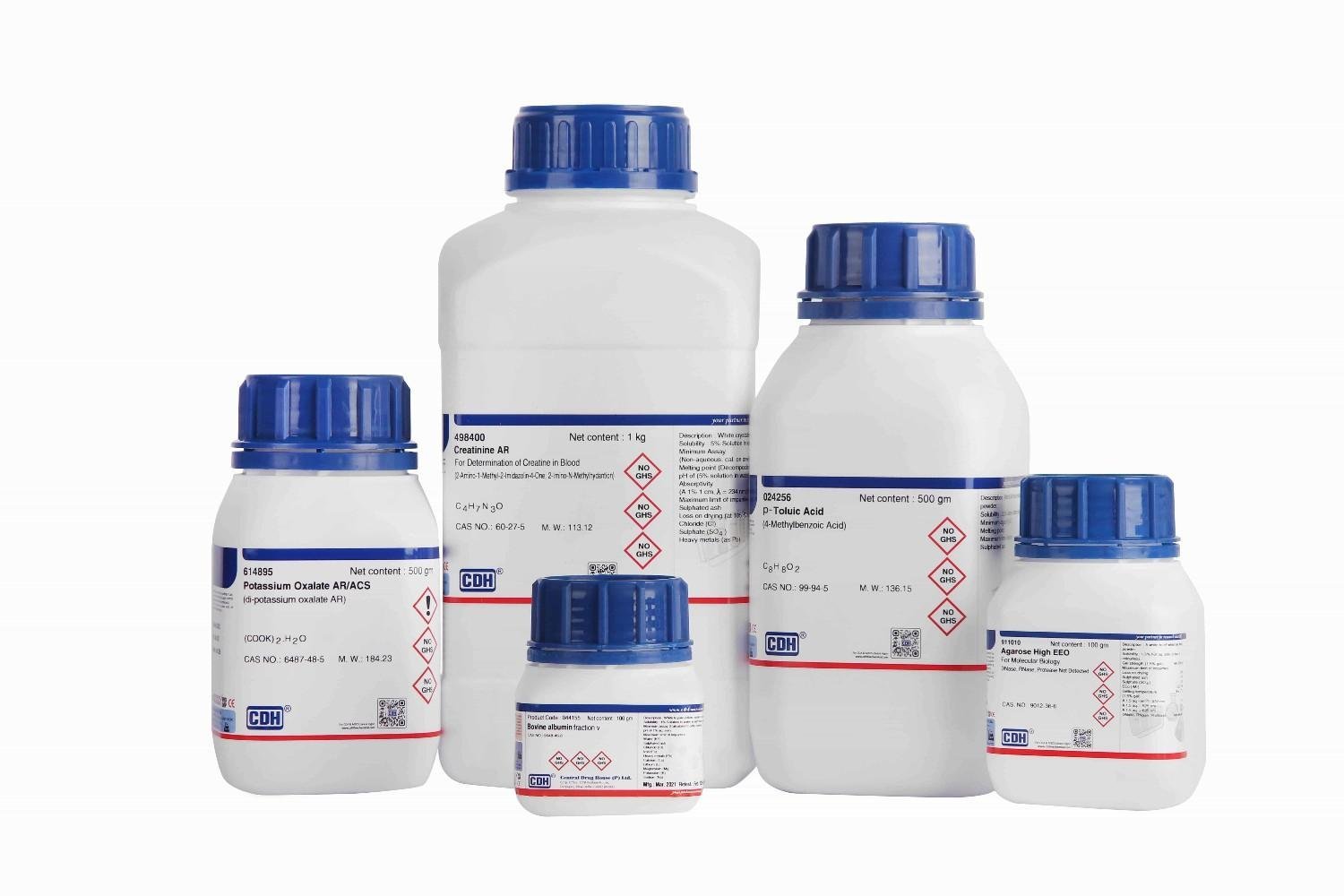
Description
Specifications Table
Product Name – Tryptone for Bacteriology
Quantity/Pack Size – 500 gm
Form – Powder
Grade – Bacteriological
Application – Microbial culture media preparation
Product Overview
eqipped’s Tryptone for Bacteriology is a premium-quality peptone derived from enzymatic digestion of casein, specifically formulated to support the growth of a wide range of microorganisms. This high-purity tryptone is designed to meet the stringent requirements of bacteriological applications, providing essential nutrients for microbial cultures. Its consistent composition ensures reliable performance in various culture media formulations, making it an indispensable component for researchers and educators. The product undergoes rigorous quality control measures to guarantee purity, solubility, and batch-to-batch consistency. Whether used in academic institutions or professional laboratories, this tryptone delivers dependable results, supporting the cultivation of bacteria and other microorganisms with optimal growth conditions. Its fine powder form ensures easy dispersion in media preparation, while its bacteriological grade certification assures compliance with industry standards.
FAQs
1. What is the primary use of tryptone in bacteriology?
Tryptone serves as a key nutrient source in culture media, providing amino acids and peptides essential for microbial growth and metabolism.
2. Is this tryptone suitable for anaerobic bacterial cultures?
Yes, this tryptone can be used in media formulations for both aerobic and anaerobic bacterial cultures, depending on the specific requirements.
3. How should tryptone be stored to maintain its quality?
Store tryptone in a cool, dry place away from direct sunlight and moisture to prevent clumping and degradation.
4. Can tryptone be used in plant tissue culture media?
While primarily designed for bacteriology, tryptone may be used in some plant tissue culture applications, but it is not the standard choice for such media.
5. What is the shelf life of tryptone for bacteriology?
The shelf life is typically 2-3 years from the date of manufacture when stored properly in its original packaging.