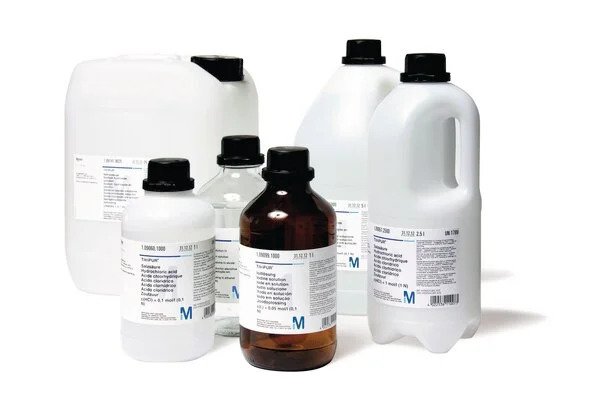
Description
Specifications Table
| Product Name | Tube Va/Ptfe, 80cm, Con-Nip |
|---|---|
| Quantity/Pack Size | 1 Unit |
| Form | Tubing |
| Grade | Laboratory Grade |
| Application | Chemical transfer, high-purity lab use |
Product Description
When precision and chemical resistance matter, this PTFE tube with nipple from Merck delivers unmatched performance. Designed for laboratory applications where contamination is a concern, the 80cm length provides flexibility for various setups. The integrated nipple ensures secure connections, making it ideal for fluid transfer in sensitive experiments.
PTFE (Polytetrafluoroethylene) is renowned for its inertness, making this tubing perfect for handling corrosive chemicals, solvents, and high-purity liquids. Whether you’re setting up a chromatography system or need reliable tubing for a research project, this product offers durability without compromising purity.
At eqipped, we understand the demands of modern labs. That’s why we stock only trusted brands like Merck, ensuring you get supplies that meet rigorous standards. This PTFE tubing is no exception—engineered for consistency and longevity in demanding environments.
Upgrade your lab setup with chemical-resistant PTFE tubing. Order now for seamless fluid handling.
FAQs
What makes PTFE tubing better than silicone for lab use?
PTFE offers superior chemical resistance and doesn’t leach contaminants, making it ideal for sensitive applications where silicone might degrade.
Can this tubing handle high temperatures?
Yes, PTFE maintains integrity up to 260°C, making it suitable for most lab heating applications.
Is the nipple connection compatible with standard lab fittings?
Absolutely. The design follows industry standards for easy integration with common lab equipment.
How do I clean this PTFE tubing?
Rinse with compatible solvents or distilled water. Avoid abrasive cleaners that could damage the surface.
Does eqipped offer bulk discounts on this product?
Yes, contact our team for volume pricing on lab supplies to support your research needs.