Description
Specifications Table
| Product Name | Velocity of Ultrasonic Waves in Kerosene Oil (Complete Setup) | AE 464 | ASICO |
|---|---|
| Quantity/Pack Size | N/A |
| Form | Complete Experimental Setup |
| Grade | Laboratory/Educational |
| Application | Physics labs, educational institutions, research on wave propagation |
Product Description
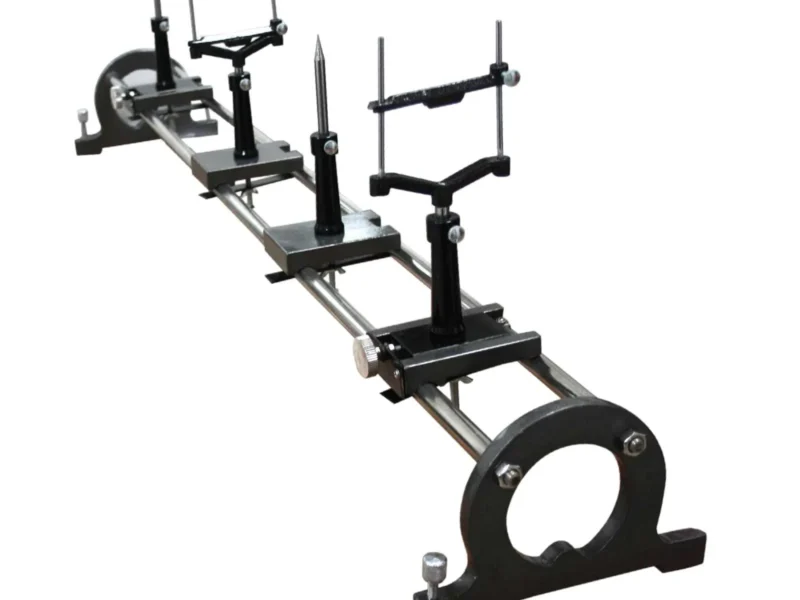
Understanding the velocity of ultrasonic waves in different mediums is a fundamental concept in physics and engineering. The Velocity of Ultrasonic Waves in Kerosene Oil (Complete Setup) | AE 464 | ASICO is a precision-designed experiment kit that allows students, researchers, and educators to accurately measure how ultrasonic waves travel through kerosene oil. This setup is essential for studying wave propagation, acoustic properties, and fluid dynamics in a controlled laboratory environment.
Whether you’re conducting a college physics experiment, setting up a research project, or demonstrating wave behavior in an educational setting, this complete setup provides everything you need. The apparatus is built to deliver consistent and reliable results, making it a trusted choice for institutions across India. With eqipped, you get access to high-quality lab equipment that meets academic and research standards.
How Does the Ultrasonic Wave Velocity Setup Work?
This experiment kit operates on the principle of measuring the time taken for ultrasonic waves to travel through a known distance in kerosene oil. The setup typically includes:
- A signal generator to produce ultrasonic waves
- Transducers (transmitter and receiver) for wave transmission and detection
- A measuring tank filled with kerosene oil
- An oscilloscope or digital display for time measurement
- Supporting stands and connectors for stable setup
By adjusting the distance between the transducers and recording the time delay, users can calculate the velocity of ultrasonic waves in kerosene oil using the formula:
Velocity (v) = Distance (d) / Time (t)
This hands-on approach helps reinforce theoretical concepts while developing practical lab skills. The setup is user-friendly, making it suitable for both beginners and advanced users.
Key Applications of This Experiment Kit
This ultrasonic wave velocity setup is widely used in:
- Educational Labs: Ideal for physics practicals in schools, colleges, and universities to demonstrate wave propagation.
- Research Projects: Used in acoustic research, fluid dynamics studies, and material property analysis.
- Industrial Training: Helps trainees understand ultrasonic testing methods used in non-destructive testing (NDT).
- Quality Control: Useful in industries where ultrasonic wave behavior in liquids needs to be analyzed.
With its versatile applications, this setup is a valuable addition to any physics or engineering laboratory. If you’re looking to buy an ultrasonic wave velocity experiment kit online, eqipped offers a reliable and high-performance solution.
Why Measure Ultrasonic Wave Velocity in Kerosene Oil?
Kerosene oil is a commonly used liquid in experiments due to its stable acoustic properties. Measuring ultrasonic wave velocity in kerosene oil helps in:
- Understanding the relationship between wave frequency, wavelength, and velocity.
- Studying how temperature and density affect wave propagation.
- Comparing wave behavior in different liquids (e.g., water vs. kerosene oil).
- Calibrating ultrasonic sensors for industrial applications.
This experiment bridges the gap between theory and real-world applications, making it a must-have for any physics lab. For those searching for a velocity of ultrasonic waves lab setup, this kit provides accurate and repeatable results.
Setting Up the Experiment: A Step-by-Step Guide
To ensure accurate measurements, follow these steps when using the ultrasonic wave velocity setup:
- Prepare the Setup: Place the measuring tank on a stable surface and fill it with kerosene oil up to the marked level.
- Position the Transducers: Fix the transmitter and receiver transducers at a known distance apart. Ensure they are aligned properly.
- Connect the Equipment: Link the signal generator to the transmitter and the oscilloscope to the receiver.
- Generate Ultrasonic Waves: Turn on the signal generator to produce ultrasonic waves.
- Measure Time Delay: Observe the time taken for the wave to travel from the transmitter to the receiver on the oscilloscope.
- Calculate Velocity: Use the recorded time and distance to compute the wave velocity.
- Repeat for Accuracy: Take multiple readings and average them for precise results.
This structured approach ensures that students and researchers can conduct the experiment efficiently. If you’re looking to buy an ultrasonic wave velocity apparatus in India, this setup is designed for ease of use and accuracy.
Safety and Maintenance Tips
While this experiment is generally safe, following these guidelines ensures longevity and accuracy:
- Handle kerosene oil carefully to avoid spills. Use in a well-ventilated area.
- Clean the transducers and tank after each use to prevent residue buildup.
- Store the setup in a dry place to avoid corrosion or damage to electronic components.
- Calibrate the equipment periodically for consistent performance.
Proper maintenance extends the life of your ultrasonic wave velocity setup, ensuring reliable results every time. For those searching for a kerosene oil ultrasonic wave setup price, eqipped offers competitive pricing without compromising on quality.
Common Challenges and Troubleshooting
Users may encounter minor issues during the experiment. Here’s how to address them:
- No Signal Detection: Check transducer alignment and connections. Ensure the signal generator is functioning.
- Inconsistent Readings: Verify the kerosene oil level and temperature. External vibrations can also affect results.
- Weak Wave Transmission: Clean the transducers and ensure the oil is free from impurities.
If problems persist, refer to the user manual or contact eqipped’s support team for assistance. We’re here to help you get the most out of your lab equipment.
Comparing Ultrasonic Wave Velocity in Different Liquids
This experiment can be extended to compare wave velocity in various liquids, such as water, glycerin, or alcohol. Factors affecting velocity include:
- Density: Denser liquids generally slow down ultrasonic waves.
- Temperature: Higher temperatures can alter wave speed.
- Viscosity: More viscous liquids may absorb more wave energy.
By experimenting with different liquids, users gain a deeper understanding of acoustic properties. This makes the ultrasonic wave velocity experiment kit a versatile tool for advanced studies.
Where to Buy Ultrasonic Wave Velocity Setup in India
If you’re looking to purchase a high-quality ultrasonic wave velocity apparatus, eqipped is your trusted online destination. We offer:
- Genuine ASICO-certified products.
- Competitive pricing and secure payment options.
- Fast delivery across India.
- Dedicated customer support for setup and troubleshooting.
Ready to enhance your lab experiments? Buy the ultrasonic wave velocity setup for kerosene oil online today and experience precision in every measurement.
FAQs
What is the purpose of measuring ultrasonic wave velocity in kerosene oil?
Measuring ultrasonic wave velocity helps in studying wave propagation, acoustic properties, and fluid dynamics. It’s essential for physics education, research, and industrial applications like ultrasonic testing.
Is this setup suitable for school-level experiments?
Yes, this complete setup is designed for educational use, making it ideal for high school and college physics labs. It’s user-friendly and comes with clear instructions.
Can I use this kit for liquids other than kerosene oil?
While optimized for kerosene oil, the setup can be adapted for other liquids like water or glycerin by adjusting the transducers and recalibrating the measurements.
What accessories are included in the complete setup?
The kit typically includes a signal generator, transducers, measuring tank, stands, and connecting cables. Some versions may also include an oscilloscope or digital display.
How do I maintain the ultrasonic wave velocity setup?
Clean the transducers and tank after each use, store the equipment in a dry place, and calibrate it periodically. Avoid exposing the setup to extreme temperatures or humidity.