Description
Specifications Table
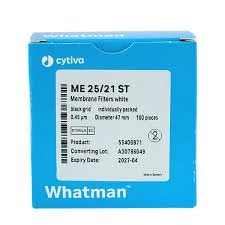
| Product Name | Whatman ME25/21 ST Membrane Filter |
|---|---|
| Pack Size | 47MM, 0.8uM (Pack of 1000) – 50MM, 0.8uM (Pack of 100) – 47MM, 0.8uM (Pack of 100) |
| Form | Membrane Disc |
| Grade | ME25/21 ST (Sterile) |
| Application | Microbiological analysis, particle filtration, sterile liquid testing |
Product Description
When precision matters in your lab, the Whatman ME25/21 ST membrane filter delivers consistent performance for critical filtration tasks. Designed with a 0.8µm pore size, these sterile filters are engineered to trap microorganisms and particles while allowing clear filtrate passage. Whether you’re working in microbiology, environmental testing, or pharmaceutical quality control, this filter ensures reliable results every time.
The ME25/21 ST variant comes pre-sterilized, saving you time and reducing contamination risks in sensitive applications. Its mixed cellulose ester composition provides excellent chemical compatibility with most aqueous solutions and organic solvents. Researchers across India trust Whatman filters for their durability and consistent flow rates, making them a staple in academic and industrial labs alike.
For labs processing high sample volumes, the bulk pack options (100 or 1000 filters) offer cost-effective solutions without compromising quality. The 47mm and 50mm diameters fit standard filtration setups, ensuring seamless integration with your existing equipment. When you buy Whatman membrane filters online from eqipped, you get authentic products with fast delivery to keep your research on schedule.
Upgrade your lab’s filtration standards today – order Whatman ME25/21 ST filters and experience the difference in performance.
FAQs
What’s the difference between ME25 and ME25/21 ST filters?
The ME25/21 ST version comes pre-sterilized, while standard ME25 filters require autoclaving before use. Both share the same 0.8µm pore size and material composition.
Can these filters be autoclaved?
While pre-sterilized filters don’t require autoclaving, they can withstand standard autoclave cycles (121°C for 15 minutes) if needed for specific protocols.
What’s the maximum pressure these filters can handle?
They’re designed for standard vacuum filtration (up to 700 mmHg) and can handle moderate positive pressure in syringe filter applications.
Are these filters suitable for protein binding studies?
No, for protein work we recommend low-protein-binding membranes like PVDF. These cellulose ester filters may bind proteins nonspecifically.
How should I dispose of used filters?
Follow your lab’s biohazard waste protocols. Used filters should be autoclaved or chemically disinfected before disposal if they’ve been in contact with hazardous materials.