





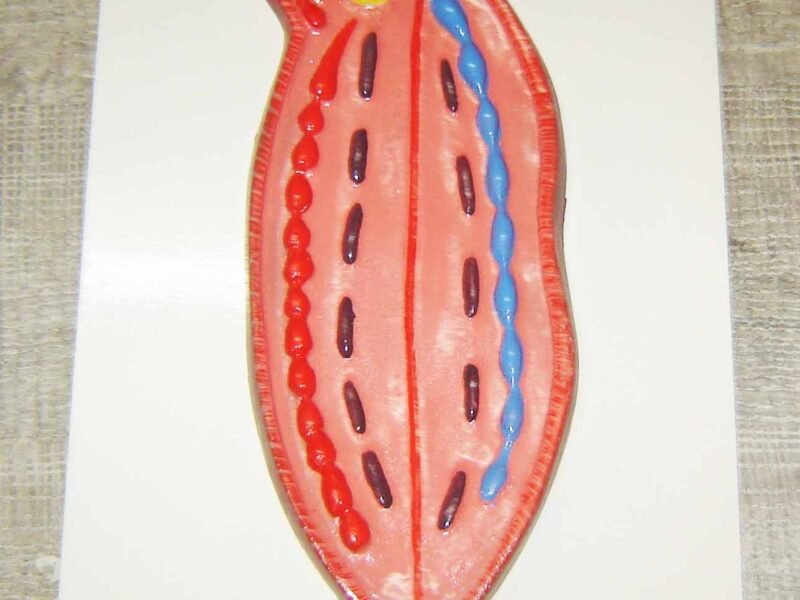

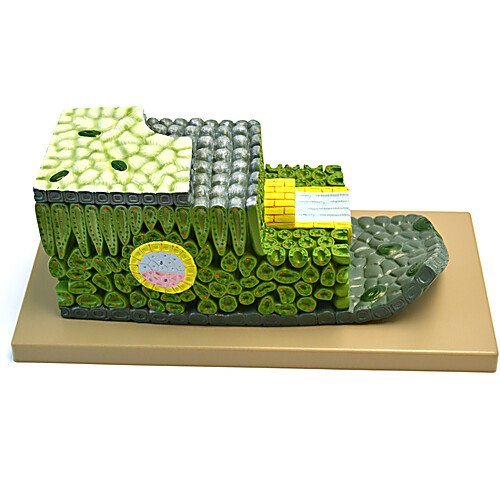
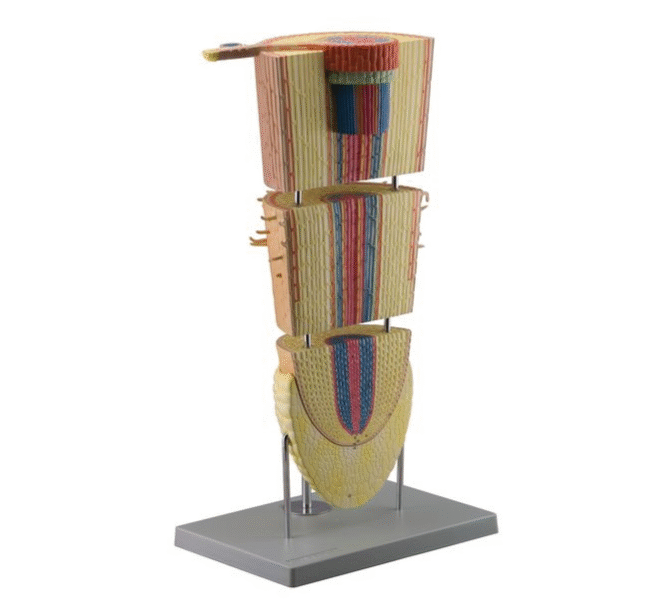
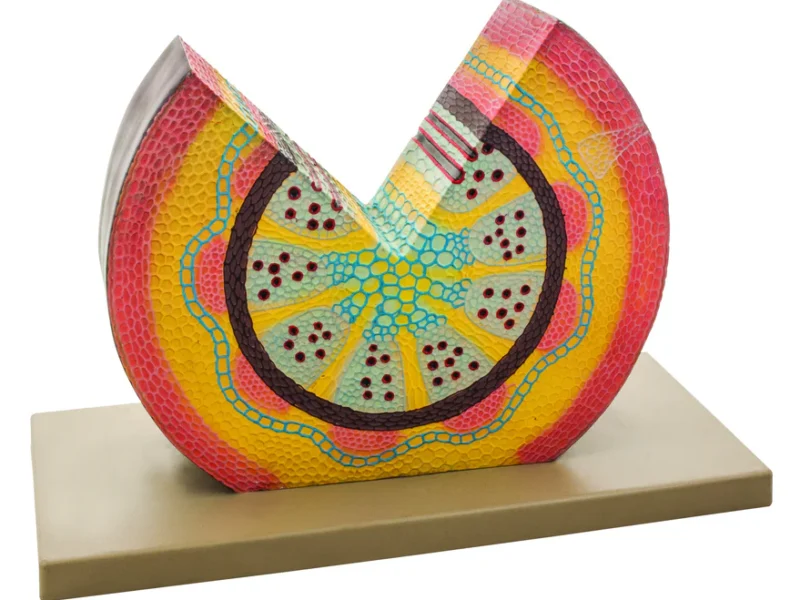




Buying a laboratory model involves choosing between 2D and 3D options, picking the right subject, format, size, level of detail, and durability for the intended learning environment. From anatomical and biology models to chemistry structures and physics demonstrations, science models provide students with a visual and practical way to understand complex concepts. eqipped connects schools, colleges, universities, and research institutes with trusted Bulk laboratory model suppliers across India, making it convenient to buy laboratory models online for teaching, demonstration, academic projects, and research applications.
A quality laboratory model should be accurate, durable, and suitable for repeated use in classrooms, practical sessions, and demonstrations. Working with established laboratory model suppliers can help institutions select products according to their subject, student level, and teaching requirements.
eqipped’s catalog includes models from recognized brands. Buyers can explore different types of science models for biology, chemistry, physics, anatomy, and other educational applications.
Whether a school requires a single laboratory model for a classroom demonstration or a complete set of models for a science department, eqipped supports both individual and bulk purchasing requirements.
The category includes a range of science models, anatomical models, structural models, and demonstration products designed for different educational and laboratory requirements.
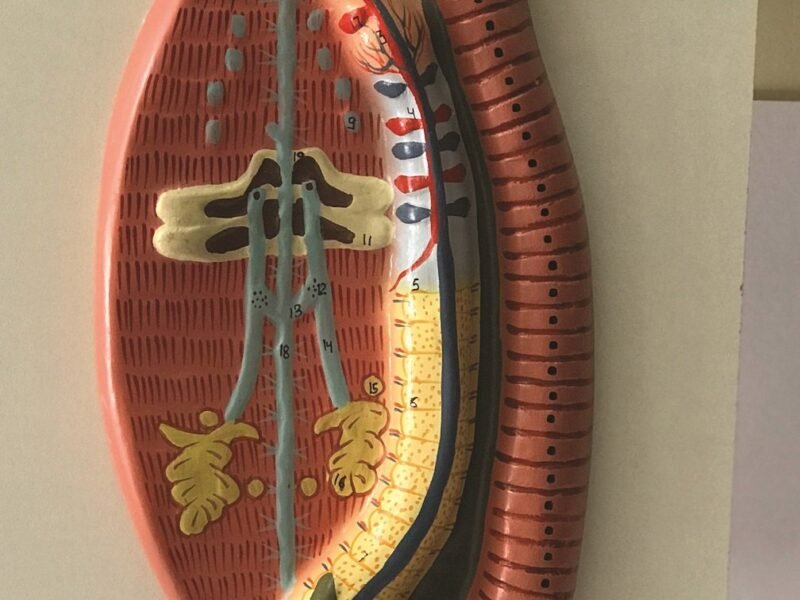
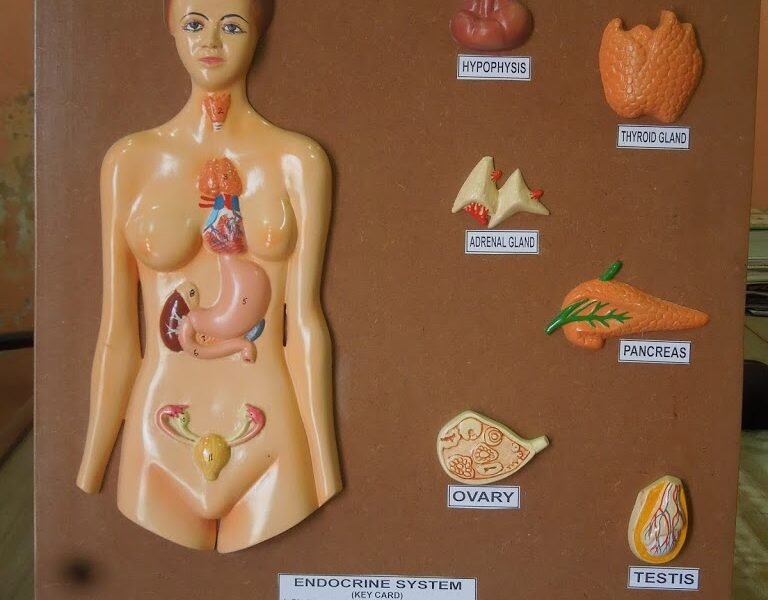
These science models can support biology, chemistry, and physics education by turning theoretical concepts into visual and hands-on learning experiences. Depending on the subject, institutions may select a basic teaching model, a detailed anatomical model, or a science working model that demonstrates a particular process or principle.
The right laboratory model depends on the subject, student age group, curriculum, and intended use. Before ordering, buyers should consider:
For younger students and basic classroom demonstrations, simple and easy-to-understand science models may be suitable. Advanced biology and anatomy courses may require more detailed 3D models that show structures from different angles.
A science working model can be particularly useful when the purpose is to demonstrate movement, mechanisms, electrical principles, or other processes rather than simply display a structure.
A laboratory 3d model gives students a physical representation of an object, structure, or system that may be difficult to understand through textbooks or two-dimensional illustrations alone. Three-dimensional models can be examined from multiple angles and can make complex structures easier to visualize.
Common examples include:
A laboratory 3d model can be useful for classroom demonstrations, practical teaching, science exhibitions, academic projects, and laboratory instruction. The appropriate model depends on the subject and the level of detail required.
eqipped serves a wide range of educational and institutional buyers looking for reliable laboratory model suppliers, including:
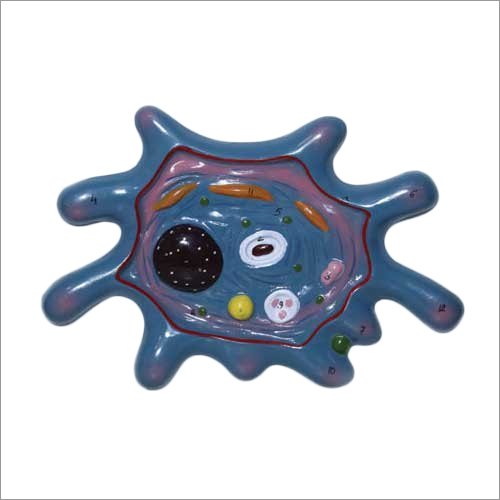
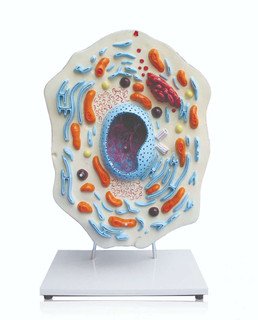
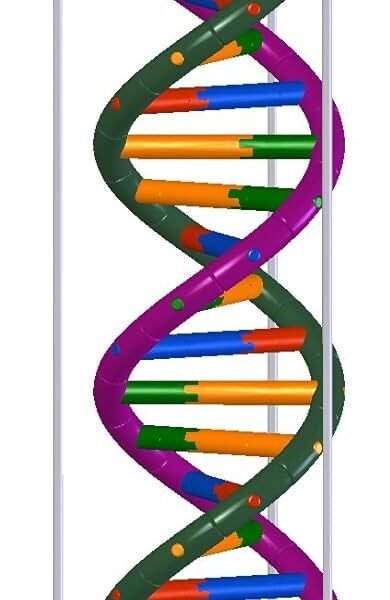
Schools often purchase science models for classroom teaching and practical demonstrations. Common requirements include human anatomy, cells, DNA, digestive system, and basic physics models.
Colleges, universities, and research institutes may require more detailed or subject-specific models for advanced teaching, laboratory demonstrations, and academic training.
Two-dimensional representations such as diagrams, charts, and posters provide a flat visual reference. They are useful for quick explanations but may not show the depth, shape, or spatial relationship between different parts of a structure.
A laboratory 3d model, in contrast, provides a physical representation that can be viewed from different angles. Anatomical models, molecular structures, skeletons, and other 3D science models can help students develop a clearer understanding of complex structures.
Most science departments benefit from using both formats. 2D materials can provide quick visual references, while 3D models offer a more detailed and hands-on learning experience.
eqipped works with bulk laboratory model suppliers to support schools, colleges, universities, research institutes, and other educational organizations with larger or recurring requirements.
Bulk requirements may include:
Institutions setting up a new science laboratory or preparing for a new academic year can provide the required model types, quantities, preferred brands, and delivery details to the eqipped support team. This helps buyers discuss bulk pricing, availability, and delivery requirements.
Selecting suitable laboratory model suppliers is important for institutions that require models regularly. Schools and colleges may need multiple models across biology, chemistry, physics, and anatomy, making supplier selection an important part of laboratory procurement.
eqipped provides access to different science models and educational products from recognized laboratory brands. Buyers can compare products according to subject, model type, size, material, and intended application.
For institutions purchasing multiple products, checking specifications and quantities in advance can make procurement easier and help ensure that the selected laboratory models are appropriate for the intended curriculum.
Explore the laboratory models category and select products based on subject, model type, format, size, and intended application. Related laboratory categories are also available:
Check the product description for important information such as model type, subject, dimensions, material, components, and other specifications before ordering.
For bulk laboratory model requirements or institutional purchases, provide eqipped with the required models, quantities, preferred brands, and delivery details. The support team can assist with suitable products and bulk purchasing requirements.
The support team helps confirm availability, pricing, and any documentation needed for larger or institutional orders.
Once the product, quantity, pricing, and delivery details are confirmed, the order can proceed.
Proper storage and handling can help extend the useful life of a laboratory model, particularly when products are frequently handled by students.
Recommended practices include:
Proper organization is particularly useful in schools and laboratories where multiple science models are used throughout the academic year.
eqipped provides access to a range of educational laboratory models for schools, colleges, universities, research institutes, and other learning environments.
Key benefits include:
For buyers comparing laboratory model suppliers, eqipped provides a convenient platform for exploring different products and selecting models based on educational and laboratory requirements.
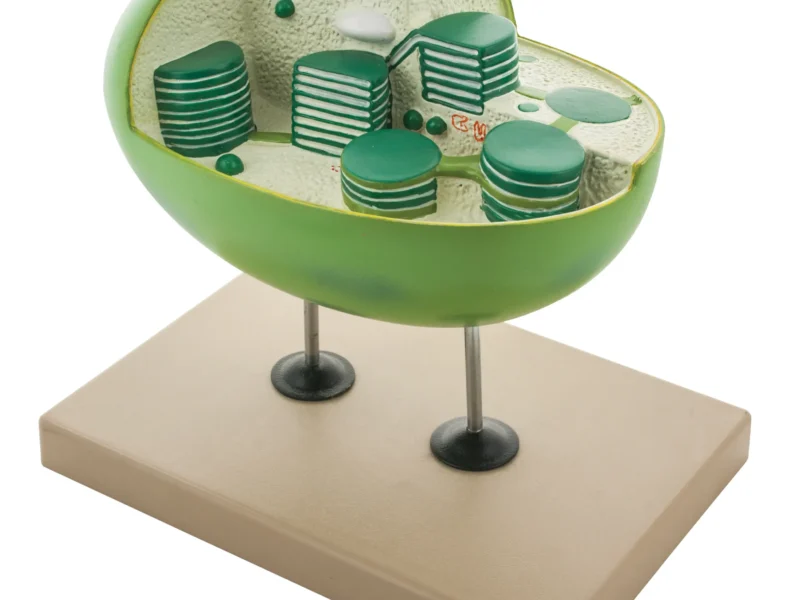
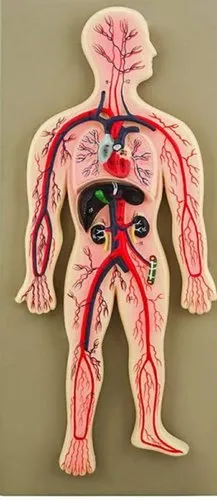
Common science models include human skeletons, hearts, brains, torsos, digestive systems, plant and animal cells, DNA structures, molecular models, and physics working models. The appropriate laboratory model depends on the subject and learning objective.
Laboratory models provide visual and physical representations of structures, systems, and concepts that may be difficult to understand through text or diagrams alone. They can support classroom demonstrations, practical lessons, academic projects, and hands-on learning.
A science working model demonstrates a process, mechanism, movement, or scientific principle rather than simply representing a structure. Physics and electrical demonstration models are common examples.
A laboratory 3d model is a physical three-dimensional representation of a biological structure, molecular structure, anatomical system, or scientific concept. It allows students to examine the model from multiple angles and can support hands-on learning.
Yes. eqipped supports bulk requirements for schools, colleges, universities, research institutes, and other educational organizations. Buyers can provide the required laboratory model types and quantities to discuss institutional purchasing options.
Yes. The category includes science models covering subjects such as biology, anatomy, chemistry, and physics. Buyers can select models according to their curriculum, student level, and intended teaching application.
Buying a laboratory model involves choosing between 2D and 3D options, picking the right subject, format, size, level of detail, and durability for the intended learning environment. From anatomical and biology models to chemistry structures and physics demonstrations, science models provide students with a visual and practical way to understand complex concepts. eqipped connects schools, colleges, universities, and research institutes with trusted Bulk laboratory model suppliers across India, making it convenient to buy laboratory models online for teaching, demonstration, academic projects, and research applications.
A quality laboratory model should be accurate, durable, and suitable for repeated use in classrooms, practical sessions, and demonstrations. Working with established laboratory model suppliers can help institutions select products according to their subject, student level, and teaching requirements.
eqipped’s catalog includes models from recognized brands. Buyers can explore different types of science models for biology, chemistry, physics, anatomy, and other educational applications.
Whether a school requires a single laboratory model for a classroom demonstration or a complete set of models for a science department, eqipped supports both individual and bulk purchasing requirements.
The category includes a range of science models, anatomical models, structural models, and demonstration products designed for different educational and laboratory requirements.
These science models can support biology, chemistry, and physics education by turning theoretical concepts into visual and hands-on learning experiences. Depending on the subject, institutions may select a basic teaching model, a detailed anatomical model, or a science working model that demonstrates a particular process or principle.
The right laboratory model depends on the subject, student age group, curriculum, and intended use. Before ordering, buyers should consider:
For younger students and basic classroom demonstrations, simple and easy-to-understand science models may be suitable. Advanced biology and anatomy courses may require more detailed 3D models that show structures from different angles.
A science working model can be particularly useful when the purpose is to demonstrate movement, mechanisms, electrical principles, or other processes rather than simply display a structure.
A laboratory 3d model gives students a physical representation of an object, structure, or system that may be difficult to understand through textbooks or two-dimensional illustrations alone. Three-dimensional models can be examined from multiple angles and can make complex structures easier to visualize.
Common examples include:
A laboratory 3d model can be useful for classroom demonstrations, practical teaching, science exhibitions, academic projects, and laboratory instruction. The appropriate model depends on the subject and the level of detail required.
eqipped serves a wide range of educational and institutional buyers looking for reliable laboratory model suppliers, including:
Schools often purchase science models for classroom teaching and practical demonstrations. Common requirements include human anatomy, cells, DNA, digestive system, and basic physics models.
Colleges, universities, and research institutes may require more detailed or subject-specific models for advanced teaching, laboratory demonstrations, and academic training.
Two-dimensional representations such as diagrams, charts, and posters provide a flat visual reference. They are useful for quick explanations but may not show the depth, shape, or spatial relationship between different parts of a structure.
A laboratory 3d model, in contrast, provides a physical representation that can be viewed from different angles. Anatomical models, molecular structures, skeletons, and other 3D science models can help students develop a clearer understanding of complex structures.
Most science departments benefit from using both formats. 2D materials can provide quick visual references, while 3D models offer a more detailed and hands-on learning experience.
eqipped works with bulk laboratory model suppliers to support schools, colleges, universities, research institutes, and other educational organizations with larger or recurring requirements.
Bulk requirements may include:
Institutions setting up a new science laboratory or preparing for a new academic year can provide the required model types, quantities, preferred brands, and delivery details to the eqipped support team. This helps buyers discuss bulk pricing, availability, and delivery requirements.
Selecting suitable laboratory model suppliers is important for institutions that require models regularly. Schools and colleges may need multiple models across biology, chemistry, physics, and anatomy, making supplier selection an important part of laboratory procurement.
eqipped provides access to different science models and educational products from recognized laboratory brands. Buyers can compare products according to subject, model type, size, material, and intended application.
For institutions purchasing multiple products, checking specifications and quantities in advance can make procurement easier and help ensure that the selected laboratory models are appropriate for the intended curriculum.
Explore the laboratory models category and select products based on subject, model type, format, size, and intended application. Related laboratory categories are also available:
Check the product description for important information such as model type, subject, dimensions, material, components, and other specifications before ordering.
For bulk laboratory model requirements or institutional purchases, provide eqipped with the required models, quantities, preferred brands, and delivery details. The support team can assist with suitable products and bulk purchasing requirements.
The support team helps confirm availability, pricing, and any documentation needed for larger or institutional orders.
Once the product, quantity, pricing, and delivery details are confirmed, the order can proceed.
Proper storage and handling can help extend the useful life of a laboratory model, particularly when products are frequently handled by students.
Recommended practices include:
Proper organization is particularly useful in schools and laboratories where multiple science models are used throughout the academic year.
eqipped provides access to a range of educational laboratory models for schools, colleges, universities, research institutes, and other learning environments.
Key benefits include:
For buyers comparing laboratory model suppliers, eqipped provides a convenient platform for exploring different products and selecting models based on educational and laboratory requirements.
Common science models include human skeletons, hearts, brains, torsos, digestive systems, plant and animal cells, DNA structures, molecular models, and physics working models. The appropriate laboratory model depends on the subject and learning objective.
Laboratory models provide visual and physical representations of structures, systems, and concepts that may be difficult to understand through text or diagrams alone. They can support classroom demonstrations, practical lessons, academic projects, and hands-on learning.
A science working model demonstrates a process, mechanism, movement, or scientific principle rather than simply representing a structure. Physics and electrical demonstration models are common examples.
A laboratory 3d model is a physical three-dimensional representation of a biological structure, molecular structure, anatomical system, or scientific concept. It allows students to examine the model from multiple angles and can support hands-on learning.
Yes. eqipped supports bulk requirements for schools, colleges, universities, research institutes, and other educational organizations. Buyers can provide the required laboratory model types and quantities to discuss institutional purchasing options.
Yes. The category includes science models covering subjects such as biology, anatomy, chemistry, and physics. Buyers can select models according to their curriculum, student level, and intended teaching application.
By Clicking “Download Now”, you are confirming that you have read and agree to eqipped.com ‘s Terms of Use and Privacy Policy.